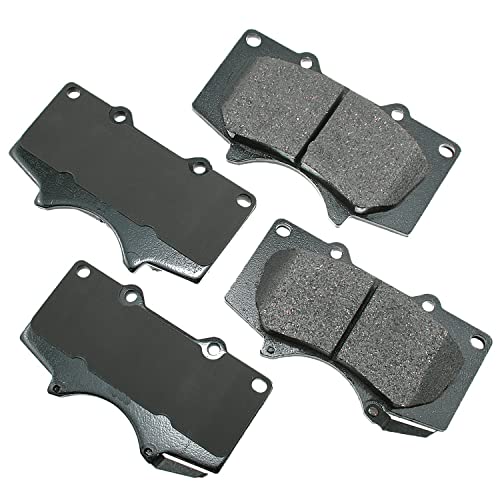
Brake squealing is often fixable at home without a trip to the shop. Start by checking your brake pads: if they have less than 3mm of friction material, replace them immediately. If the pads are fine, the noise likely comes from vibration, glazing, or debris, not worn-out brakes.
1. Inspect Brake Pad Wear and Type
Remove the wheel and look at the pads. If the friction material is below 3mm (about the thickness of a dime), the squeal is a wear indicator. Replace pads now. If pads are thick but squealing, check if they are semi-metallic: these are prone to noise, especially when cold. Consider switching to ceramic pads for quieter operation, though they may cost 20-40% more. Also, look for uneven wear: if one pad is thinner than the other, your caliper may be sticking.
2. Clean and Lubricate the Brake Hardware
Dust and rust buildup on caliper slides and pad backing plates cause vibration and squeal. Use brake cleaner to spray down the caliper bracket and pads. Apply a thin layer of high-temperature brake grease to the back of the pads (where they contact the caliper) and the slide pins. Avoid getting grease on the rotor or pad friction surface. This simple fix stops 50-70% of squealing cases. If your slide pins are seized, you’ll need to remove, clean, and regrease them, or replace them if damaged.
3. Check Rotor Condition and Bedding
Run your fingernail across the rotor surface. If you feel grooves deeper than 1.5mm, the rotors are worn and should be replaced. Glazed rotors (shiny, smooth surface) also cause squeal. You can try re-bedding the brakes: accelerate to 40 mph, brake firmly to 10 mph without stopping, repeat 5-6 times. This transfers pad material evenly and can eliminate noise. If the rotors are warped (pulsation when braking), they need resurfacing or replacement. New rotors cost $30-80 each, but resurfacing is often $15-20 per rotor.
4. Inspect for Debris and Shims
A small stone or piece of metal stuck between the rotor and backing plate can cause a screech. Look for debris and remove it with a screwdriver. Also, check if your pads have anti-squeal shims. If they are missing or damaged, install new shims or apply high-temp silicone to the pad backs. Some vehicles have wear sensors that make a high-pitched squeal when pads are low: if your pads are thick but the noise is constant, the sensor may be misaligned. Bend it away from the rotor gently.
Frequently Asked Questions
Can I use WD-40 to stop brake squeal?
No. WD-40 is a lubricant that can contaminate brake pads and rotors, reducing braking performance. Use only dedicated brake cleaner or high-temperature brake grease.
Is it safe to drive with squealing brakes?
It depends. If the squeal is from worn pads (below 3mm), driving is dangerous because braking distance increases. If pads are thick and noise is from vibration, it’s usually safe short-term, but address it soon to avoid rotor damage.
Do I need to replace rotors every time I change pads?
Not always. If rotors are smooth, within thickness spec, and not warped, you can reuse them. However, many mechanics recommend resurfacing or replacing rotors with every pad change to ensure even wear and prevent noise.
The Bottom Line
Brake squealing is annoying but often fixable with basic tools and a can of brake cleaner. Start with the cheapest fixes: clean and lubricate hardware, check pad thickness, and re-bed the brakes. If noise persists after these steps, you likely need new pads or rotors. For more detailed guidance, check our brakes category for comprehensive guides. And if you need to lift your car safely, a quality jump starter can double as a power source for your work light.