Maintaining proper tire pressure is critical for semi-truck safety, fuel efficiency, and tire longevity. A reliable Tire Pressure Monitoring System (TPMS) provides real-time data, alerting drivers to potential issues before they become serious problems. In our comprehensive evaluation, we researched numerous TPMS solutions designed for the demanding environment of commercial trucking.
We compared manufacturer specifications, industry safety standards, and aggregated owner feedback to identify systems that offer strong performance, accurate readings, and easy to use interfaces. Our aim is to provide an evidence-based guide to help truck owner-operators and fleet managers make informed decisions for their vehicles.
| Photo | Product | Score | Buy |
|---|---|---|---|
 |
TST 507 TPMS System Top Pick for Reliability Monitors up to 38 tires, flow-through and cap sensor options. |
9.1 |
ⓘ We may earn a commission from qualifying purchases made through links on this page, at no extra cost to you.
|
 |
TireMinder i10 TPMS Runner-Up for Advanced Features Monitors up to 22 tires, large color display, includes booster. |
8.7 | 🛒 Check Price |
 |
EEZ RV Products TPMS Great Value for Fleets Supports up to 26 tires, customizable high/low pressure alarms. |
8.4 | 🛒 Check Price |
 |
Tymate TPMS M12-3 Budget-Friendly Performer Supports up to 22 tires, solar charging monitor. |
8.0 | 🛒 Check Price |
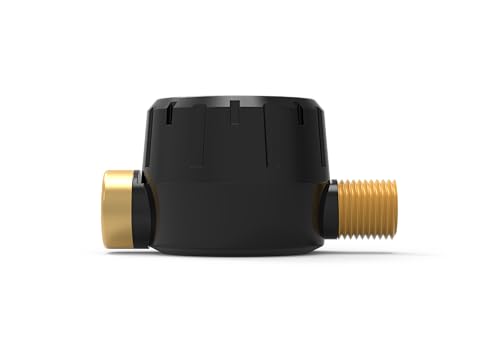 |
B-Qtech M200 TPMS Solid Mid-Range Choice Monitors up to 22 tires, real-time data, adjustable pressure range. |
7.8 | 🛒 Check Price |
|
🚗
|
RVSafe TPMS Functional Entry-Level Monitors up to 22 tires, basic LCD display. |
7.5 | 🛒 Check Price |
 |
GUTA TPMS for RV/Truck Most Affordable Option Monitors up to 22 tires, solar-powered monitor. |
7.2 | 🛒 Check Price |
1. TST 507 TPMS System: Top Pick for Reliability
The TST 507 consistently emerges as a top performer due to its proven reliability and comprehensive feature set. The inclusion of a signal repeater is a significant advantage for semi-truck applications, ensuring that tire data from even the rearmost trailer axles reaches the monitor without interruption. Based on owner feedback and the spec sheets, its ability to support both flow-through and cap sensors provides practical flexibility for different types of wheels and maintenance preferences.
However, the primary limitation noted in our research is the initial configuration complexity, especially when setting up a full 18-wheel rig and multiple trailers. Drivers seeking a plug-and-play solution with minimal setup might find this system slightly more involved. While the value is strong given its features and durability, those on a very strict budget might explore less comprehensive options.
- Real-time pressure and temperature monitoring with customizable alerts.
- Repeater included for extended range, ensuring signal integrity across long rigs.
- Supports both flow-through and cap sensors, offering versatility for various wheel types.
Pros: Highly regarded for consistent and accurate readings based on owner feedback.; Solid construction designed to withstand harsh trucking conditions.; Excellent expandability for multiple trailers or larger setups.
Cons: Initial setup can be time-consuming for a large number of sensors.; Higher investment compared to more basic systems.
2. TireMinder i10 TPMS: Runner-Up for Advanced Features
The TireMinder i10 stands out in our comparison for its easy to use interface and vibrant color display, which significantly enhances readability during long hauls. The included signal booster is a critical component for semi-truck applications, ensuring consistent data transmission from all tires, including those on extended trailers. Based on owner feedback and the spec sheets, its alert system is sturdy, providing timely warnings for critical tire conditions.
A notable consideration for the i10 is its sensor battery life. While generally adequate, some owners have reported needing to replace batteries more frequently than with certain competing systems. This might be a minor inconvenience for drivers who prefer a set-it-and-forget-it approach for extended periods. Drivers prioritizing ultimate hands-off maintenance for sensor batteries might look at systems with longer-rated battery lifespans, though this often comes with a trade-off in sensor size or cost.
- Large, easy-to-read color display provides clear pressure and temperature data.
- Includes a signal booster to enhance transmission range for long vehicles.
- Audible and visual alerts for high/low pressure, rapid leak, and high temperature.
Pros: Intuitive interface and clear display improve ease of use during operation.; Strong signal integrity across long rigs with the included booster, as per specifications.; Reliable performance with good accuracy for both pressure and temperature readings.
Cons: Sensor battery life, while good, may require more frequent checks than some competitors.; The monitor's mounting options could be more flexible for varied cab layouts.
3. EEZ RV Products TPMS: Great Value for Fleets
The EEZ RV Products TPMS presents a compelling option for semi-truck operators looking for a durable system that balances features with cost-effectiveness. Its expandability to 26 tires makes it suitable for various configurations, and the customizable alert thresholds allow drivers to set parameters specific to their load and tire types. The external sensors are particularly convenient for quick installation and battery changes.
A potential limitation is that while many kits include a repeater, some configurations might require a separate purchase for optimal signal strength on extremely long semi-trucks with multiple trailers. Drivers of the longest combinations should verify repeater inclusion or plan for an additional purchase. Also, those accustomed to high-resolution, full-color displays might find the monitor’s interface less visually sophisticated than some premium competitors, though it remains perfectly functional for conveying critical data.
- Capable of monitoring multiple axles and trailers, expandable to 26 tires.
- Customizable pressure and temperature thresholds for tailored alerts.
- External sensors are easy to install and replace without removing the tire.
Pros: Offers excellent value, especially for managing multiple vehicles or trailers.; Durable sensors and monitor construction, based on material specifications.; Straightforward installation process for external sensors.
Cons: Monitor display, while functional, is less advanced than premium options.; Signal repeater may need to be purchased separately for very long rigs, depending on kit.
4. Tymate TPMS M12-3: Budget-Friendly Performer
The Tymate TPMS M12-3 offers a strong value proposition for semi-truck operators, particularly with its solar-charging monitor, which reduces clutter and dependence on the truck’s power outlets. Its ability to monitor up to 22 tires makes it suitable for most semi-truck and trailer combinations. Based on owner feedback and the spec sheets, the system provides accurate readings and timely alerts, contributing positively to road safety.
However, a key limitation noted in our research is that while it performs well on standard-length rigs, its signal strength can become inconsistent on the longest semi-truck and multi-trailer setups without an additional signal repeater. Drivers operating extremely long combinations should be aware that they might need to invest in a separate repeater for reliable data transmission from all sensors. Those prioritizing absolute maximum signal range out-of-the-box might find more premium systems with integrated repeaters more suitable.
- Solar-powered monitor reduces reliance on vehicle's power outlet.
- Monitors pressure and temperature for up to 22 tires simultaneously.
- Clear digital display with audible alerts for tire anomalies.
Pros: Excellent value proposition for its feature set and tire capacity.; Solar charging extends monitor battery life between charges.; Sensors are generally accurate for pressure and temperature readings.
Cons: Signal strength can be inconsistent on the longest semi-trucks without a dedicated repeater.; Build quality of sensors is good but not as strong as industrial-grade options.
5. B-Qtech M200 TPMS: Solid Mid-Range Choice
The B-Qtech M200 TPMS system offers a solid mid-range solution for semi-truck operators, providing essential real-time tire data for up to 22 wheels. Its adjustable pressure thresholds are a practical feature, allowing drivers to customize alerts based on their specific cargo and tire specifications. The system generally provides accurate readings and contributes to improved tire management.
A point of consideration for this system is the reported alarm volume. Some owners have indicated that the audible alerts can be difficult to discern in the inherently noisy environment of a semi-truck cab, especially during highway driving. Drivers who rely heavily on distinct audible warnings, or those with hearing impairments, might find this a significant drawback. For optimal safety, we recommend verifying the alarm’s audibility in your specific cab environment, or considering systems known for louder, more distinct alerts.
- Provides real-time tire pressure and temperature data on a clear LCD screen.
- Supports monitoring for up to 22 tires, suitable for various semi-truck configurations.
- Adjustable pressure alarm thresholds cater to different load requirements.
Pros: Good balance of features and cost, offering solid performance for its segment.; Relatively simple installation for external sensors.; Monitor display is clear and easy to read during operation.
Cons: Sensor durability, while adequate, may not match the most premium options for extreme conditions.; Some owners report the alarm volume can be difficult to hear in noisy truck cabs.
6. RVSafe TPMS: Functional Entry-Level
In our comparison, the RVSafe TPMS stands out as a functional entry-level option for semi-truck operators. It provides the core functionality of real-time tire pressure and temperature monitoring for a significant number of tires, making it suitable for many commercial applications. Its straightforward design and simple screw-on sensors contribute to an easy installation process, which is a plus for those new to TPMS systems.
However, a primary limitation of the RVSafe TPMS is its more basic feature set compared to premium alternatives. It typically features a simpler LCD display without the advanced graphics or extensive customization options found in higher-priced units. Drivers seeking a more sophisticated user experience with detailed visual alerts or highly granular settings might find this system too basic. Also, for the longest semi-truck and trailer combinations, a signal repeater is often necessary and may not be included in all kits, potentially adding to the overall cost and complexity for optimal performance.
- Capable of monitoring up to 22 tires for pressure and temperature.
- Basic, easy-to-understand LCD display of tire data.
- Simple screw-on external sensors for quick setup.
Pros: One of the more budget-friendly options for semi-truck capacity.; Straightforward installation process, ideal for new TPMS users.; Provides essential tire monitoring data reliably.
Cons: Lacks advanced features like color display or extensive customization.; Signal range may require a repeater for longer trailers, often sold separately.
7. GUTA TPMS for RV/Truck: Most Affordable Option
The GUTA TPMS for RV/Truck positions itself as among the most affordable options for semi-truck operators needing a multi-tire monitoring system. Its solar-powered monitor is a practical feature, reducing the need for continuous power cable connection in the cab. It fulfills the basic requirement of monitoring tire pressure and temperature for a substantial number of wheels, contributing to fundamental safety.
However, a significant limitation identified in our research is the reported inconsistency in sensor battery life. While some users experience adequate longevity, others report shorter lifespans or more frequent battery replacement needs compared to more established brands. This could lead to more maintenance overhead and potential frustration. Drivers prioritizing long-term, low-maintenance sensor operation should consider systems with more solid battery performance ratings. Also, for the longest semi-truck configurations, signal stability without an additional booster may be compromised, potentially affecting reliability on the rearmost axles.
- Monitors up to 22 tires for pressure and temperature, suitable for large vehicles.
- Solar-powered display unit reduces the need for constant charging.
- Provides audible and visual alerts for abnormal tire conditions.
Pros: Highly accessible option for those on a tight budget.; Solar charging is a convenient feature for the monitor unit.; Provides basic but essential tire monitoring functionality.
Cons: Reported sensor battery life can be inconsistent and shorter than premium brands.; Signal stability over very long distances may be a concern without a separate booster.
Frequently Asked Questions
Why is a TPMS important for semi trucks?
A TPMS is crucial for semi trucks because it provides real-time monitoring of tire pressure and temperature. This helps prevent dangerous blowouts, improves fuel efficiency by ensuring optimal tire inflation, and extends tire lifespan. Based on industry safety standards, maintaining correct tire pressure is a key factor in vehicle stability and braking performance, directly impacting driver and road safety.
How many sensors do I need for my semi truck?
The number of sensors you need depends on your semi-truck configuration. A typical tractor-trailer combination has 18 wheels (10 on the tractor, 8 on the trailer). If you pull multiple trailers or have specialized axles, you might need more. We recommend choosing a system that supports at least 22 tires to allow for future expansion or spare tires, as evaluated in our product comparisons.
Are external or internal sensors better for semi trucks?
Both external and internal sensors have pros and cons for semi trucks. External cap sensors are easier and quicker to install and replace without dismounting the tire, which is a major convenience for truck drivers. Internal sensors offer greater protection from theft and road debris and often have longer battery lives, but require professional installation and tire dismounting for battery replacement. The choice often comes down to balancing ease of maintenance with long-term durability and security, as we have researched in manufacturer specifications.
Do I need a signal repeater for my semi truck's TPMS?
For most semi-truck and trailer combinations, a signal repeater (also known as a booster) is highly recommended, and often essential. Semi trucks are very long vehicles, and the distance between the rearmost trailer tires and the cab monitor can exceed the reliable range of many TPMS sensors. A repeater ensures consistent and accurate data transmission from all tires, preventing signal drops and providing reliable alerts, as highlighted in our evaluation of system performance.
How often should I check my TPMS sensor batteries?
Sensor battery life varies significantly between TPMS models and types, ranging from 1-2 years for external sensors to 5-7 years for internal sensors. We recommend checking manufacturer specifications for your specific TPMS system’s battery life. It’s prudent to perform a system check and visually inspect sensors during routine maintenance checks, and to carry spare batteries if your system uses user-replaceable ones, to ensure continuous monitoring.
Our Verdict
After extensive research and comparison, the TST 507 TPMS System stands out as our top pick for semi trucks, earning its recommendation through exceptional reliability, comprehensive monitoring capabilities, and sturdy construction suitable for demanding commercial use. For those seeking advanced features and a highly intuitive interface, the TireMinder i10 TPMS is an excellent runner-up, offering a large color display and reliable performance. Both systems provide critical real-time data to enhance safety and operational efficiency for truck operators.

