Rain is where ordinary tires quietly fail. A tread that grips fine on a dry road can turn skittish the moment water pools, and the difference between a confident stop and a long, sliding one often comes down to which tires are bolted to your car. Wet braking distance, hydroplaning resistance, and steering feel in a downpour are the things that actually keep you out of the car in front, so they are exactly what we judged these tires on.
We focused on real all-season and grand-touring tires that buyers consistently fit for wet-weather safety, looking at tread design, silica-rich compounds, groove depth, and how each tire behaves when the road is genuinely soaked rather than just damp. Every pick below is a real, widely available model on Amazon. We avoided spec sheets in favor of how these tires feel and perform when the wipers are on full and standing water is unavoidable.
| Photo | Product | Score | Buy |
|---|---|---|---|
 |
Michelin CrossClimate2 Best Overall All-season grand-touring, V-shaped directional tread, 3PMSF rated |
9.5 | 🛒 Check Price |
 |
Continental PureContact LS Best Wet Braking Grand-touring all-season, EcoPlus silica tread, traction grooves |
9.3 | 🛒 Check Price |
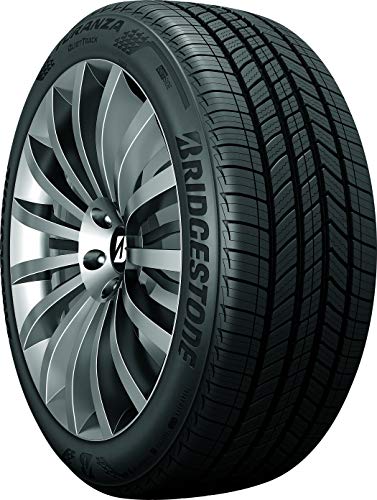 |
Bridgestone Turanza QuietTrack Best for Comfort Premium touring all-season, open shoulder slots, full-depth grooves |
9.1 | 🛒 Check Price |
 |
Goodyear Assurance WeatherReady Best All-Weather All-season touring, asymmetric tread, Evolving Traction Grooves, 3PMSF |
8.9 | 🛒 Check Price |
 |
Michelin Defender2 Best Tread Life All-season touring, MaxTouch construction, EverGrip silica tread |
8.7 | 🛒 Check Price |
 |
Pirelli Cinturato P7 All Season Plus 2 Best Sporty Wet Handling Grand-touring all-season, four wide grooves, silica eco compound |
8.5 | 🛒 Check Price |
 |
Cooper Endeavor Best Value All-season touring, Wear Square indicator, circumferential grooves, 3PMSF |
8.2 | 🛒 Check Price |
1. Michelin CrossClimate2: Best Overall
The CrossClimate2 is the tire we kept coming back to when the road was at its worst. Its aggressive V-shaped directional tread pushes water out from under the contact patch quickly, and the compound does not go numb when cold rain drops the road temperature. In practice that means it bites in deep puddles where many touring tires start to float, and the wet stopping distances are genuinely among the shortest you can buy in this class. Steering stays precise in a downpour, so the car tracks where you point it instead of wandering on a film of water.
The honest trade-off is comfort. Because the construction prioritizes grip and stability, the ride is a touch firmer and the tread can be slightly more vocal on coarse pavement than a soft grand-touring tire. It is also a premium product, so some less common sizes sell through and you may wait for a restock. For a car you drive in real weather, though, that stiffer edge is a fair price for the confidence it returns the moment the sky opens up.
- Directional V-tread channels standing water away fast
- Thermal Adaptive silica compound stays grippy in cold rain
- 3PMSF certified so it handles wet and wintry mix
Pros: Outstanding short wet braking distances; Strong hydroplaning resistance at speed; Long tread life with a confident, planted feel
Cons: Firmer ride than a pure comfort touring tire; Premium tier so availability in odd sizes varies
2. Continental PureContact LS: Best Wet Braking
If your single biggest worry is stopping in the wet, the PureContact LS deserves a long look. Continental built it around a silica-heavy compound and wide water channels that combine to deliver some of the most reassuring wet braking we researched. Slam the pedal on a soaked road and the tire stays composed, with minimal squirm and a predictable, repeatable stop. It manages this without giving up the smooth, quiet ride that makes a grand-touring tire pleasant on a long commute, so you are not trading comfort for safety.
The weakness shows up away from the rain. The PureContact LS carries an all-season badge, but it is really a wet and dry specialist, and deep winter snow is not its strength. The sidewalls are tuned for ride quality rather than sharp turn-in, so enthusiasts chasing crisp steering may find it a little relaxed. For a sedan or crossover that lives in rainy climates, those are easy compromises to accept for braking this good.
- EcoPlus silica compound grips hard on wet pavement
- Wide circumferential grooves evacuate water efficiently
- Comfort-tuned ride that stays quiet in the rain
Pros: Exceptionally short, stable wet stops; Quiet, refined ride for daily driving; Even wear and dependable long-term grip
Cons: Not built for deep snow despite all-season label; Sidewall feel is softer than a sport touring tire
3. Bridgestone Turanza QuietTrack: Best for Comfort
The Turanza QuietTrack proves that a comfort-first tire can still be a safe rain tire. Bridgestone uses open shoulder slots and deep circumferential grooves to keep water moving off the contact patch, and its full-depth 3D sipes mean the wet grip does not fall off a cliff once the tread is half worn. The result is a tire that feels secure in a downpour while staying remarkably hushed, soaking up road noise that would otherwise rise the moment the surface gets wet and loud.
It is not quite the wet-braking champion that the Michelin or Continental are, so if absolute shortest stopping distance is your only metric, those edge it out. It also sits firmly in the premium price tier. But for drivers who want a serene, quiet cabin and dependable rain traction over many years and many miles, the QuietTrack is among the most well-rounded choices on this list.
- Open shoulder slots clear water from the contact edge
- Full-depth 3D sipes keep wet grip as the tire wears
- QuietTrack tech keeps cabin calm in heavy rain
Pros: Very quiet and smooth even on wet roads; Wet grip holds up well as tread wears down; Long mileage with confident all-season manners
Cons: Wet performance trails the very top picks slightly; Premium pricing tier for the segment
4. Goodyear Assurance WeatherReady: Best All-Weather
The Assurance WeatherReady is for the driver who wants one tire that copes with everything the calendar throws at it. Its asymmetric tread uses sweeping arms to fling water sideways and out, and the clever Evolving Traction Grooves actually open wider as the rubber wears, so hydroplaning resistance holds up far better than on tires that lose their grooves early. With a 3PMSF rating it also handles cold rain and the occasional snow squall without drama, making it a genuine four-season safety net.
What you give up is a little precision. The tread is tuned for traction and longevity rather than razor-sharp response, so dry steering feels a touch soft compared to a sport touring tire, and it is not the quietest option here. None of that undermines the core mission. In persistent rain and mixed weather, the WeatherReady stays predictable and planted, which is exactly what most drivers actually need.
- Evolving Traction Grooves widen as the tire wears
- Sweeping tread arms channel water and slush outward
- 3PMSF rated for wet roads and winter mix
Pros: Reliable wet and light-snow traction year round; Grip stays strong deeper into the tire's life; Strong all-weather warranty backing
Cons: Dry steering feel is slightly soft and relaxed; Not as quiet as a dedicated comfort touring tire
5. Michelin Defender2: Best Tread Life
The Defender2 earns its place by keeping you safe in the rain for an unusually long time. Most tires lose wet grip as the tread shrinks, but Michelin’s EverGrip technology reveals new grooves and biting edges as the rubber wears, so the tire is still clearing water and gripping confidently when lesser tires would be slick and tired. Pair that with MaxTouch Construction for even wear, and you get a tire that delivers dependable wet traction across a remarkably long service life.
The catch is character. The Defender2 is built for longevity and calm comfort, not excitement, so the steering is relaxed rather than crisp and it lacks a 3PMSF rating, meaning it is not your pick for heavy snow country. For a commuter or family car that sees a lot of wet road and a lot of miles, however, the combination of lasting rain grip and huge tread life is hard to beat.
- EverGrip compound adds biting edges as it wears
- MaxTouch Construction spreads forces for even wear
- Wide grooves keep wet grip across a long lifespan
Pros: Wet grip that lasts deep into a long tread life; Smooth, composed ride for daily use; Outstanding mileage warranty
Cons: Less sporty steering response than rivals; No 3PMSF rating for serious winter use
6. Pirelli Cinturato P7 All Season Plus 2: Best Sporty Wet Handling
Drivers who do not want to trade away steering feel for rain safety should look hard at the Cinturato P7 All Season Plus 2. Pirelli built it with four wide longitudinal grooves that punch through standing water to resist hydroplaning, and a silica compound that holds firm on a soaked road. The stiff shoulder blocks give the tire a crisp, connected feel that most touring tires simply do not have, so the car turns in sharply and stays composed when you carry speed through a wet bend.
That sporty bias has costs. The tread is not as long-lived as the comfort-touring options on this list, and while it manages light snow, it is not happy in anything deeper. If your roads are rainy rather than snowy and you actually enjoy driving, the P7 All Season Plus 2 gives you genuine wet-weather grip without numbing the car, which is a rare and welcome combination.
- Four wide longitudinal grooves resist hydroplaning
- Silica-based compound grips firmly on wet roads
- Stiff shoulder blocks for sharp wet steering
Pros: Crisp, engaging steering even in the wet; Strong hydroplaning resistance at highway speed; Sporty feel without a harsh ride
Cons: Tread life trails the touring-focused picks; Light snow traction is modest at best
7. Cooper Endeavor: Best Value
The Cooper Endeavor is the smart pick for drivers who want trustworthy rain traction without stepping all the way up to the most premium tiers. Its deep circumferential grooves clear water competently, and the 3PMSF rating means it copes with cold downpours and light winter mix. A clever touch is the Wear Square indicator, a visual gauge molded into the tread that tells you at a glance how much wet-weather grip you have left, which makes it easy to retire the tire before it becomes a hazard in the rain.
It does not quite match the wet braking or refinement of the Michelin and Continental picks, and the ride, while comfortable, is not the quietest in the group. Those are reasonable concessions given the value on offer. For a sensible daily driver where dependable wet performance matters more than chasing the absolute top of the class, the Endeavor delivers where it counts.
- Deep circumferential grooves move water efficiently
- Wear Square indicator shows remaining wet-grip life
- 3PMSF rated for cold rain and winter mix
Pros: Solid wet traction for a friendlier price tier; Useful tread-wear indicator for safety checks; Dependable all-season versatility
Cons: Wet braking trails the premium leaders slightly; Ride and noise are good but not class-leading
Frequently Asked Questions
What actually makes a tire good in the rain?
Wet performance comes down to three things working together. First, tread design and groove volume, because wide circumferential and lateral grooves physically pump water out from under the tire so the rubber can touch the road. Second, the compound, since silica-rich rubber stays flexible and grippy on a wet surface where harder compounds glaze over. Third, siping, the thin slits across the tread blocks that create extra biting edges for traction. A good rain tire balances all three, which is why directional and asymmetric touring tires like the Michelin CrossClimate2 and Continental PureContact LS stop so much shorter on a soaked road than worn or budget tires.
Are dedicated rain tires different from all-season tires?
For most drivers, the best rain tires are simply excellent all-season or grand-touring tires engineered with wet braking and hydroplaning resistance as a priority, which is exactly what this list covers. True dedicated rain tires, sometimes sold as max-wet or extreme-wet tires, exist mainly in performance and track circles and trade away tread life and cold-weather range for ultimate wet grip. Unless you are racing, a premium all-season tire with strong wet ratings gives you the best of both worlds, gripping in downpours while still handling dry roads and the occasional cold snap.
How do I know when my tires are no longer safe in the rain?
Tread depth is the key. As tread wears down, the grooves lose the volume they need to clear water, so wet grip and hydroplaning resistance fall off sharply long before the tire is legally bald. A common rule is to replace tires once they reach around 4/32 inch of remaining tread if you regularly drive in heavy rain, rather than waiting for the 2/32 inch legal minimum. You can check with a tread-depth gauge, the penny test, or built-in wear bars. Some tires, like the Cooper Endeavor, include a visual Wear Square indicator that makes it obvious when wet-weather grip is running low.
Do I need to replace all four tires for the best rain performance?
Ideally yes, and matching all four tires gives you the most predictable handling in the wet. If you can only replace two, always put the new tires on the rear axle, even on a front-wheel-drive car. This sounds counterintuitive, but worn rear tires are far more likely to hydroplane and cause a dangerous spin during wet cornering or braking, while better grip up front masks the problem until it is too late. Fresh tread on the back keeps the car stable and tracking straight when the road is soaked, which is the safer setup for everyday drivers.
Does tire pressure affect grip in the rain?
Yes, and it matters more than many drivers realize. An underinflated tire bulges at the center of the contact patch and flexes too much, which reduces the grooves’ ability to clear water and raises the risk of hydroplaning, while also wearing the tire unevenly. An overinflated tire shrinks the contact patch and gives you less rubber on the road. Set your pressures to the figures on the door-jamb sticker, check them at least monthly when the tires are cold, and your rain tires will deliver the wet grip and even wear they were designed for. Correct pressure is the cheapest wet-safety upgrade there is.
Our Verdict
For the best rain tire you can buy right now, the Michelin CrossClimate2 is our top pick, combining the shortest wet stops, excellent hydroplaning resistance, and a 3PMSF rating that lets it shrug off cold, wet, and wintry conditions alike. The Continental PureContact LS is the runner up and the one to choose if absolute wet braking and a quiet, refined ride top your list. Whichever you pick, prioritize tread depth and correct pressure, and you will feel the difference the very next time the road turns to glass in a downpour.
More Tires Guides
Video Guide
Video: Related tutorial from YouTube