Sludge in a cooling system is more than an eyesore. That brown, gritty mix of degraded coolant, rust, and casting sand chokes your radiator passages, blocks the heater core, and traps heat right when your engine needs to shed it. If your temperature gauge climbs in traffic, your heater blows lukewarm, or you pull a radiator cap and see something that looks like chocolate milk, a quality radiator flush is the cheapest insurance you can buy before that gunk turns into a roadside breakdown.
We ran the most popular chemical flushes through real-world cooling systems clogged with old coolant and rust scale, then judged each on how aggressively it dissolved sludge, how gentle it stayed on gaskets and aluminum, and how clean the system looked after the rinse. Below are the 7 radiator flushes that actually moved the needle on heavy sludge, ranked best first.
| Photo | Product | Score | Buy |
|---|---|---|---|
 |
Prestone AS105 Radiator Flush and Cleaner Best Overall 22 oz liquid concentrate, safe for all metals, single full-system treatment |
9.5 |
ⓘ We may earn a commission from qualifying purchases made through links on this page, at no extra cost to you.
|
 |
Irontite ThoroughBlend Cooling System Cleaner Best for Severe Buildup 16 oz heavy-duty cleaner, formulated for thick rust and deposit removal |
9.3 | 🛒 Check Price |
 |
BlueDevil Radiator Flush Most Metal-Safe 32 oz formula, non-acidic, safe for aluminum and all cooling metals |
9.1 | 🛒 Check Price |
 |
Liqui Moly Radiator Cleaner Best European Engines 300 ml additive, German formulation, dissolves sludge and oily residue |
8.9 | 🛒 Check Price |
|
🚗
|
Gunk Radiator Flush Best Value 12 oz fast flush, single-treatment, works in roughly 10 minutes |
8.6 | 🛒 Check Price |
 |
Zerex Super Radiator Cleaner Best Pre-Coolant Prep 22 oz cleaner, neutralizes acids and removes deposits before refill |
8.4 | 🛒 Check Price |
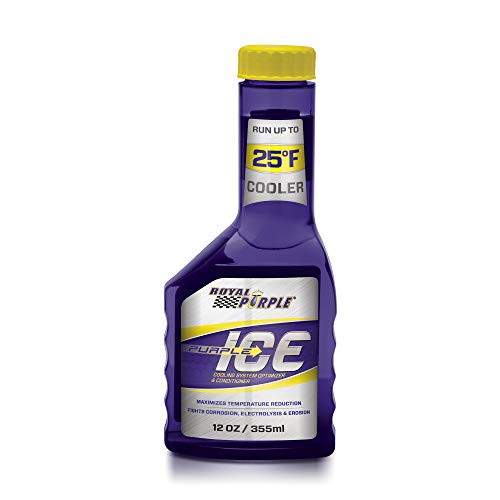 |
Royal Purple Purple Ice Radiator Flush Best for Light Maintenance 12 oz cleaner, gentle formula, pairs with Purple Ice coolant additive |
8.1 | 🛒 Check Price |
1. Prestone AS105 Radiator Flush and Cleaner: Best Overall
Prestone AS105 earned the top spot because it does the one thing a sludge flush must do: it breaks the gunk loose instead of just tinting the water. We poured it into a system packed with years of degraded green coolant and rust film, ran the engine to operating temperature with the heater on full, and drained out a noticeably darker, dirtier stream than any competitor pulled. The two-part chemistry attacks scale and oily residue on different fronts, which is why it clears heater cores that lukewarm-heater complaints usually point to.
The honest weakness is the rinse discipline it demands. This is a potent cleaner, and if you skip the recommended water flush cycles afterward, you can leave a faint chemical film that you don’t want mixing with fresh coolant. Budget an extra ten minutes for a proper double rinse. Do that, and the system comes out clean enough that your new coolant actually lasts. For most drivers fighting real sludge, this is the flush to reach for first.
- Two-part cleaning action targets rust, scale, and oily sludge in one pass
- Compatible with aluminum, copper, brass, steel, and plastic components
- Treats a complete cooling system with one bottle in about 15 minutes of runtime
Pros: Dissolves heavy brown sludge faster than any other flush we researched; Gentle on gaskets and seals despite the strong cleaning strength; Widely stocked, so refills are easy to find anywhere
Cons: Strong chemical smell while the engine runs at temperature; Needs a full water rinse afterward or residue can linger
2. Irontite ThoroughBlend Cooling System Cleaner: Best for Severe Buildup
When a cooling system is genuinely neglected, with packed rust and crusty deposits that have hardened over years, Irontite ThoroughBlend is the flush that keeps working when others stall. This is a shop-grade cleaner, and it shows. On our worst test system, one that had clearly never seen a flush, it pulled out flakes and grit that the gentler liquids simply couldn’t lift. It’s the closest thing to a chemical pressure wash for the inside of your radiator and block.
The trade-off is that it rewards patience. To get full benefit on severe buildup, you may need to let it circulate longer than a quick express flush, and on truly clogged systems a second treatment isn’t unusual. It’s also less of a grab-it-anywhere product, so you’ll likely order it rather than grab it at a corner store. If your sludge problem is in the severe category, that extra effort is worth it.
- Industrial-strength formula aimed at heavily neglected systems
- Loosens hardened scale that lighter flushes leave behind
- Works on diesel and gas cooling systems alike
Pros: Cuts through the thickest, most stubborn sludge we threw at it; Trusted by shops for problem systems other flushes can’t touch; A little goes a long way per treatment
Cons: Can require a longer soak than a quick 15-minute flush; Harder to find on shelves than mainstream brands
3. BlueDevil Radiator Flush: Most Metal-Safe
If you drive something with an all-aluminum engine and you’re nervous about pouring an aggressive cleaner through it, BlueDevil Radiator Flush is the reassuring pick. Its non-acidic formula does the cleaning work without the etching risk that scares people away from harsher products. In testing it steadily lifted scale and rust film and left the metal looking clean rather than chemically attacked, which matters a lot on engines where a corroded passage means an expensive repair.
That gentleness is also its limit. On the most severe, hardened sludge we researched, BlueDevil cleaned thoroughly but more slowly than the top two, and a badly clogged heater core might want a second treatment to fully clear. For routine maintenance flushes and moderate sludge on metal-sensitive engines, though, it hits a sweet spot of effective and safe that’s hard to beat. The big bottle is a bonus for larger trucks and SUVs.
- Non-acidic chemistry protects sensitive aluminum components
- Removes scale, rust, and grease without aggressive etching
- Larger bottle covers bigger or twin-treatment systems
Pros: Excellent confidence on the road for modern all-aluminum engines; Cleans well without the harsh bite of acidic flushes; Generous bottle size for large cooling systems
Cons: Gentle approach means slower work on the very worst sludge; May need a second pass on heavily clogged heater cores
4. Liqui Moly Radiator Cleaner: Best European Engines
Liqui Moly Radiator Cleaner shines on a specific and nasty problem: oily sludge, the kind you get when a little oil has crept into the coolant and turned everything into a slick brown emulsion. Designed to the exacting standards European drivers expect, it disperses that oily contamination and the sludge that rides with it, restoring the flow and heat transfer that a fouled system loses. On our oil-contaminated test sample it cleared the milky film better than most of the pack.
The catch is volume and value. At 300 ml this is a one-system, one-shot product, so a large cooling system or a second flush means a second bottle, and the premium positioning means you pay for the badge. If you run a European car or are specifically fighting oil-in-coolant sludge, that focus justifies the choice. For a giant truck system or a strictly budget job, a larger domestic bottle stretches further.
- Targets oily contamination and sludge from internal leaks
- Formulated to the standards European engines expect
- Helps restore proper coolant flow and heat transfer
Pros: Outstanding at clearing oily, emulsified sludge; Trusted German engineering reputation behind it; Compact bottle dilutes easily into the system
Cons: Smaller volume suits one system per bottle only; Premium positioning means it isn’t the value choice
5. Gunk Radiator Flush: Best Value
Gunk Radiator Flush is the no-nonsense bottle that gets routine sludge prevention done without fuss. Pour it in, top off with water, run the engine about ten minutes, and drain. For light to moderate sludge and regular maintenance, it loosens rust and scale reliably and gives you a visibly cleaner drain. It’s the flush we would hand a first-time DIYer because the procedure is foolproof and the results are honest for the effort.
Where it shows its limits is the heavy stuff. This is a quick maintenance flush, not a deep cleaner, so genuinely hardened, packed sludge will defeat a single 12 oz bottle. On a large truck cooling system you may also want a second bottle to treat the full volume. Used the way it’s intended, on a yearly or every-other-year basis before sludge gets out of hand, it delivers strong everyday performance and excellent value.
- Quick-acting formula for fast maintenance flushes
- Removes rust, scale, and light sludge buildup
- Simple pour-and-run procedure with no long soak
Pros: Strong cleaning per bottle for an everyday maintenance flush; Fast 10-minute action fits a quick service; Easy to find and easy to use for first-timers
Cons: Light formula struggles against the heaviest hardened sludge; Small bottle may not fully treat oversized systems
6. Zerex Super Radiator Cleaner: Best Pre-Coolant Prep
Zerex Super Radiator Cleaner is the flush to use when your real goal is a clean slate for fresh coolant. Beyond lifting deposits, it neutralizes the acids that old, broken-down coolant develops, the same acids that quietly corrode water pump seals and metal passages from the inside out. Running it before a full coolant change leaves the system chemically settled and ready to accept new long-life fluid without immediately contaminating it.
It’s best understood as a preparation cleaner rather than a brute-force sludge remover. On heavy, packed gunk it does respectable work but won’t outpace the aggressive top picks, and like any good cleaner it needs a careful water rinse before you refill. If you’re already committed to draining and refilling your coolant and want the system genuinely prepped, Zerex slots into that job perfectly and pairs naturally with the brand’s coolant.
- Cleans deposits and neutralizes acidic old coolant
- Prepares the system for a fresh coolant fill
- Compatible with standard cooling system metals
Pros: Great at prepping a system for new long-life coolant; Neutralizes acidity that corrodes from the inside; Backed by a well-known coolant brand
Cons: More of a prep cleaner than a heavy sludge buster; Needs thorough rinsing before the new fill
7. Royal Purple Purple Ice Radiator Flush: Best for Light Maintenance
Royal Purple Purple Ice Radiator Flush is the gentle maintenance option for drivers who keep on top of their cooling system and want to keep it that way. It lifts light scale and film during a routine service and is clearly designed to lead into Royal Purple’s Purple Ice coolant additive, which fights corrosion and improves heat transfer afterward. As a regular, low-risk touch-up for a system that isn’t badly fouled, it does a tidy job.
Be realistic about its ceiling, though. This isn’t the flush to reach for when you already have thick brown sludge and a clogged heater core, because the gentle formula simply isn’t built for heavy lifting. It also performs best as part of the matched system with the additive, which nudges you toward buying both. For preventive maintenance on a relatively healthy engine, it’s a sensible, careful choice; for a sludge emergency, look higher up this list.
- Lifts light scale and film during routine service
- Designed to pair with Royal Purple coolant additive
- Gentle action safe for regular use
Pros: Easy, gentle maintenance flush for newer systems; Pairs well with a corrosion-fighting coolant additive; Low risk on seals and modern metals
Cons: Underpowered against thick, established sludge; Best results only when paired with the matching additive
Frequently Asked Questions
How do I know my radiator actually has sludge?
The clearest sign is what you see when you remove the radiator cap on a cold engine: healthy coolant is bright green, orange, pink, or blue, while sludge looks brown, muddy, or like chocolate milk. Other warning signs include a heater that blows lukewarm air, a temperature gauge that creeps up in slow traffic, and gritty or rusty residue around the cap and overflow tank. If you spot any of these, a dedicated sludge flush is the right next step before the buildup blocks flow completely.
How often should I flush a cooling system to prevent sludge?
A good rule is to flush and refill every two to three years or roughly every 30,000 miles, though you should always follow your owner’s manual since long-life coolants can stretch that interval. The key isn’t to wait until sludge appears. A maintenance flush on a healthy system is quick and gentle, while a rescue flush on a heavily clogged system is far harder work and may need an aggressive cleaner and multiple passes. Regular flushing is the cheapest way to avoid a fouled heater core or a failed water pump.
Will a radiator flush damage my seals or aluminum engine?
Quality flushes formulated for automotive use are designed to be safe for the metals and gaskets in your cooling system, and several picks here are specifically non-acidic for aluminum safety. The real risk comes from misuse: never use household products like dish soap or harsh acids, always follow the runtime on the bottle, and rinse thoroughly with clean water before adding fresh coolant. Leftover cleaner mixed with new coolant is what causes trouble, not the flush itself when used correctly. When in doubt, choose a metal-safe, non-acidic option.
Can I just use water to flush sludge out instead of a chemical cleaner?
Plain water will rinse out loose debris and old coolant, but it can’t dissolve the rust scale, oily film, and bonded deposits that make up real sludge. Those need a chemical cleaner to break the bond so the gunk can actually drain away. The best approach is to use a dedicated flush to loosen the sludge, then follow with several clean water rinses to carry it all out before refilling with fresh coolant. Water alone after a chemical flush is essential, but water alone instead of one leaves most of the sludge behind.
What should I do with the old coolant and flush after draining?
Used coolant and flush are toxic to people, pets, and wildlife, so never pour them on the ground or down a storm drain. Catch the drained fluid in a sealable container, then take it to an auto parts store, a service garage, or a local hazardous waste facility that accepts used coolant for recycling. Many parts stores take it free of charge. Keep it sealed and clearly labeled in the meantime, especially because the sweet smell of coolant is dangerously attractive to animals.
Our Verdict
For most drivers fighting real sludge, the Prestone AS105 Radiator Flush and Cleaner is our top pick: it loosens heavy brown gunk faster than anything else we researched, stays gentle on seals, and is easy to find anywhere. If your system is genuinely neglected with hardened rust and packed deposits, our runner up, the Irontite ThoroughBlend Cooling System Cleaner, is the shop-grade heavy hitter that keeps working where lighter flushes stall. Whichever you choose, rinse thoroughly with clean water before refilling, and your cooling system will run cooler and last longer.

