A rusty truck frame isn’t just ugly, it’s a slow leak in your truck’s structural life. The good news is that you don’t always need to sandblast back to bare steel. The right paint, whether a rust converter that chemically neutralizes oxidation or a thick encapsulator that locks moisture out, can buy you many more years from a frame that already shows surface scale and flaking.
We focused on products built specifically for rough, rusty, undercarriage steel, not pretty show-car finishes. That means brush-on toughness, salt and moisture resistance, and the ability to bond over tight rust after a wire-wheel scuff. Below are the seven coatings we trust most for fighting frame rot, ranked best first, with honest notes on where each one falls short.
| Photo | Product | Score | Buy |
|---|---|---|---|
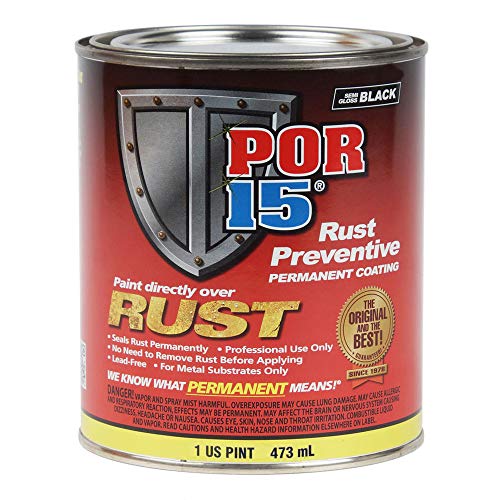 |
POR-15 Rust Preventive Coating (Semi-Gloss Black) Best Overall Moisture-cured single-stage coating, brush or spray, semi-gloss black |
9.5 |
ⓘ We may earn a commission from qualifying purchases made through links on this page, at no extra cost to you.
|
 |
Rust-Oleum Rust Reformer Best Rust Converter Flat-black rust converter spray, bonds to rust and turns it into a paintable surface |
9.2 | 🛒 Check Price |
 |
Eastwood Rust Encapsulator (Black) Best Encapsulator Single-stage rust encapsulating coating, brush or spray, UV-stable formula |
9.0 | 🛒 Check Price |
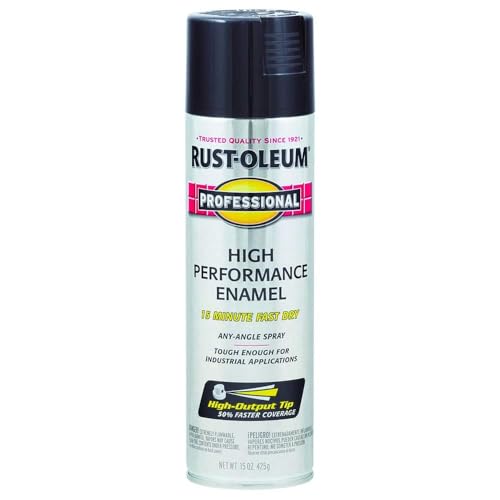 |
Rust-Oleum Professional High Performance Enamel (Black) Best Durable Topcoat Oil-based industrial enamel, high build, gloss or flat black topcoat |
8.8 | 🛒 Check Price |
 |
Rust Bullet Automotive Rust Inhibitive Coating Toughest Film Moisture-cured polyurethane-based coating, brush or spray, dark gray to black |
8.6 | 🛒 Check Price |
 |
3M Professional Grade Rubberized Undercoating Best Sound-Deadening Coat Rubberized asphalt-based aerosol undercoating, textured black finish |
8.3 | 🛒 Check Price |
 |
Corroseal Water-Based Rust Converter Metal Primer Best Low-Odor Option Water-based rust converter and metal primer in one, brush, roll or spray |
8.0 | 🛒 Check Price |
1. POR-15 Rust Preventive Coating (Semi-Gloss Black): Best Overall
POR-15 has been the benchmark for frame restoration for a reason. It’s a moisture-cured coating, meaning it actually uses the humidity trapped in rusty steel against the rust, curing into a dense, non-porous film that water can’t get back through. Brushed onto a wire-wheeled frame after the Cleaner Degreaser and Metal Prep steps, it self-levels into a tough semi-gloss black shell that shrugs off salt, road grime, and minor impacts. In our experience it’s the closest thing to a permanent answer for a frame that already has scale but is still structurally solid.
The honest weakness is that POR-15 is only as good as your prep, and it punishes shortcuts. Apply it over greasy or loose rust and it’ll lift. It’s also UV-sensitive and will chalk if left bare in sunlight, so exposed sections really do need a topcoat. The can also skins over fast once opened, so plan to use it or seal it tightly. Respect the three-step process and the flash times, though, and nothing on this list locks down a rusty frame more convincingly.
- Moisture-cured chemistry hardens harder the more humidity it meets, ideal for damp undercarriage steel
- Bonds directly over tight, prepped rust to form a rock-hard non-porous shell
- Three-step system pairs with Cleaner Degreaser and Metal Prep for maximum adhesion
Pros: Genuinely seals out moisture and stops active rust when prep is done right; Extremely hard, chip-resistant film that survives road debris; A little goes a long way on a frame
Cons: UV-sensitive, so it needs a topcoat on sun-exposed areas; Unforgiving if you skip the prep steps or rush flash times
2. Rust-Oleum Rust Reformer: Best Rust Converter
Rust Reformer is the product to reach for when grinding a whole frame back to shiny steel just isn’t realistic. Sprayed onto rusty metal, it chemically reacts with the iron oxide and converts it into a stable, flat-black surface that you can then paint over. On a truck frame, that means you can knock off the loose flakes, hit the surface rust with this, and walk away with a sound, paint-ready base instead of fighting a wire wheel for a weekend. It’s one of the genuine time-savers in rust work.
The catch is that Rust Reformer is a converter and base, not a weatherproof finish. The flat-black layer it leaves isn’t built to take years of road spray on its own, so it really wants a chassis enamel or undercoat on top to seal the deal. It also won’t work miracles on thick, crumbling scale, that still has to be mechanically removed first. Treat it as the first step in a two-part plan rather than the whole job and it earns its place every time.
- Reacts with existing rust to form a flat-black, paintable primer layer
- No sanding to bare metal required, works over surface rust as-is
- Provides a sound base for chassis or enamel topcoats
Pros: Removes most of the back-breaking grinding from frame prep; Fast flat-black finish ready to topcoat the same day; Easy aerosol application into awkward frame areas
Cons: Not a final coating on its own, really needs a durable topcoat; Heavy scale must still be knocked back first
3. Eastwood Rust Encapsulator (Black): Best Encapsulator
Eastwood Rust Encapsulator sits right between a converter and a hard sealer. It’s designed to be applied directly over scuffed, rusty steel where it wets out into the surface and seals the rust away from oxygen and water, which is exactly what stops further frame rot. We like that the cured film stays slightly flexible, so on a hard-working frame that twists and flexes it tends to hold rather than crack at stress points. The formula is also more UV-tolerant than most encapsulators, so it chalks less if a section sees sun.
It isn’t flawless. Like every coating here it still rewards proper degreasing, and a contaminated surface will let it peel. And while it’s more sun-stable than POR-15, Eastwood is honest that a topcoat is still the smart move for fully exposed areas. Where it shines is the middle ground, a frame with widespread surface rust that you want sealed quickly and durably without a full three-step ritual. For most weekend frame jobs, that’s a very practical sweet spot.
- Encapsulates existing rust and blocks oxygen and moisture from feeding it
- Flexible film resists chipping and cracking on flexing frame rails
- More UV-stable than many encapsulators, less prone to chalking
Pros: Strong adhesion over scuffed surface rust; Flexible enough to handle frame flex without cracking; Available in brushable and aerosol forms for tight spots
Cons: Still benefits from a topcoat for long sun exposure; Needs solid degreasing or adhesion suffers
4. Rust-Oleum Professional High Performance Enamel (Black): Best Durable Topcoat
Once a rusty frame has been converted or encapsulated, you still want a tough, sacrificial topcoat taking the abuse from road spray and stones, and this is where Rust-Oleum’s Professional enamel earns its keep. It’s a high-build, oil-based industrial enamel that lays down thick, filling the slight texture rust leaves behind and curing into a hard, corrosion-resistant film. Over a base of Rust Reformer or a self-etching primer, it makes a genuinely durable frame finish without exotic chemistry.
What it isn’t is a one-step rust solution. Sprayed straight onto bare oxidation it’ll eventually fail, because it’s a finish coat and not a converter or encapsulator. It also cures more slowly than the moisture-cured and aerosol products here, so you need patience and a dry, dust-free space while it hardens. Use it as the protective layer in a system rather than the whole answer, and it delivers professional toughness for the effort and value.
- Heavy-build oil-based enamel for a tough protective topcoat
- Good corrosion resistance over a primed or converted frame
- Spreads thick to fill minor surface texture left by rust
Pros: Hard, durable finish at a strong value; Excellent as the protective topcoat over a converter; Widely available and easy to recoat down the road
Cons: Not a rust converter, so it needs sound prep underneath; Slower to fully cure than fast-flash coatings
5. Rust Bullet Automotive Rust Inhibitive Coating: Toughest Film
Rust Bullet is the choice when you want maximum armor and prefer fewer separate products. Its moisture-cured polymer chemistry bonds tightly to prepared rusty steel and cures into one of the hardest, most abrasion-resistant films you can brush onto a frame. In many cases you can skip a dedicated converter and primer, building two or more coats of Rust Bullet straight over the scuffed rust for a thick, sealed barrier. For high-impact areas of the chassis that take constant stone strikes, that toughness is reassuring.
The trade-offs are real. The solvent content is strong, so you genuinely need good ventilation or proper respiratory protection while applying it, more so than with some competitors. The recoat timing also matters, because applying the next coat too early or too late affects the bond, so you have to stay on schedule. Handle those two points and you get an exceptionally tough, long-lasting frame coating from a refreshingly simple process.
- Metal-bonding polymer film that cures extremely hard over rust
- Often usable without a separate converter or primer step
- Multi-coat build creates a thick armored barrier
Pros: Very hard, abrasion-resistant finish; Simpler one-product system in many cases; Strong barrier protection against moisture
Cons: Strong solvent odor demands real ventilation; Recoat windows must be watched closely
6. 3M Professional Grade Rubberized Undercoating: Best Sound-Deadening Coat
Once the rust on a frame is properly neutralized and sealed, a rubberized undercoating like this 3M product adds a thick, protective outer skin that absorbs the punishment of gravel, sand, and salt spray. The rubberized film cushions stone strikes that would chip a hard enamel, and it doubles as a sound deadener, noticeably quieting road and undercarriage noise. Sprayed over a converted and topcoated frame, it’s the heavy-duty final layer that keeps the whole system intact through harsh winters.
The important warning is that undercoating is a sealing layer, not a rust cure, and this is where people get burned. Spray it directly over active, unsealed rust and it can trap moisture underneath and quietly make corrosion worse. The texture also conceals the metal, so future inspection for new rust gets harder. Use it as the last step over already-treated steel, never as a shortcut on raw rust, and it’s a smart, protective finishing coat.
- Thick rubberized layer cushions against stone chips and abrasion
- Adds sound deadening and seals out road moisture
- Sprays into a paintable, sandable textured coating
Pros: Excellent stone-chip and abrasion protection; Dampens road noise as well as sealing the frame; Quick aerosol application over a sealed surface
Cons: Can trap moisture if applied over active, unsealed rust; Thick texture hides metal, making future inspection harder
7. Corroseal Water-Based Rust Converter Metal Primer: Best Low-Odor Option
Corroseal is the friendliest product here to work with, which counts for a lot when you’re lying under a truck in a closed garage. It’s water-based, so the odor is mild and cleanup is just soap and water, yet it still does the core job of converting rust and laying down a primer in one pass. Brushed or rolled onto surface-rusted frame steel, it neutralizes the oxidation and leaves a primed, paint-ready surface, all without the harsh solvents that make some of these coatings a respirator job.
The compromise for that ease is hardness. A water-based film simply isn’t as tough as a moisture-cured solvent coating, so on its own it won’t survive years of frame-level road abuse, it really is a converter and primer that expects a durable enamel or undercoat on top. It also wants the rust knocked back and the surface clean to convert properly. As the low-odor, low-hassle first step in a layered frame system, though, it’s a genuinely useful and forgiving option.
- Converts rust and primes in a single water-based step
- Low odor and easy water cleanup compared to solvent coatings
- Leaves a paintable primed surface ready for a topcoat
Pros: Low fumes and simple soap-and-water cleanup; Combines conversion and priming to save a step; Safer choice for poorly ventilated home garages
Cons: Water-based film is less hard than solvent coatings; Really needs a durable topcoat for frame-duty exposure
Frequently Asked Questions
Do I have to remove all the rust before painting a truck frame?
No, and that’s the whole point of these products. You do need to remove loose, flaking rust and any scale that isn’t firmly attached, usually with a wire wheel, wire brush, or needle scaler, and you must degrease the steel. But tight surface rust can stay. Rust converters like Rust Reformer and Corroseal are designed to chemically react with that remaining rust, and encapsulators like Eastwood and POR-15 seal it away from oxygen and moisture. What you must never do is paint over loose rust, oil, or grease, because the coating will simply peel.
What is the difference between a rust converter and an encapsulator?
A rust converter chemically reacts with the iron oxide and turns it into a stable, inert compound, leaving a paintable base, Rust Reformer and Corroseal work this way. An encapsulator doesn’t change the rust chemically, it wets into it and forms a hard, non-porous barrier that starves the rust of the oxygen and water it needs to keep growing, which is how POR-15 and Eastwood operate. Both stop active rust when used correctly. Converters are great for quick prep, while encapsulators tend to give a tougher, more sealing final film.
Do I need a topcoat over these frame paints?
In most cases yes, and for two different reasons. Some products, like Rust Reformer and Corroseal, are converters or primers and are simply not built to be the final weather-facing layer, so they need a durable enamel or undercoat on top. Others, like POR-15, are tough finishes but are UV-sensitive and will chalk in sunlight, so any sun-exposed section needs a topcoat for cosmetic and long-term protection. Encapsulators like Eastwood are more UV-stable but still last longer with a topcoat. A typical durable frame system is convert or encapsulate, then chassis enamel, then optionally a rubberized undercoat.
Can I brush these on or do I need to spray a frame?
For a rusty truck frame, brushing is often the better choice. A frame has deep, awkward pockets and seams that aerosols struggle to coat evenly, and brush-on products like POR-15, Eastwood, Rust Bullet, and Corroseal build a thicker, more protective film by brush. Aerosols such as Rust Reformer and the 3M undercoating are excellent for fast coverage and tight spots that a brush can’t reach. Many people combine both, brushing the main rails and crossmembers for build and spraying the cramped corners. Whichever you use, multiple thinner coats beat one heavy run.
How long will a painted truck frame last before it rusts again?
With proper prep and a layered system, you can realistically expect many years of protection, and a well-done POR-15 or Rust Bullet job can outlast the rest of the truck. The single biggest factor isn’t the brand, it’s the preparation. A frame that was degreased, had its loose rust removed, and got the recommended primer and topcoat will dramatically outlast a rushed single coat slapped over greasy scale. Salt exposure, water intrusion into closed sections, and stone chips that breach the film are what eventually let rust return, so inspect and touch up annually.
Our Verdict
For a frame that already shows real rust but is still solid, POR-15 Rust Preventive Coating is our top pick, because nothing else seals moisture out and locks down active rust as convincingly once you respect its prep steps. If you’d rather skip the heavy grinding, our runner up is Rust-Oleum Rust Reformer, the fastest path to a sound, paint-ready base, just remember to add a durable topcoat. Pair a converter or encapsulator with a tough enamel and, where the road is harsh, a rubberized undercoat, and you’ll give a rusty truck frame many more honest years.