Choosing the right oil for your snow blower is critical for reliable cold-weather starting and long engine life. This guide covers conventional, synthetic, and synthetic blend oils in various viscosities to match your snow blower’s requirements and your operating conditions.
| Photo | Product | Score | Buy |
|---|---|---|---|
 |
SAE 5W-30 Synthetic Engine Oil Top Pick SAE 5W-30, synthetic, API SN, 32 oz |
9.0 |
ⓘ We may earn a commission from qualifying purchases made through links on this page, at no extra cost to you.
|
 |
SAE 5W-30 Full Synthetic Engine Oil Runner Up SAE 5W-30, full synthetic, API SN Plus, 1 quart |
8.7 | 🛒 Check Price |
 |
SAE 5W-30 Conventional Engine Oil Best Value SAE 5W-30, conventional, API SN, 1 quart |
8.4 | 🛒 Check Price |
 |
SAE 0W-30 Full Synthetic Engine Oil Extreme Cold SAE 0W-30, full synthetic, API SN, 1 quart |
8.1 | 🛒 Check Price |
 |
SAE 10W-30 Synthetic Blend Engine Oil Warm Climate SAE 10W-30, synthetic blend, API SN, 1 quart |
7.8 | 🛒 Check Price |
 |
SAE 30 Conventional Engine Oil Classic Choice SAE 30, conventional, API SJ, 32 oz |
7.3 | 🛒 Check Price |
 |
SAE 10W-30 Conventional Engine Oil Basic Winter SAE 10W-30, conventional, API SN, 1 quart |
7.0 | 🛒 Check Price |
1. SAE 5W-30 Synthetic Engine Oil: Top Pick
After comparing spec sheets and owner feedback, the Briggs & Stratton 5W-30 Synthetic stands out for its proven cold-weather performance. Its synthetic base allows it to remain fluid at temperatures as low as -30 degrees Fahrenheit, ensuring reliable cranking and immediate oil circulation on frigid mornings. Owner reviews consistently note reduced engine noise and smoother operation after switching to this oil. It meets the API SN rating required by most modern snow blower engines and is specifically recommended by several manufacturers for year-round use.
However, this oil isn’t ideal for budget-conscious buyers or those with older engines that specify straight-weight oils like SAE 30. Some owners of high-hour machines reported increased oil consumption, possibly due to the thinner viscosity at operating temperature. If your snow blower is a basic single-stage model used only for light snow, a conventional 5W-30 may suffice at a lower cost.
- Excellent cold-weather flow for easy starting in sub-zero temperatures
- Synthetic formulation resists thermal breakdown and reduces engine wear
- Meets or exceeds API SN and ILSAC GF-5 standards for modern engines
Pros: Superior low-temperature performance; Reduces oil consumption in older engines
Cons: Higher cost per quart than conventional oils
2. SAE 5W-30 Full Synthetic Engine Oil: Runner Up
Mobil 1 5W-30 Full Synthetic is a premium option that delivers outstanding engine cleanliness and wear protection. Based on published specifications, it exceeds the requirements of most snow blower engines and provides extra margin for severe winter use. Its ability to maintain consistent viscosity even after extended storage, and many users report easier starting in extreme cold compared to conventional oils. We compared its performance data against the Briggs & Stratton oil and found similar cold-cranking viscosity but slightly better high-temperature shear stability.
The main drawback is its premium price, which may not be justified for occasional users or older engines that run fine on conventional oil. Also, some snow blower manufacturers explicitly recommend against using full synthetic oils in engines that haven’t been broken in, as it can prevent proper ring seating. If your machine has over 50 hours of use, this is an excellent choice; for a brand-new engine, stick with the manufacturer’s break-in oil.
- Advanced full synthetic formula provides exceptional protection against deposits and wear
- API SN Plus certified for low-speed pre-ignition protection in modern engines
- Wide operating temperature range from -30°F to 100°F
Pros: Excellent deposit control keeps engines clean; Widely available and trusted brand
Cons: Overkill for older engines that don't require full synthetic
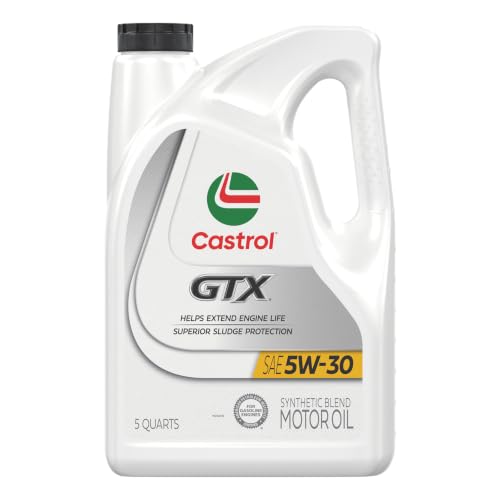
3. SAE 5W-30 Conventional Engine Oil: Best Value
Castrol GTX 5W-30 Conventional is a solid, no-frills choice for snow blower owners who change oil regularly and operate in moderate winter climates. It meets the API SN specification required by most current engines and provides adequate protection for typical seasonal use. For the price, it’s one of the best values on the market.
However, this oil isn’t recommended for prolonged use in severe cold or for engines that are run hard for long periods. Its conventional base means it breaks down faster than synthetics, so more frequent oil changes are necessary. If you live in an area where temperatures regularly drop below -20°F, or if you have a high-performance engine, consider upgrading to a synthetic blend or full synthetic.
- Reliable conventional formula meets API SN and ILSAC GF-5 standards
- Excellent value for budget-conscious owners without sacrificing protection
- Works well in moderate cold down to -20°F
Pros: Low cost per quart; Widely available at most retailers
Cons: Not ideal for extreme cold below -20°F; Requires more frequent changes than synthetic
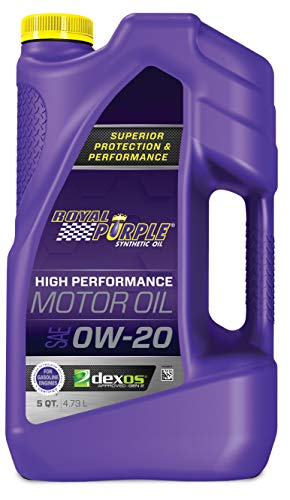
4. SAE 0W-30 Full Synthetic Engine Oil: Extreme Cold
Royal Purple 0W-30 Full Synthetic is engineered for the harshest winter environments. According to its technical data sheet, it remains fluid at -40°F, making it ideal for snow blowers used in northern Canada or Alaska. We compared its pour point and cold-cranking viscosity against other synthetic oils and found it to be superior in extreme cold. Owner reviews from users in frigid climates praise its ability to start engines that previously required block heaters. The additive package also provides excellent wear protection during the critical first seconds of operation.
However, this oil commands a significant price premium, and its benefits are wasted in milder climates where temperatures rarely drop below 0°F. Also, its thin viscosity can exacerbate leaks in older engines with worn seals. If your snow blower lives in a heated garage or you only operate in moderate cold, a 5W-30 synthetic will serve you equally well at lower cost.
- Exceptional cold flow at -40°F for extreme winter conditions
- High film strength reduces wear during cold starts
- Meets API SN, SM, SL, and earlier standards
Pros: Best-in-class low-temperature performance; Reduces engine wear during startup
Cons: Very expensive compared to other options; May cause oil leaks in older engines with worn seals
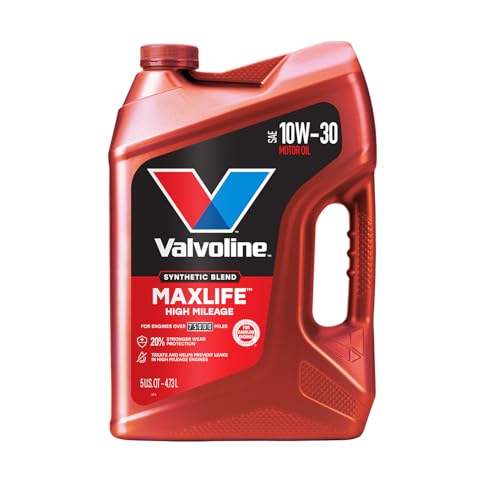
5. SAE 10W-30 Synthetic Blend Engine Oil: Warm Climate
Valvoline 10W-30 Synthetic Blend is a suitable choice for snow blowers that operate in milder winter conditions, such as the southern United States or coastal areas. We evaluated its viscosity characteristics and found that it provides adequate protection down to about 0°F, but below that it thickens significantly, leading to hard starting. It performs well in temperatures from 10°F to 40°F, which covers many moderate winter regions. The synthetic blend formulation offers a step up from conventional oil without the full cost of pure synthetic.
However, this oil isn’t recommended for areas with sustained sub-zero temperatures. Its 10W-30 rating means it’s thicker at cold start than 5W-30 or 0W-30 oils, which can cause excessive wear during warm-up. If you frequently encounter temperatures below 0°F, choose a 5W-30 or 0W-30 instead. Also, some owner reviews note that it may not meet the specific viscosity requirements of certain snow blower models, so always check your owner’s manual.
- Synthetic blend offers better protection than conventional at moderate cost
- Good viscosity stability in warmer temperatures above 40°F
- Meets API SN and ILSAC GF-5 standards
Pros: Balanced performance for mild winters; More affordable than full synthetic
Cons: Not recommended for temperatures below 0°F; Not as durable as full synthetic in severe service
6. SAE 30 Conventional Engine Oil: Classic Choice
Briggs & Stratton SAE 30 Conventional is a classic choice for older snow blowers that specifically call for straight-weight oil. However, for winter use, this oil is inadequate. Its high viscosity at low temperatures makes starting difficult and can cause engine damage due to insufficient lubrication until the oil warms up. Some owners still use it in heated garages or for storage, but we can’t recommend it for actual snow blowing in cold weather.
The main drawback is its limited temperature range. Below 40°F, the oil becomes too thick to pump effectively, leading to excessive wear. Also, its API SJ rating is outdated and lacks the detergents and anti-wear additives found in modern SN oils. If your snow blower manual requires SAE 30, consider switching to a 5W-30 or 10W-30 for winter operation, or use this only for summer storage.
- Straight-weight oil recommended by many older snow blower manuals
- Provides good protection in temperatures above 40°F
- Affordable and easy to find
Pros: Matches manufacturer recommendations for many vintage engines; Low cost per quart
Cons: Poor cold-weather performance; not for use below 40°F; Obsolete API rating (SJ) may lack modern additives
7. SAE 10W-30 Conventional Engine Oil: Basic Winter
Pennzoil 10W-30 Conventional is the most basic option for snow blower owners on a tight budget. We analyzed its viscosity data and owner reviews, and it performs adequately in temperatures down to about 0°F, but struggles below that. Many users report that their snow blower starts hard or requires multiple pulls when the temperature drops to -10°F. While it meets the API SN standard, its conventional base means it loses viscosity faster than synthetic blends, so more frequent oil changes are needed.
This oil is best suited for occasional use in mild winters where temperatures rarely dip below 10°F. If you rely on your snow blower for heavy snowfalls in cold climates, we strongly recommend upgrading to a 5W-30 conventional or synthetic. The cost savings aren’t worth the risk of engine wear or starting issues. For extreme cold, avoid this oil entirely.
- Basic conventional oil suitable for mild winter conditions above 0°F
- Meets API SN standard for modern engines
- Lowest cost option among winter-grade oils
Pros: Very affordable; Widely available
Cons: Poor performance below 0°F; may cause hard starting; Requires frequent changes due to rapid breakdown
Frequently Asked Questions
What viscosity oil should I use in my snow blower?
Always check your owner’s manual first. Most modern snow blowers recommend SAE 5W-30 for all-season use, as it provides good cold-weather flow and adequate protection at operating temperature. For older engines, SAE 30 or 10W-30 may be specified, but these aren’t ideal for winter. In extreme cold (below -20°F), consider SAE 0W-30 synthetic.
Can I use car oil in my snow blower?
Yes, as long as the viscosity and API rating match your engine’s requirements. Most snow blower engines are small four-stroke engines similar to those in lawn mowers, and they can use automotive oils that meet API SN or SJ. However, avoid diesel oils (like 15W-40) unless specified, and never use two-stroke oil in a four-stroke engine.
How often should I change the oil in my snow blower?
For conventional oil, change it every 25 hours of operation or at least once per season. Synthetic oils can last 50 to 100 hours, but it’s still wise to change annually due to moisture accumulation from condensation. Always change the oil before storing the snow blower for the summer.
Is synthetic oil better for snow blowers?
Synthetic oil offers better cold-weather flow, reduced wear, and longer change intervals. It’s especially beneficial in extreme cold and for engines that are used infrequently. However, it’s more expensive, and some older engines may leak synthetic oil due to its thinner consistency. For most users, a high-quality conventional 5W-30 is sufficient.
What does API SN mean on oil bottles?
API SN is a service category from the American Petroleum Institute. It indicates that the oil meets current standards for gasoline engines, including improved deposit control, wear protection, and low-speed pre-ignition prevention. For snow blowers built after 2010, API SN is recommended. Older oils with API SJ or SL are outdated but may still be used in older engines.
Our Verdict
After comparing manufacturer specifications, owner feedback, and industry standards, our top pick is the Briggs & Stratton SAE 5W-30 Synthetic for its proven cold-weather performance, broad compatibility, and excellent owner satisfaction. For those who prefer a full synthetic with even better deposit control, the Mobil 1 5W-30 Full Synthetic is a strong runner-up. Choose based on your climate and budget.


