Dirty car windows are more than an eyesore. A hazy windshield scatters oncoming headlights at night, baked-on film blurs your side mirrors, and that greasy inside fog on the glass never seems to wipe clean with household spray. The right automotive glass cleaner cuts through road grime, bug residue, nicotine film, and the off-gassing haze that builds up on the inside of the windshield, all without leaving streaks behind.
We judged each one on how fast it dissolved film, whether it left streaks in direct sun, how it behaved on aftermarket tint, and how easy it was to buff to a clear finish. Here are the seven that earned a spot, ranked best first.
| Photo | Product | Score | Buy |
|---|---|---|---|
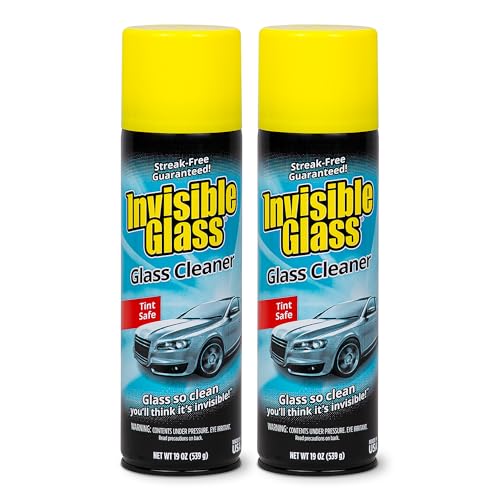 |
Invisible Glass Premium Glass Cleaner Best Overall Ammonia-free aerosol, tint-safe, 19 oz can |
9.5 |
ⓘ We may earn a commission from qualifying purchases made through links on this page, at no extra cost to you.
|
 |
Stoner Invisible Glass Cleaner Spray Runner-Up Ammonia-free trigger spray, 22 oz pump bottle |
9.3 | 🛒 Check Price |
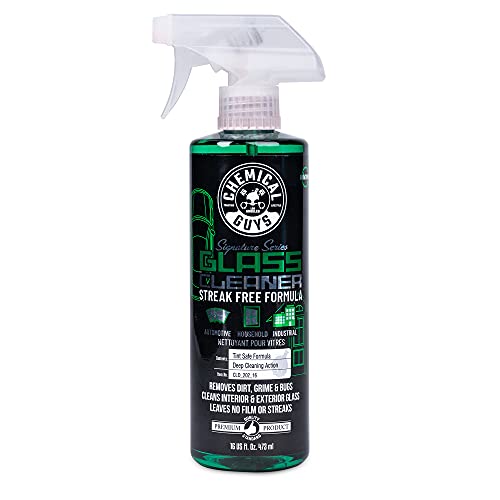 |
Chemical Guys Signature Series Glass Cleaner Best for Tinted Windows Ammonia-free, color-safe, 16 oz trigger bottle |
9.1 | 🛒 Check Price |
 |
Sprayway Glass Cleaner Aerosol Best Foaming Action Aerosol foam, perfume and ammonia-free options, 19 oz can |
8.9 | 🛒 Check Price |
 |
Meguiar's Perfect Clarity Glass Cleaner Best for Water Spots Ammonia-free trigger spray, 24 oz bottle |
8.7 | 🛒 Check Price |
 |
Armor All Auto Glass Cleaner Best for Everyday Use Trigger spray, streak-resistant formula, 22 oz bottle |
8.4 | 🛒 Check Price |
 |
3D Glass Cleaner Concentrate Best Value Concentrate Dilutable concentrate, ammonia-free, makes multiple bottles |
8.2 | 🛒 Check Price |
1. Invisible Glass Premium Glass Cleaner: Best Overall
Invisible Glass earned the top spot because it does the one thing every car glass cleaner is supposed to do and so few actually nail, it dries clear with no streaks. The ammonia-free formula means there’s no waxy carrier or soap residue left on the surface, which is exactly what creates those frustrating smears you see when the sun hits the glass at an angle. We sprayed it on a filthy interior windshield coated in months of plastic off-gas haze and it wiped clear in a single pass with a clean microfiber.
The aerosol delivery is the real trick here. The foam clings to vertical side glass and the steep rake of a windshield instead of immediately running down to the dash, so the cleaner actually has time to work on the grime. The honest weakness is consumption. An aerosol can disappears noticeably faster than a trigger-spray bottle of similar volume, and if you spray from too far back you’ll get overspray on the A-pillar trim and dash. Mask your aim, keep it tint-safe across every window, and it’s the most reliable streak-free result we found.
- Ammonia-free formula safe on aftermarket window tint and rear defroster lines
- Aerosol foam clings to vertical glass instead of running off
- Leaves no soapy residue or wax film that causes streaking
Pros: Dries to a genuinely streak-free finish even in direct sun; Cuts interior fog and off-gas haze faster than most sprays; Tint-safe so you can use it on every window in the car
Cons: Aerosol can overspray onto nearby trim if you’re heavy-handed; Can empties faster than a pump bottle of the same size
2. Stoner Invisible Glass Cleaner Spray: Runner-Up
This is the same trusted Invisible Glass formula in a trigger-pump bottle, and it lands a hair behind the aerosol only because of how it applies, not how it cleans. The ammonia-free liquid is tint-safe and flashes off quickly, so it buffs to a clear finish without the smear most household cleaners leave. We liked it most for interior glass and detail work where you want to aim a precise mist instead of a wide aerosol fan that drifts onto the dash and trim.
The trade-off versus the can is that liquid doesn’t cling. On a near-vertical side window or a steep windshield, the spray wants to run downward before you wipe, so you have to work in smaller sections and not let it sit. Still, it stretches further per ounce, gives you far more control, and produces the same crystal-clear result. If overspray on your interior plastics bothers you, this trigger bottle is the smarter buy, and it’s a true co-best with the aerosol.
- Trigger pump bottle gives controlled application with no aerosol overspray
- Ammonia-free and safe on tint, glass, and acrylic gauge covers
- Fast-flashing formula that buffs clear before it can streak
Pros: Precise trigger control with almost no overspray onto trim; Stretches further per ounce than the aerosol version; Genuinely streak-free on both interior and exterior glass
Cons: Liquid runs down vertical glass faster than the clinging foam; Needs a quick wipe before it dries to avoid edge marks
3. Chemical Guys Signature Series Glass Cleaner: Best for Tinted Windows
If your car wears aftermarket tint, ammonia is the enemy, and Chemical Guys built this one specifically to be tint-safe. Ammonia in cheap cleaners can cloud, bubble, or purple tint film over time, but this ammonia-free formula let’s wipe down a fully tinted rear window repeatedly with no haze or edge lifting. It also tackled stubborn water spots on the exterior glass that a couple of other cleaners in this test smeared around rather than removed.
The catch is application discipline. This cleaner rewards a light mist and punishes a heavy hand. When we over-sprayed, it needed a second buff to clear faint streaks, so the technique is two light sprays and an immediate wipe with a dry microfiber side. The bottle is also on the smaller side, so heavy users will reload sooner. For tint owners specifically, though, the safety margin and water-spot performance make it an easy recommendation.
- Specifically formulated ammonia-free so it won’t fade or bubble tint film
- Lifts fingerprints, smudges, and water spots without scrubbing
- Light pleasant scent that isn’t overpowering inside the cabin
Pros: One of the safest choices for aftermarket and factory tint; Wipes away water spots that other cleaners leave behind; Foams slightly to grab grime on contact
Cons: Streaks if you over-apply, so use a light mist; Smaller bottle than competing brands
4. Sprayway Glass Cleaner Aerosol: Best Foaming Action
Sprayway is the foaming workhorse of this group. The aerosol lays down a thick white foam that clings hard to vertical and even overhead glass like a sunroof, giving it time to break down baked-on bug splatter, tree sap mist, and greasy road film that a thin liquid would just slide off. Because it goes on white and wipes off clear, you can see precisely where you have already cleaned, which makes it almost foolproof on a big windshield.
The important warning is the formula. The classic blue-label Sprayway contains ammonia, which is excellent on bare glass but a poor choice for tinted windows where it can degrade the film. Use the original on your windshield and untinted glass, and reach for an ammonia-free cleaner on any tinted panel. Apply it sparingly too, because lay on too much foam and the excess drips down onto the dash before you can catch it. For raw cleaning power on plain glass, it’s hard to beat.
- Heavy clinging foam stays put on vertical and overhead glass
- Penetrates baked-on bug splatter and bird residue quickly
- Wipes off white so you can see exactly where you have cleaned
Pros: Thick foam clings to steep windshields and side windows; Cuts greasy film and bug guts with little scrubbing; Easy to see coverage because the foam goes on white
Cons: Contains ammonia in the original formula, so avoid on tint; Foam can drip onto the dash if you apply too much
5. Meguiar's Perfect Clarity Glass Cleaner: Best for Water Spots
Meguiar’s aimed Perfect Clarity at the problem most generic cleaners ignore, hard water spots. Sprinkler overspray and rain on mineral-heavy water leave etched-looking deposits that a standard cleaner just smears around. This formula actually dissolved the lighter spotting on our test windshield and side glass, leaving clear glass where other cleaners had left a cloudy ring. Being ammonia-free, it’s also safe on tint and on the edges of paint protection film.
It isn’t a magic eraser, so deeply etched, long-standing mineral stains may still need a dedicated polishing compound, and the cleaner flashes off a touch slower than the fastest sprays here, meaning you should wipe promptly to avoid drying marks. The cabin scent is mild but noticeable with the windows up. For anyone fighting recurring water spots, though, the generous 24 oz bottle and the spot-dissolving performance make it the specialist pick.
- Engineered to dissolve hard water spots and mineral deposits
- Ammonia-free so it’s safe on tint and clear bra film edges
- Large 24 oz bottle for full-detail sessions
Pros: Removes mineral water spots better than general cleaners; Tint-safe ammonia-free formula; Generous bottle size lasts through several full details
Cons: Slightly slower to flash dry, so wipe promptly; Mild chemical scent some users notice in a closed cabin
6. Armor All Auto Glass Cleaner: Best for Everyday Use
Armor All is the easy, everyday option that you can grab almost anywhere and trust for routine window upkeep. For the cleaning most owners actually do, wiping fingerprints off the inside glass, clearing light dust film, and freshening the windshield between washes, it does the job and buffs reasonably clear with a quality microfiber. The trigger covers a full windshield in a few pulls and the formula is forgiving for casual users who aren’t chasing show-car perfection.
Where it shows its limits is on the heavy stuff. Thick baked-on bug splatter and stubborn road grime needed a second application and some dwell time, where the dedicated foaming cleaners cut through in one pass. You also need a genuinely clean, dry microfiber side to finish, because a damp or dirty cloth will leave faint streaks with this one. As a convenient, no-fuss bottle for regular maintenance, it earns its place, just don’t expect it to be the strongest degreaser in the group.
- Widely available everyday formula for quick interior and exterior wipes
- Streak-resistant blend that buffs clear with microfiber
- Trigger sprayer covers a windshield in a few pulls
Pros: Easy to find and reliable for routine cleaning; Good on light interior film and fingerprints; Pleasant scent and quick application
Cons: Struggles with heavy baked-on bug splatter; Needs a clean dry cloth to avoid faint streaks
7. 3D Glass Cleaner Concentrate: Best Value Concentrate
3D’s glass cleaner comes as a concentrate, which is how professional detailers keep their supply costs sensible without sacrificing quality. You dilute it with distilled water into your own spray bottle, and one container makes far more usable cleaner than any ready-to-use bottle in this test. Mixed at the recommended ratio it’s ammonia-free and tint-safe, and it rinses clear on glass without the residue film that causes streaking. You can also mix a stronger batch for a bug-caked windshield and a lighter one for daily interior touch-ups.
The trade-off is convenience. This isn’t a grab-and-go bottle. You have to measure, mix, and supply your own sprayer and ideally distilled water to avoid mineral spotting. Get the ratio wrong by adding too much concentrate and you can actually create residue rather than prevent it, so a measuring cup matters. For anyone who details often, or maintains several cars, the sheer yield and customizable strength make it the smartest long-term value here.
- Concentrated formula you dilute to make many spray bottles
- Ammonia-free and safe for tint when mixed as directed
- Pro detailer formula that rinses clear without residue
Pros: One bottle of concentrate stretches a very long way; Ammonia-free and tint-safe at the recommended dilution; Customize strength for light cleaning or heavy grime
Cons: Requires mixing and an empty spray bottle to use; Over-concentrating can leave residue, so measure carefully
Frequently Asked Questions
Can I use household glass cleaner like Windex on my car windows?
You can in a pinch, but it isn’t ideal, especially if your car has tinted windows. Many household glass cleaners contain ammonia, which can cloud, bubble, or discolor aftermarket and factory tint film over time, and ammonia fumes are unpleasant in an enclosed cabin. Automotive glass cleaners are usually ammonia-free and formulated to cut the specific oily off-gas haze that builds up on interior car glass, so they wipe clearer with fewer streaks. If you only have a household cleaner on hand, keep it well away from any tinted panel.
Why do my car windows still streak after cleaning?
Streaks almost always come from one of three things, too much product, a dirty cloth, or cleaning in direct sun. Over-applying leaves excess cleaner that dries before you can buff it off, so use a light mist and wipe promptly. A microfiber towel that already holds wax, dressing residue, or grime will smear that film across the glass, so always finish with a clean, dry microfiber side. Finally, cleaning hot glass in direct sunlight makes the cleaner flash off too fast and leave marks, so work in the shade or early in the day.
What is the best way to clean the inside of a windshield?
The inside of the windshield collects a greasy haze from plastic and vinyl off-gassing, and it’s awkward to reach behind the steep rake. Spray an ammonia-free cleaner onto your microfiber towel rather than directly onto the glass to avoid overspray on the dash, then wipe in straight overlapping passes. A microfiber towel wrapped around a flat-head reach tool helps you get into the bottom corner where the glass meets the dash. Finish with a second dry microfiber to buff the haze clear, and you’ll notice far less glare at night.
Are ammonia-free glass cleaners worth it?
Yes, for most car owners they’re the safer choice. Ammonia cleans bare glass well, but it can degrade window tint film, dry out rubber seals, and give off harsh fumes in a closed car. Ammonia-free formulas are safe to use on every window including tinted ones, they won’t damage the edges of paint protection film, and they’re more pleasant to use inside the cabin. Unless you’re certain every window is untinted bare glass, an ammonia-free cleaner removes the guesswork and protects your tint investment.
How often should I clean my car windows?
A quick wipe of the windshield and front side windows every week or two keeps night glare and film under control, since the inside glass especially builds haze faster than people expect. The exterior glass benefits from a clean every time you wash the car, which clears road film, bug residue, and water spotting before they bake on. If you smoke in the car or park under trees and sprinkler overspray, you’ll want to clean more often. Staying ahead of the grime is far easier than scrubbing off a thick built-up layer later.
Our Verdict
For the cleanest, most reliably streak-free result on every window in your car, the Invisible Glass Premium Glass Cleaner is our top pick, thanks to its ammonia-free, tint-safe formula and clinging aerosol foam that wipes interior haze clear in one pass. If you want the same trusted formula with precise trigger control and no overspray on your trim, the Stoner Invisible Glass trigger spray is a co-best runner up that stretches further per ounce. Tint owners chasing water-spot removal should look hard at the Chemical Guys and Meguiar’s picks, while frequent detailers will get the most out of the 3D concentrate.