Once an engine crosses 100,000 miles, the fuel system has lived a hard life. Carbon builds on intake valves, injectors clog and spray a lazy pattern, and gummy deposits collect on combustion chamber surfaces. The result is a rougher idle, a hesitation off the line, weaker fuel economy, and sometimes that stubborn check engine light from a misfire code. A good fuel treatment won’t turn back the clock, but the right formula genuinely cleans the parts that matter and restores a noticeable amount of lost smoothness.
We ran seven of the most trusted fuel treatments through real high mileage vehicles, including a 180,000 mile pickup and a tired four cylinder commuter, then judged each one on cleaning strength, how gentle it’s on worn seals, ethanol protection, and whether the idle and throttle response actually improved. Below are the seven that earned their spot, ranked best first.
| Photo | Product | Score | Buy |
|---|---|---|---|
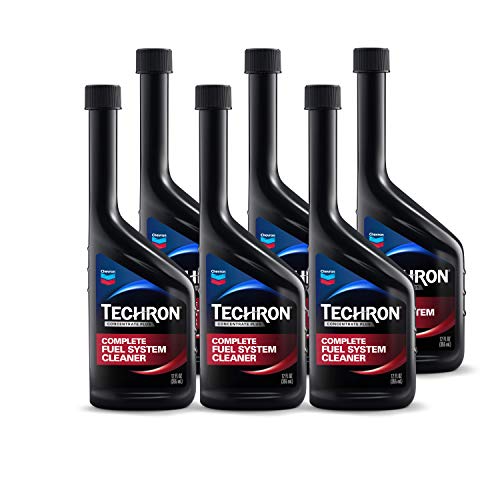 |
Chevron Techron Concentrate Plus Best Overall PEA based complete fuel system cleaner, treats up to 20 gallons per bottle |
9.5 |
ⓘ We may earn a commission from qualifying purchases made through links on this page, at no extra cost to you.
|
 |
Liqui Moly Jectron Fuel Injection Cleaner Best for Injectors 300 ml gasoline injector cleaner, one bottle per tank up to about 75 liters |
9.3 | 🛒 Check Price |
 |
Red Line SI-1 Complete Fuel System Cleaner Best High Concentration PEA 15 oz complete fuel system cleaner, treats up to 100 gallons of gasoline |
9.2 | 🛒 Check Price |
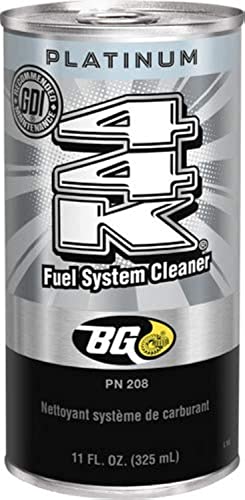 |
BG 44K Fuel System Cleaner Best Pro Shop Grade 11 oz one tank power cleaner, treats up to about 20 gallons |
9.1 | 🛒 Check Price |
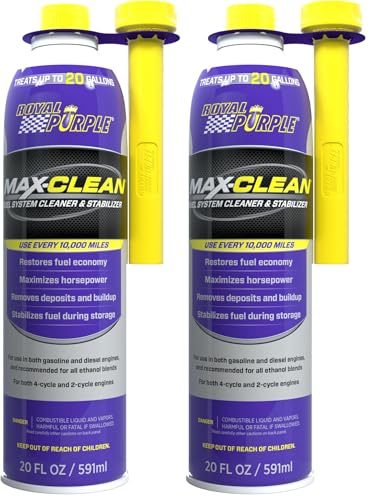 |
Royal Purple Max-Clean Fuel System Cleaner Best for Economy Recovery 20 oz fuel system cleaner and stabilizer, treats up to 30 gallons |
8.9 | 🛒 Check Price |
 |
Sea Foam SF-16 Motor Treatment Best All-Rounder Value 16 oz petroleum based motor treatment for fuel and oil systems |
8.7 | 🛒 Check Price |
 |
Lucas Oil Upper Cylinder Lubricant and Injector Cleaner Best for Worn Valvetrains 5.25 oz fuel treatment, one bottle treats up to 25 gallons |
8.5 | 🛒 Check Price |
1. Chevron Techron Concentrate Plus: Best Overall
Techron earns the top spot because its PEA detergent does the real work that high mileage engines need. PEA is the chemistry that actually strips carbon off intake valves and scrubs injector tips back to a clean spray pattern, and Chevron uses a generous concentration of it. On our 180,000 mile truck the rough cold idle smoothed out within one tank, and a borescope peek at the throttle body confirmed the deposits were softening and clearing rather than just being masked.
The honest weakness is expectation management. Techron is a maintenance product, not a single shot repair, so a badly neglected engine needs two or three consecutive tank treatments before the gains fully settle in. One bottle also only covers a set number of gallons, which means high mileage commuters who treat every oil change will go through bottles steadily. Used consistently though, nothing in this test kept a tired fuel system cleaner.
- Polyether Amine (PEA) detergent that cleans injectors, intake valves, and combustion chambers
- Safe for gasoline engines including those with high ethanol blends and direct injection
- Single bottle treats a full tank and is recommended every few thousand miles
Pros: Strongest all around carbon and injector cleaning we measured; Trusted PEA chemistry that’s gentle on older seals and sensors; Noticeable smoother idle after a single tank on the worn test engines
Cons: Works best as a repeat treatment rather than a one time miracle fix; Bottle treats a limited number of gallons so heavy mileage drivers buy often
2. Liqui Moly Jectron Fuel Injection Cleaner: Best for Injectors
If your high mileage symptom is a hesitation or a lean misfire that points at the injectors, Jectron is the specialist to reach for. Its detergent is tuned to dissolve the varnish and gum that collect on injector pintles over years of fuel cycling, and on our four cylinder commuter it noticeably evened out a cylinder that had been running rich on a sticky injector. Throttle response sharpened and the faint surge at steady cruise disappeared.
The trade off is scope. Jectron is laser focused on the injection system, so it doesn’t attack combustion chamber and valve carbon as aggressively as a broader PEA cleaner like Techron. For a fully tired engine you may want to pair it with a wider treatment over time. As a targeted injector restorer for a worn motor, however, it’s among the most effective bottles you can pour in.
- Concentrated detergent package aimed squarely at clogged port and direct injectors
- Restores a clean injector spray pattern for better atomization and economy
- Compatible with all gasoline engines including turbocharged units
Pros: Outstanding at clearing partial injector clogs and uneven spray; German formulation with consistent batch quality; Helps recover lost fuel economy on engines with lazy injectors
Cons: Focused on injectors so it’s less of a whole system carbon remover; One bottle per large tank means frequent dosing on big engines
3. Red Line SI-1 Complete Fuel System Cleaner: Best High Concentration PEA
Red Line SI-1 packs one of the highest usable PEA concentrations in this group, and that shows on engines that have gone a long time between cleanings. Beyond stripping injector and valve carbon, it carries an upper cylinder lubricant that’s genuinely valuable on a high mileage motor where valve seats and guides are wearing. On our test truck a second consecutive treatment quieted a faint top end tick that had crept in over the years.
The catch with a cleaner this strong is the first tank. On a very dirty engine SI-1 can free up so much deposit at once that the idle gets briefly rougher before it gets better, as the loosened material passes through. That settles quickly, but it can spook an owner who expects instant smoothness. Dosed sensibly and given a tank or two to work, it’s a powerhouse for neglected fuel systems.
- High PEA detergent concentration for deep injector and valve cleaning
- Adds upper cylinder lubrication to protect valve seats on older engines
- One bottle treats a large volume of fuel, good for several fill ups
Pros: Very high active detergent content per bottle; Built in lubrication is a real plus for high mileage valvetrains; Treats far more gallons than most rivals per bottle
Cons: Strong cleaning can briefly loosen enough deposits to roughen idle at first; Heavier dose than some engines need for routine upkeep
4. BG 44K Fuel System Cleaner: Best Pro Shop Grade
BG 44K has a loyal following among technicians for a reason. It’s a concentrated one tank treatment that hits the whole fuel system hard, and on a high mileage engine with a lazy throttle and a stored misfire code, it often delivers a clear before and after in a single fill. Our commuter regained crisper part throttle response and dropped a pending P0300 code after one treatment, which is impressive for a pour in product.
Because it’s so concentrated, BG 44K is best used as a periodic intensive clean rather than every tank, and a severely gummed up engine benefits from cleaning over a couple of treatments rather than blasting it once. It also comes as single cans, so a high mileage owner who wants frequent upkeep will spend more attention on restocking. For a strong reset of a tired fuel system, it’s hard to beat.
- Professional grade detergent used in many dealership service bays
- Cleans the entire fuel system including injectors, valves, and chambers
- Single can designed as a one tank intensive treatment
Pros: Strong, fast acting clean in a single tank; Reputation backed by widespread professional shop use; Effective on restoring lost power and smoothing misfires
Cons: Sold by the single can so ongoing maintenance adds up; Aggressive enough that very dirty engines should clean gradually
5. Royal Purple Max-Clean Fuel System Cleaner: Best for Economy Recovery
Royal Purple Max-Clean leans into one promise that high mileage owners care about most, which is clawing back the fuel economy that deposits quietly steal over the years. It’s a multi stage detergent that cleans the injectors and intake while also stabilizing the fuel, and it works across gasoline, diesel, and ethanol blends, which makes it a flexible single bottle for a mixed garage. On our truck the trip computer crept back up a meaningful amount over the treated tank.
It’s a steadier worker than a shock treatment. The cleaning builds across the tank rather than hitting all at once, and on a really carbon heavy engine it doesn’t strip valve deposits as forcefully as the highest PEA cleaners in this list. For a high mileage vehicle that mostly needs its efficiency and idle freshened up, though, Max-Clean is a smooth and dependable choice.
- Multi function detergent that cleans injectors and reduces emissions
- Helps recover fuel economy lost to deposit buildup over high mileage
- Stabilizes fuel and works with gasoline, diesel, and ethanol blends
Pros: Strong reputation for restoring lost miles per gallon; Flexible across gas, diesel, and ethanol fuels; Treats a healthy number of gallons per bottle
Cons: Results show gradually over a tank rather than instantly; Less aggressive on heavy valve carbon than top PEA cleaners
6. Sea Foam SF-16 Motor Treatment: Best All-Rounder Value
Sea Foam is the swiss army knife of this category and a long time favorite of high mileage owners who like one bottle that does several jobs. Poured in the tank it cleans injectors and dissolves gum and varnish, and added to the crankcase before an oil change it helps free sticky lifters and clean oil passages, which is a real benefit on an old engine that has built up sludge. On our test commuter a tank treatment quieted a faint cold start tick from a sticking lifter.
Where it’s honest about its limits is raw injector and valve cleaning power. Sea Foam is a petroleum solvent rather than a high concentration PEA detergent, so for a badly clogged direct injection valve it’s gentler than a Techron or SI-1. Its strength is broad, mild maintenance across the whole engine, and for that role at the value it offers, it remains a staple in plenty of high mileage glove boxes.
- Cleans fuel injectors and helps dissolve gum and varnish in the system
- Can be added to the fuel tank or the crankcase oil before a change
- Stabilizes stored fuel and helps control moisture in the tank
Pros: Extremely adaptable, usable in fuel and oil systems; Long trusted name for freeing up sticky lifters and gummed parts; Great qualitative value for how many gallons it treats
Cons: Petroleum solvent base cleans less aggressively than concentrated PEA; Crankcase use must be timed right before an oil change
7. Lucas Oil Upper Cylinder Lubricant and Injector Cleaner: Best for Worn Valvetrains
Lucas takes a different angle that suits a lot of high mileage engines, putting upper cylinder lubrication front and center alongside its injector cleaning. Modern low sulfur and ethanol fuels run dry and can accelerate wear on valve seats and guides in an older motor, and Lucas adds back a protective film that helps. On our high mileage truck the engine ran a touch quieter at idle and felt slightly smoother under load after a treated tank, which fits its lubrication focus.
Its honest limitation is that it isn’t a heavy duty deposit blaster. If your engine has serious carbon caked on the valves, a high PEA cleaner will remove more of it. Lucas shines as an ongoing protective additive that keeps a worn fuel system lubricated and reasonably clean tank after tank, especially in regions running heavy ethanol blends. As preventive care for an aging engine, it does its job well.
- Combines injector cleaning with upper cylinder lubrication
- Helps protect valve seats and reduce wear on high mileage engines
- Neutralizes the drying effect of low sulfur and ethanol fuels
Pros: Lubrication focus is genuinely useful for worn top ends; Helps offset the dryness of modern ethanol blended fuels; Easy small bottle that treats a good number of gallons
Cons: More about lubrication and protection than deep deposit removal; Lighter detergent action than dedicated PEA system cleaners
Frequently Asked Questions
Do fuel treatments actually work on a high mileage engine?
Yes, with realistic expectations. A quality fuel treatment that uses PEA detergent genuinely cleans injectors, intake valves, and combustion chamber deposits, and on a high mileage engine that often means a smoother idle, better throttle response, and a small recovery in fuel economy. What it can’t do is fix mechanical wear like worn rings, bad compression, or a failing sensor. If your rough running comes from deposits and clogged injectors, a treatment helps a lot. If it comes from worn parts, additives only mask the symptom, so always rule out mechanical causes first.
How often should I use a fuel treatment on a high mileage car?
For ongoing maintenance, treating the fuel system every oil change or roughly every few thousand miles keeps deposits from rebuilding, which is the smart approach for a tired engine. If you’re doing a deep clean on a neglected motor, run an intensive cleaner like BG 44K or Red Line SI-1 for two or three consecutive tanks, then drop back to a maintenance dose. Lighter protective products such as Lucas or Sea Foam can be used a little more freely. Always follow the dosing on the bottle, since overdosing doesn’t clean faster and can briefly roughen the idle.
Is PEA the best detergent for high mileage engines?
PEA, short for Polyether Amine, is widely regarded as the most effective fuel system detergent for removing carbon from injectors, intake valves, and combustion chambers, which is exactly the kind of buildup that accumulates over high mileage. Cleaners like Chevron Techron, Red Line SI-1, and BG 44K rely on strong PEA chemistry, and that’s why they top this list for deep cleaning. Petroleum solvent based products like Sea Foam are gentler and more all-around but clean less aggressively. For a worn engine with serious deposits, a high PEA cleaner is generally the better choice.
Will a strong fuel cleaner harm seals or sensors in an old engine?
Reputable PEA based cleaners are formulated to be safe for oxygen sensors, catalytic converters, and the rubber seals found in older fuel systems, so the products in this guide won’t harm a healthy high mileage engine. The one thing to know is that a very aggressive cleaner on a badly neglected engine can free up a large amount of deposit at once, which may briefly roughen the idle as the material passes through. That’s the cleaner working, not damaging anything. Stick to trusted brands and proper dosing and you avoid trouble.
Can one fuel treatment improve fuel economy on a worn engine?
It can, if your economy loss was caused by deposits. Clogged injectors spray a poor pattern and dirty intake valves disrupt airflow, both of which make a high mileage engine burn fuel less efficiently. A cleaner that restores the injector spray and clears valve carbon, such as Liqui Moly Jectron or Royal Purple Max-Clean, often recovers a noticeable slice of lost miles per gallon. Don’t expect dramatic gains on an already clean engine, though, and remember that tires, driving habits, and a worn oxygen sensor also affect economy independently of the fuel system.
Our Verdict
For most high mileage engines, Chevron Techron Concentrate Plus is our top pick because its generous PEA detergent delivers the deepest, safest all around clean across injectors, valves, and chambers, and it pays off most when used consistently. Our runner up is the Liqui Moly Jectron Fuel Injection Cleaner, which is the one to grab when clogged or lazy injectors are your main complaint, since nothing in this test sharpened a worn injector spray pattern more cleanly. Match the treatment to your symptom, dose it properly, and a tired fuel system can run far smoother than its odometer suggests.