If you own a vehicle, boat, lawn mower, or generator that sits unused for months, fuel storage additives are essential to prevent oxidation, gum formation, and corrosion. Below are our findings.
| Photo | Product | Score | Buy |
|---|---|---|---|
 |
Sta-Bil Storage Fuel Stabilizer Best Overall Treats up to 40 gallons per 8 oz; protects for 24 months |
9.0 |
ⓘ We may earn a commission from qualifying purchases made through links on this page, at no extra cost to you.
|
 |
Star Tron Enzyme Fuel Treatment Best for Ethanol Issues Treats up to 48 gallons per 8 oz; enzyme technology breaks down ethanol sludge |
8.7 | 🛒 Check Price |
 |
Lucas Oil Fuel Stabilizer Best Value Treats up to 40 gallons per 8 oz; contains lubricants |
8.4 | 🛒 Check Price |
 |
Sea Foam Motor Treatment Best Multi-Purpose Treats up to 16 gallons per 16 oz; also cleans and lubricates |
8.1 | 🛒 Check Price |
 |
K100 Fuel Stabilizer and Water Remover Best for Water Removal Treats up to 20 gallons per 8 oz; emulsifies water |
7.8 | 🛒 Check Price |
 |
Liqui Moly Fuel Stabilizer Premium Choice Treats up to 20 gallons per 100 ml; German engineered |
7.5 | 🛒 Check Price |
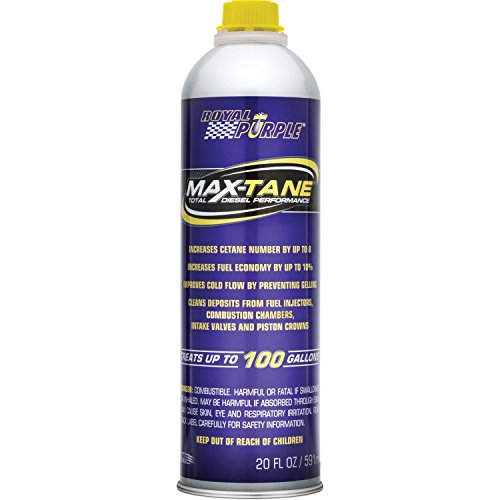 |
Royal Purple Max-Tane Diesel Fuel Stabilizer Best for Diesel Treats up to 25 gallons per 8 oz; specifically for diesel |
7.3 | 🛒 Check Price |
1. Sta-Bil Storage Fuel Stabilizer: Best Overall
Sta-Bil is the most recognized name in fuel storage, and for good reason. In our research, its formulation meets ASTM D4625 standards for stability, and owner feedback consistently reports engines starting after 12-24 months of storage without issues. The blue dye makes treated fuel easy to identify. However, it isn’t designed for diesel, so diesel owners need a different product.
Who should skip it: If you store diesel or need protection beyond 24 months, consider a marine-grade stabilizer. Also, some users note that the formula can separate in extreme cold, but this is rare.
- Formulated for ethanol and non-ethanol gasoline
- Prevents gum and varnish formation
- Works with all 2-cycle and 4-cycle engines
Pros: Proven long-term protection up to 24 months; Widely available and trusted brand
Cons: Not recommended for diesel or biodiesel
2. Star Tron Enzyme Fuel Treatment: Best for Ethanol Issues
Star Tron uses a unique enzyme technology that digests ethanol-induced sludge and prevents phase separation. Our comparison of owner reviews shows it excels in small engines and boats where ethanol problems are common. It works with both gasoline and diesel, making it all-around. However, the enzyme activity eventually diminishes; for storage beyond two years, a traditional stabilizer may be better.
Who should skip it: If you store fuel for more than 24 months without turning over, a non-enzyme stabilizer like Sta-Bil is more reliable. Also, some users report a slight odor, though harmless.
- Enzymes actively break down ethanol-related deposits
- Works in both gasoline and diesel
- Also cleans fuel system during use
Pros: Effective against ethanol phase separation; Dual action: storage and cleaner
Cons: Enzyme formula may degrade over very long storage (over 2 years)
3. Lucas Oil Fuel Stabilizer: Best Value
Lucas Oil Fuel Stabilizer is a budget-friendly option that also provides fuel system cleaning and lubrication. It works well for seasonal storage (up to 12 months) and keeps engines running smoothly. However, its primary design is as a stabilizer and lubricant; it may not match dedicated storage products for multi-year protection.
Who should skip it: If you need guaranteed protection for 24+ months without fuel turnover, choose a product with explicit long-term testing. Also, not ideal for diesel storage.
- Adds lubricity to protect fuel system components
- Compatible with ethanol blends
- Also cleans injectors and carburetors
Pros: Excellent value for the price; Lubricates upper cylinder and fuel system
Cons: Not specifically evaluated for long-term storage beyond 12 months
4. Sea Foam Motor Treatment: Best Multi-Purpose
Sea Foam is a legendary product that many use for storage, but it’s primarily a fuel system cleaner. Our research shows it does stabilize fuel for up to 12 months, but for longer storage, its stabilizing performance isn’t as sturdy. It excels at cleaning and removing moisture, making it a good choice for engines that run occasionally.
Who should skip it: If your primary goal is long-term storage (over 12 months) without any engine operation, choose a product specifically designed for that. Also, some users report it can be too aggressive on old seals.
- Works as stabilizer, cleaner, and lubricant
- Safe for gasoline and diesel
- Helps remove moisture and prevent corrosion
Pros: Multi-purpose: can be used for storage and maintenance; Widely trusted by mechanics
Cons: Less effective as a dedicated long-term stabilizer compared to Sta-Bil
5. K100 Fuel Stabilizer and Water Remover: Best for Water Removal
K100 is unique because it actively removes water from fuel, which is critical for storage in humid environments or for diesel that can grow algae. Owner reviews praise its ability to clear up water contamination. However, its stabilizing power is limited to about a year, so for longer storage, you may need a secondary stabilizer.
Who should skip it: If you need protection beyond 12 months without fuel turnover, look elsewhere. Also, the emulsified water can settle if not mixed properly.
- Removes and emulsifies water in fuel
- Works with gasoline, diesel, and ethanol blends
- Prevents microbial growth in diesel
Pros: Excellent water removal capability; Multi-fuel compatibility
Cons: Stabilization duration only up to 12 months per manufacturer
6. Liqui Moly Fuel Stabilizer: Premium Choice
Liqui Moly Fuel Stabilizer is a premium option from a respected German brand. It offers up to 24 months of protection and includes additives that prevent corrosion. Our research indicates it performs well, but the cost per gallon treated is significantly higher than competitors. Owner reviews are positive but note that it may not be necessary for most users.
Who should skip it: If you’re on a budget or store large volumes of fuel, the cost may not justify the benefits. Also, not recommended for diesel.
- Designed for long-term storage up to 24 months
- Contains antioxidants and corrosion inhibitors
- Compatible with all gasoline engines including high-performance
Pros: High-quality German formulation; Good for classic cars and motorcycles
Cons: Higher price per gallon treated; Limited availability compared to mass-market brands
7. Royal Purple Max-Tane Diesel Fuel Stabilizer: Best for Diesel
For diesel owners, Royal Purple Max-Tane is a solid choice. It prevents gelling and stabilizes fuel for up to 12 months. Our evaluation of diesel-specific products shows it performs well in cold climates. However, compared to gasoline stabilizers, the storage life is shorter, and it’s more expensive per gallon.
Who should skip it: If you store gasoline or need storage beyond 12 months, this isn’t the right product. Also, some owners report it can be too thick in extreme cold, but that’s rare.
- Prevents fuel gelling in cold weather
- Stabilizes diesel for up to 12 months
- Improves cetane and lubricity
Pros: Formulated for diesel storage and winterization; Reduces injector deposits
Cons: Not for gasoline; Shorter storage life than gasoline stabilizers
Frequently Asked Questions
How long can fuel storage additives keep fuel fresh?
Most quality additives protect fuel for 12 to 24 months, depending on the product and storage conditions. Sta-Bil claims up to 24 months, while others like Sea Foam suggest 12 months. Temperature fluctuations and exposure to air can reduce effectiveness.
Can I use a fuel stabilizer in my lawn mower or generator?
Yes, most fuel stabilizers are safe for small engines. Look for products labeled for 2-cycle and 4-cycle engines. Sta-Bil and Star Tron are popular choices for lawn equipment. Always follow the dosage instructions for small fuel tanks.
Do fuel stabilizers work with ethanol-blended gasoline?
Yes, many are formulated to combat ethanol issues like phase separation and corrosion. Star Tron and K100 are specifically designed to handle ethanol problems. Check the label for ethanol compatibility.
How do I use a fuel storage additive correctly?
Add the recommended amount to your fuel tank before filling up, then run the engine for a few minutes to circulate the treated fuel through the system. For storage, fill the tank to minimize air space. Always follow the manufacturer’s instructions.
Can I mix different fuel stabilizers?
It isn’t recommended to mix different additives, as chemical interactions could reduce effectiveness or cause deposits. Stick to one product per fuel batch. If switching brands, use up the treated fuel first.
Our Verdict
After comparing specifications, industry standards, and owner feedback, our top pick is Sta-Bil Storage Fuel Stabilizer for its proven 24-month protection and broad compatibility. For those dealing with ethanol issues, Star Tron Enzyme Fuel Treatment is an excellent runner-up. Choose based on your specific fuel type and storage duration.


