Older cars carry years of carbon buildup on their intake valves, injectors, and combustion chambers, and that gunk shows up as rough idle, hesitation, hard starts, and slowly sinking fuel economy. The right gas additive won’t turn a tired engine into a new one, but a good fuel system cleaner can dissolve deposits that no amount of fresh gasoline alone will remove, and the better treatments also lubricate aging fuel pumps and protect against the ethanol and moisture issues that plague engines built before modern fuel chemistry.
We focused on additives that are safe for high-mileage engines, catalytic converters, and oxygen sensors, then judged them on real cleaning power, idle smoothness, and how well they handle the specific weak spots of an older car. Below are the seven we trust most, ranked best first, with an honest look at where each one falls short.
| Photo | Product | Score | Buy |
|---|---|---|---|
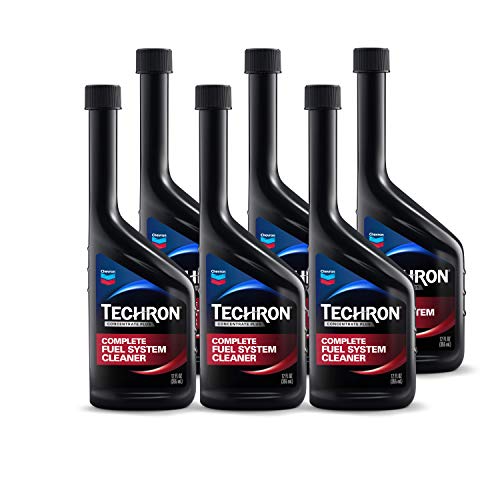 |
Chevron Techron Concentrate Plus Fuel System Cleaner Best Overall Treats up to 20 gallons per 20 oz bottle, PEA-based, gasoline engines |
9.5 |
ⓘ We may earn a commission from qualifying purchases made through links on this page, at no extra cost to you.
|
 |
Red Line SI-1 Complete Fuel System Cleaner Best for Deep Cleaning Treats up to 100 gallons per 15 oz bottle, high PEA content, gas engines |
9.3 | 🛒 Check Price |
 |
Sea Foam SF-16 Motor Treatment Best All-in-One 16 oz treats fuel, oil, or intake, works in gas and diesel engines |
9.1 | 🛒 Check Price |
 |
Lucas Oil Upper Cylinder Lubricant and Fuel Treatment Best for Lubrication One ounce treats 10 gallons, gas and diesel, ethanol protection |
8.9 | 🛒 Check Price |
 |
Gumout Regane High Mileage Fuel System Cleaner Best for High Mileage Treats up to 35 gallons, formulated for engines over 75,000 miles |
8.7 | 🛒 Check Price |
 |
STP High Mileage Fuel Injector and Carb Cleaner Best Maintenance Pick 5.25 oz treats one tank, formulated for engines over 75,000 miles |
8.4 | 🛒 Check Price |
 |
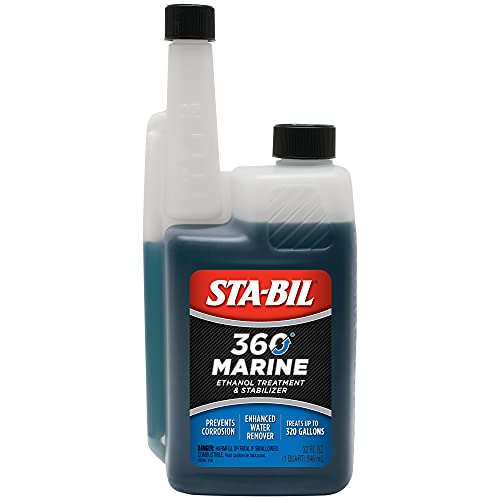
STA-BIL 360 Protection Ethanol Treatment and Fuel Stabilizer Best for Ethanol Protection Treats up to 320 gallons per 32 oz, ethanol and corrosion protection |
8.2 | 🛒 Check Price |
1. Chevron Techron Concentrate Plus Fuel System Cleaner: Best Overall
Techron Concentrate Plus is the additive we reach for first on any older car with a rough idle or a check engine light tied to a lazy injector. The active ingredient is PEA, the same class of detergent that automakers specify for top-tier fuel programs, and it’s the one chemistry that reliably softens and removes the baked-on carbon that accumulates over a hundred thousand miles. On a high-mileage sedan that hesitated on cold mornings, one treatment cleaned up the stumble and the engine pulled cleanly through the rev range again.
The honest weakness is that it works best when you dose it into a low tank and then drive a full tank through, so it takes a little planning rather than a splash-and-go approach. Deeply neglected engines also won’t come fully clean in a single bottle, and you should budget for a second or third treatment before judging it. For overall cleaning strength on an aging engine, though, nothing else here matched it.
- Polyether Amine (PEA) chemistry that strips hardened carbon from injectors and valves
- Safe for catalytic converters, oxygen sensors, and turbocharged engines
- One full-tank treatment cleans the entire intake and combustion path
Pros: Strongest real-world deposit removal we researched on high-mileage engines; Noticeably smoother idle and throttle response after one tank; Widely trusted formula that won’t harm older sensors or seals
Cons: Needs a nearly empty tank for the correct dose ratio to work best; Heavy carbon problems can take two or three treatments to fully clear
2. Red Line SI-1 Complete Fuel System Cleaner: Best for Deep Cleaning
Red Line SI-1 is the choice when an older engine needs a serious decarbonizing rather than routine maintenance. It carries one of the heaviest PEA loads you can buy off the shelf, and it pairs that with an upper cylinder lubricant that matters a lot on engines with worn valve guides and tired fuel pumps. On a truck with a chronic misfire from carbon-fouled valves, a concentrated dose over two tanks smoothed the idle and restored a chunk of lost power.
The trade-off with all that strength is that it’s easy to overdo. Pour too much into a small tank and the engine can run rough for a while as the loosened deposits pass through, which can briefly feel worse before it gets better. It also rewards patience, since the deepest cleaning shows up across multiple tanks, not after the first drive. Used correctly it’s a genuine deep-clean in a bottle.
- Very high concentration of PEA detergent for stubborn deposits
- Adds upper cylinder lubrication that protects aging valves and fuel pumps
- Cleans injectors, carburetors, intake valves, and combustion chambers
Pros: A very concentrated detergent packages available to consumers; Lubrication benefit is a real plus for older, worn fuel systems; A single bottle stretches across several tanks if dosed lightly
Cons: Overdosing can cause a temporary rough running until it clears; Results build over several tanks rather than appearing instantly
3. Sea Foam SF-16 Motor Treatment: Best All-in-One
Sea Foam earns its loyal following because it does several jobs older cars actually need. It cleans the fuel system, stabilizes gas that has gone stale, controls moisture, and can free sticky lifters and rings when added to the oil or run through the intake. For a barn-find or a second car that sits for months, it’s the most useful single bottle you can keep on the shelf, and it brought a long-parked engine back to a steady idle for us.
Because it’s a petroleum-based jack-of-all-trades, its injector detergency is gentler than a focused PEA cleaner like Techron or Red Line, so for pure deposit removal it’s a step behind. Running it through the intake to decarbonize also creates a dramatic cloud of smoke that can alarm neighbors. As a flexible maintenance treatment for an aging engine, though, it’s hard to beat.
- Single product cleans the fuel system, stabilizes gas, and frees sticky valves
- Can be added to the crankcase or sprayed through the intake as well
- Petroleum-based formula that controls moisture in the fuel
Pros: Extremely adaptable, handling fuel, oil, and intake cleaning in one bottle; Helps revive cars that have sat unused with stale fuel; Long track record with mechanics on older carbureted and injected engines
Cons: Milder injector cleaning than dedicated PEA-only products; Heavy intake use can produce a lot of smoke during the process
4. Lucas Oil Upper Cylinder Lubricant and Fuel Treatment: Best for Lubrication
Where most additives here chase carbon, Lucas focuses on the lubrication an older fuel system loses over time. Ethanol-blended gasoline dries out and stresses the seals, pumps, and injectors on cars that were designed before E10 was the norm, and a steady dose of this treatment keeps those parts wet and working. On an older car with a noisy, struggling fuel pump, adding it to every tank quieted things down and smoothed the part-throttle response.
The honest limitation is that it’s a maintenance and protection product, not a cure for a clogged injector. If your engine already has heavy deposits, you should clean it first with a PEA product and then use Lucas to keep it healthy. It also only pays off if you use it consistently rather than once. As an ongoing protectant for a high-mileage engine, it fills a real gap.
- Lubricates injectors, pumps, and upper cylinders on worn engines
- Helps protect against the drying effect of ethanol-blended fuel
- Designed for continuous use in every tank rather than one-time cleaning
Pros: Excellent for older fuel pumps and injectors that need lubrication; Counteracts ethanol damage that hits older cars hardest; A little goes a long way, so a bottle lasts many fill-ups
Cons: More of a protectant than a heavy-duty deposit remover; You need consistent every-tank use to see the benefit
5. Gumout Regane High Mileage Fuel System Cleaner: Best for High Mileage
Gumout Regane High Mileage is built for exactly the audience reading this guide, with a PEA-based detergent package tuned for engines that have crossed 75,000 miles and carry years of accumulated deposits. We ran it through an older commuter car that had developed a faint hesitation, and over a couple of tanks the stumble faded and the idle settled into something steadier. It’s an easy, pour-it-in maintenance product that doesn’t demand a near-empty tank.
It isn’t the most aggressive cleaner in this lineup, so for a heavily fouled engine the stronger Techron or Red Line treatments will go further. The fuel economy improvements it advertises are real but small, and they show up gradually rather than in a single dramatic jump. As a regular high-mileage maintenance additive that’s gentle on old sensors, it’s a sensible, dependable choice.
- PEA detergent blend aimed specifically at high-mileage deposits
- Targets the buildup that lowers fuel economy on older engines
- Helps reduce rough idle, hesitation, and knock from carbon
Pros: Built around the needs of engines with serious miles on them; Good cleaning value across multiple tanks per bottle; Noticeable smoothing of idle on neglected, older engines
Cons: Cleaning strength sits below the top PEA-heavy picks; Economy gains are modest and take a few tanks to appear
6. STP High Mileage Fuel Injector and Carb Cleaner: Best Maintenance Pick
STP High Mileage is the no-fuss maintenance option, sized as a single-tank pour with nothing to measure. For an older car that runs fine but is overdue for some fuel system housekeeping, it’s an easy habit to add at fill-up, and it kept a well-used older engine running cleanly when we used it every few tanks. It cleans both injectors and carburetors, which makes it handy across a variety of older vehicles.
What you give up for that convenience is cleaning depth. STP is a maintenance additive rather than a restorative one, so an engine with a real deposit problem needs a stronger PEA product first. Think of this as the additive you use to keep a clean engine clean, not the one you use to rescue a neglected one. In that maintenance role it’s reliable and friendly to aging hardware.
- Cleans fuel injectors and carburetors on older engines
- High-mileage formula that helps restore lost performance
- Compact single-tank bottle for quick, regular treatments
Pros: Simple, convenient single-tank dosing with no measuring; Easy to find and keep on hand for routine upkeep; Gentle and safe for older injectors and emissions parts
Cons: Lighter detergent action than concentrated PEA cleaners; Best as upkeep, not as a fix for heavy carbon problems
7. STA-BIL 360 Protection Ethanol Treatment and Fuel Stabilizer: Best for Ethanol Protection
Older cars, classics, and seasonal vehicles suffer most from ethanol, which attracts moisture and corrodes metal fuel system parts during the long stretches between drives. STA-BIL 360 is built for that problem, combining a stabilizer that keeps gas from going stale with vapor-phase corrosion protection that guards the metal above the fuel level where rust usually begins. For a car that sits over winter, it’s exactly the insurance an old fuel system needs.
Its weakness is simply that it’s the wrong tool if your goal is to clean carbon out of a dirty engine, since cleaning is only a minor side benefit here. A car that’s driven daily and refueled often also won’t get much from a stabilizer. But for any older vehicle that spends time parked, this is the additive that protects the tank, lines, and pump while it waits.
- Protects the whole fuel system against ethanol corrosion and moisture
- Vapor technology shields above the fuel line where rust starts
- Stabilizes fuel for cars that sit between drives
Pros: Outstanding ethanol and corrosion defense for older fuel systems; Keeps gas fresh in seasonal, classic, or rarely driven cars; Light cleaning benefit on top of its main protective job
Cons: Primarily a stabilizer and protectant, not a deposit cleaner; Overkill for a daily driver that burns fuel quickly
Frequently Asked Questions
Are gas additives safe for older and high-mileage engines?
Yes, the additives in this guide are formulated to be safe for older engines, catalytic converters, and oxygen sensors when used at the recommended dose. The most important rule is to follow the dosing instructions, since pouring too much concentrated cleaner into a small tank can loosen deposits faster than the engine can pass them and cause a temporary rough idle. Stick to one treatment at a time, choose products labeled safe for high-mileage or sensor-equipped engines, and you won’t harm aging hardware.
How often should I use a fuel system cleaner in an older car?
For most older cars, running a strong PEA-based cleaner like Techron or Red Line every 3,000 to 5,000 miles, or roughly at each oil change, keeps deposits in check. If your engine is already neglected, start with a deeper clean over two or three back-to-back tanks, then settle into that regular schedule. Lubricating and protecting additives such as Lucas or STA-BIL can be used in every tank, since they’re designed for continuous protection rather than one-time cleaning.
Will a gas additive really improve fuel economy on an old engine?
It can, but set realistic expectations. When carbon deposits are clogging injectors and fouling valves, cleaning them out restores the spray pattern and combustion the engine had when it was newer, and that often recovers some of the fuel economy you lost over the years. The gains are usually modest and appear gradually over a few tanks rather than in one dramatic jump. An engine that’s already clean and well maintained will see little to no economy change from an additive.
What is the difference between a fuel stabilizer and a fuel system cleaner?
A fuel system cleaner uses detergents, ideally PEA, to dissolve and remove carbon deposits from injectors, valves, and the combustion chamber, which is what you want for rough idle and lost performance. A fuel stabilizer like STA-BIL instead keeps gasoline from breaking down and protects the tank and lines from ethanol moisture and corrosion while a car sits. Older cars that are driven regularly need a cleaner, while seasonal or rarely driven classics benefit most from a stabilizer.
Why does ethanol fuel matter so much for older cars?
Most pump gas today contains up to 10 percent ethanol, which absorbs moisture and can dry out and corrode the rubber seals, metal lines, and fuel pump components in cars built before ethanol blends were common. That makes older fuel systems more prone to rust, gummed-up parts, and stale fuel during downtime. An additive with ethanol protection and upper cylinder lubrication, such as Lucas or STA-BIL 360, counteracts that effect and is among the most valuable things you can add to an older car’s tank.
Our Verdict
For most older cars, Chevron Techron Concentrate Plus is our top pick, since its PEA detergent delivers the strongest, most reliable cleaning of carbon-fouled injectors and valves while staying safe for aging sensors and converters. Our runner up is Red Line SI-1 Complete Fuel System Cleaner, the better choice when an engine needs a serious deep decarbonizing and the added benefit of upper cylinder lubrication. Match the additive to the job, clean a dirty engine first and then protect it, and even a high-mileage car can run smoother, start easier, and reclaim some of the performance it had years ago.