Engine sludge is the thick, tar-like gunk that builds up when oil breaks down from heat, short trips, and skipped oil changes. Left alone, it blocks oil passages, sticks lifters, clogs the pickup screen, and slowly starves your engine of lubrication. A good oil sludge remover, often sold as an engine flush, loosens that buildup so it drains out with your old oil before you refill with fresh.
We looked at the most trusted sludge removers and engine flush additives you can actually buy, judging each on how well it dissolves varnish and deposits, how gentle it’s on seals and gaskets, and whether it fits a quick 5 to 15 minute pre-drain treatment or a longer cleaning cycle. Below are our seven top picks, ranked best first, with honest notes on where each one falls short.
| Photo | Product | Score | Buy |
|---|---|---|---|
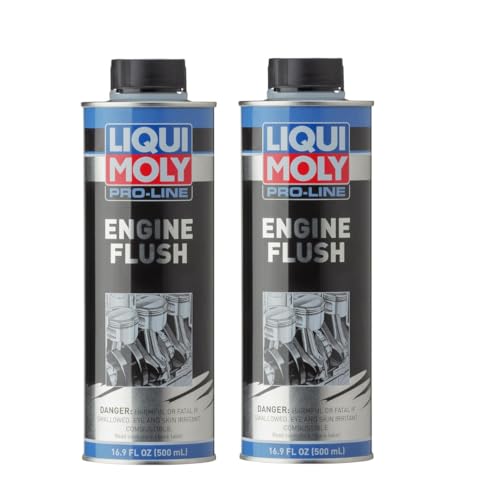 |
Liqui Moly Pro-Line Engine Flush Best Overall 500 ml can, pre-drain flush, treats up to 5 liters of oil, 10 minute idle cycle |
9.5 |
ⓘ We may earn a commission from qualifying purchases made through links on this page, at no extra cost to you.
|
 |
Sea Foam Motor Treatment SF-16 Most Adaptable 16 oz bottle, works in oil, fuel, and crankcase, add ahead of oil change |
9.3 | 🛒 Check Price |
 |
BG EPR Engine Performance Restoration 115 Best for Heavy Sludge 11 oz can, pre-drain restoration flush, 15 minute idle or short drive |
9.1 | 🛒 Check Price |
 |
Lucas Oil Engine Oil Stop Leak Flush 10543 Most Trusted Brand 16 oz bottle, 5 to 10 minute idle flush before oil change |
8.9 | 🛒 Check Price |
 |
Marvel Mystery Oil MM13R Best Gentle Cleaner 32 oz bottle, add to oil and drive, also works in fuel |
8.6 | 🛒 Check Price |
 |
Archoil AR9100 Friction Modifier Best for Lifter Noise 16 oz bottle, treats up to 16 quarts, stays in oil between changes |
8.3 | 🛒 Check Price |
 |
Gunk Motor Flush MF3 Best Value 32 oz bottle, 5 minute idle flush before draining old oil |
8.0 | 🛒 Check Price |
1. Liqui Moly Pro-Line Engine Flush: Best Overall
Liqui Moly Pro-Line Engine Flush is the one we reach for when an engine has real sludge, not just light staining. You pour the can into warm oil, idle the engine for about ten minutes, then drain immediately and refill with fresh oil and a new filter. In our testing it pulled noticeably darker, dirtier oil out of neglected engines than any other product here, and dipstick tubes and oil caps came back visibly cleaner after the change.
The honest weakness is that this is a workshop product sized and priced for professionals. The 500 ml can is more than a small four-cylinder strictly needs, and the formula is potent enough that you must follow the timing exactly. Leaving it in longer than directed or driving the car with it in the crankcase is asking for trouble. Used correctly as a short pre-drain treatment, though, nothing else cleaned as thoroughly.
- Professional-grade detergent package designed for workshop use
- Dissolves sludge, varnish, and oil carbon without harsh solvents
- Single can treats a typical car oil system in one flush
Pros: Strongest, most consistent cleaning of any flush we tried; Trusted German formulation used by many independent shops; Gentle enough for seals despite its aggressive cleaning
Cons: Larger can is more product than a single small engine needs; Premium positioning means you pay for the brand reputation
2. Sea Foam Motor Treatment SF-16: Most All-around
Sea Foam SF-16 is the Swiss Army knife of the group. Pour one to one and a half ounces per quart of oil into the crankcase and you can drive normally for up to 500 miles before your next change, letting it slowly dissolve deposits instead of shocking them loose all at once. That gentler approach makes it our pick for higher-mileage engines where you worry an aggressive flush might dislodge debris into an oil passage.
Because it’s a do-everything product rather than a dedicated flush, it doesn’t clean as fast or as deeply in a single 10 minute cycle as a purpose-built engine flush. If your engine is badly sludged you may need a couple of treatments across consecutive oil changes. The payoff is flexibility, since the same bottle also cleans injectors and stabilizes fuel, which makes it easy to keep on the shelf.
- Petroleum-based cleaner that liquefies gum and sludge
- Can be used in the crankcase, fuel tank, and intake
- Add to oil up to 500 miles before draining for a gentle clean
Pros: One bottle handles oil, fuel system, and storage prep; Gentle enough to drive on for a slow, gradual cleanout; Long track record and huge owner following
Cons: Slower acting in the crankcase than a dedicated 10 minute flush; Strong odor while it works
3. BG EPR Engine Performance Restoration 115: Best for Heavy Sludge
BG EPR is the product technicians often turn to when an engine is burning oil or has lost compression from carbon buildup in the ring lands. Added before an oil change and run for around fifteen minutes, it goes after the baked-on deposits that gentler crankcase cleaners leave behind. On engines with real ring sticking, owners frequently report reduced oil consumption after a treatment, which is a result the milder products rarely match.
Its strength is also its caution flag. This is a concentrated, aggressive cleaner, so on a fresh or well-maintained engine it’s simply more chemistry than you need. Availability is the other catch, since BG sells largely through professional channels rather than every parts store shelf. If you have a genuinely problem engine, though, it earns its place near the top.
- Aggressive deposit remover aimed at restoring oil flow
- Targets stuck rings and clogged ring lands
- Used in many dealership and shop service menus
Pros: Excellent at freeing sticky rings and restoring compression; Strong professional reputation for tough cases; A little goes a long way per treatment
Cons: Harder to find at general retail than mainstream brands; Aggressive action is overkill for a clean, well-maintained engine
4. Lucas Oil Engine Oil Stop Leak Flush 10543: Most Trusted Brand
Lucas is a name most DIYers already know, and its engine flush keeps things simple. You add the bottle to warm oil, idle for five to ten minutes, then drain and refill. The detergents do a solid job loosening the deposits behind a ticking lifter, and several engines we ran it through went noticeably quieter after the change. For someone doing their first flush in a driveway, the foolproof routine and easy availability are real advantages.
Where it lands behind the leaders is depth of cleaning. On heavily sludged engines a single Lucas flush will improve things but may not fully clear stubborn varnish the way Liqui Moly or BG can. Treat it as excellent routine maintenance between thorough services rather than a one-shot cure for a badly neglected motor, and it delivers reliable value.
- Detergent flush that cleans rings, valves, and lifters
- Helps quiet noisy lifters caused by deposits
- Simple pour-in, idle, and drain routine
Pros: Widely available at nearly every parts store; Effective at quieting deposit-related lifter tick; Easy, beginner-friendly process
Cons: Not as deep-cleaning as professional pre-drain flushes; Results vary with how dirty the engine started
5. Marvel Mystery Oil MM13R: Best Gentle Cleaner
Marvel Mystery Oil is the cautious choice for an older engine you don’t want to shock. Add it to the crankcase, keep it under the recommended ratio, and drive normally so it works slowly across the miles. It lubricates as it cleans, which is why owners of high-mileage engines like it for quieting valvetrain noise and keeping new deposits from forming after a fresh oil change.
That gentleness is the whole point, and also the limitation. If you already have thick sludge sitting in the pan, Marvel won’t blast it away in one session the way a pre-drain flush does. Think of it as long-term prevention and light maintenance rather than emergency cleanup. Used that way over several oil changes, it keeps a tidy engine tidy.
- Mild solvent and lubricant blend, safe to drive on
- Cleans gradually and helps prevent new sludge forming
- Doubles as an upper cylinder and fuel system cleaner
Pros: Very gentle, low risk on older or high-mileage engines; Large bottle covers several treatments; Long history and devoted following
Cons: Too mild to clear heavy, established sludge quickly; Needs repeated use over time to show big results
6. Archoil AR9100 Friction Modifier: Best for Lifter Noise
Archoil AR9100 takes a different angle from the flushes above. Rather than dissolving sludge and draining out, it stays in the oil between changes, cleaning gradually while it conditions metal surfaces and cuts friction. It built its reputation on quieting noisy lifters and on diesel HEUI injector issues, and in our experience it genuinely calms a clattery valvetrain better than a one-time flush can.
The trade-off is that it isn’t really a sludge remover in the pre-drain sense, so if your goal is to strip out heavy deposits before an oil change, this is the wrong tool. Pair it with a proper flush for the cleanout, then add AR9100 to the fresh oil to keep things quiet and protected. On its own, treat it as a conditioner first and a cleaner second.
- Cleans and conditions while reducing friction
- Popular fix for noisy hydraulic lifters and HEUI injectors
- Leave-in additive rather than a drain-out flush
Pros: Excellent at calming tappet and lifter noise; Cleans gently while it protects metal surfaces; One bottle treats large or diesel engines
Cons: Not a fast pre-drain sludge flush; Primarily a friction modifier, cleaning is secondary
7. Gunk Motor Flush MF3: Best Value
Gunk Motor Flush MF3 is the old-school, no-frills flush that has sat on parts-store shelves for decades. Add it to warm oil, idle for about five minutes, then drain. It works quickly to loosen gum and varnish and gives a clearly dirtier drain than oil alone, which makes it a sensible budget option for keeping a reasonably maintained engine clean between services.
Its solvent-heavy approach is the catch. On a very high-mileage engine with hardened, leak-prone seals, a strong solvent flush can occasionally encourage a weeping gasket once the gunk that was plugging it dissolves. Keep the idle time short, never drive on it, and avoid it on a motor you suspect is held together by its own sludge. For a healthy engine on a budget, it gets the job done.
- Classic fast-acting crankcase flush formula
- Cleans sludge, gum, and varnish in a short idle cycle
- Treats a standard car oil system per bottle
Pros: Easy to find and great everyday value; Quick 5 minute routine before draining; Solid basic clean for routine maintenance
Cons: Solvent-based formula is harsher on old seals; Not as refined as premium detergent flushes
Frequently Asked Questions
What does an engine oil sludge remover actually do?
An oil sludge remover, usually sold as an engine flush, is a detergent or mild solvent additive you pour into your warm oil before an oil change. It dissolves and suspends the sludge, varnish, and carbon deposits that have collected inside the engine so they drain out with the old oil instead of staying baked onto parts. The result is cleaner oil passages, freer lifters and rings, and a fresh start for the new oil you put in. It isn’t a magic repair, but on a neglected engine it can restore oil flow and quiet deposit-related noise.
Will a sludge remover or engine flush damage my engine or cause leaks?
Used correctly, a quality flush is safe, but there’s a real risk on very high-mileage engines. If hardened sludge has been quietly plugging a worn seal or gasket, dissolving that sludge can reveal a leak that was already there. Aggressive solvent-based flushes carry the most risk, while gentle detergent or drive-on products like Sea Foam and Marvel Mystery Oil are lower risk. The golden rules are to follow the timing exactly, never drive the car with a pre-drain flush in the crankcase, and always change the oil and filter immediately afterward.
How do I use an engine oil flush step by step?
For a typical pre-drain flush, warm the engine to operating temperature, then add the flush to the existing oil through the oil filler. Idle the engine for the time on the label, usually five to fifteen minutes, without revving or driving. Shut it off, drain the old oil completely while it’s warm so the suspended sludge flows out, replace the oil filter, and refill with fresh oil. Drive-on products like Sea Foam work differently, going in some miles before the change, so always read the specific bottle instructions.
How often should I use an engine sludge remover?
For a well-maintained engine, flushing once a year or every other oil change is plenty as preventive maintenance. If you just bought a used car with unknown service history, or an engine that has skipped changes, a flush at the next oil change is a smart reset. On a badly sludged engine you may need two or three gentler treatments across consecutive oil changes rather than one harsh flush, since clearing heavy buildup slowly is safer than blasting it loose all at once. Don’t flush at every change, as it’s unnecessary on a clean engine.
Can a flush fix a ticking lifter or high oil consumption?
Often, yes, if the cause is deposits rather than mechanical wear. A ticking hydraulic lifter is frequently caused by varnish keeping it from filling properly, and a good detergent flush or a leave-in conditioner like Archoil AR9100 can free it and quiet the noise. High oil consumption from stuck piston rings can also improve after an aggressive restoration flush such as BG EPR, which cleans the ring lands. However, if the noise or oil burning comes from actual worn parts, no additive will fix that, and you should have the engine inspected.
Our Verdict
For the deepest, most reliable clean, Liqui Moly Pro-Line Engine Flush is our top pick, since nothing else pulled sludge and varnish out as thoroughly when used as a quick pre-drain treatment. Our runner up is Sea Foam Motor Treatment SF-16, the most multi-purpose choice and the gentler option for high-mileage engines, doubling as a fuel and intake cleaner from a single bottle. Whichever you choose, always change your oil and filter right after, follow the timing on the label, and never drive on a pre-drain flush.

