The Volvo XC90 runs a high-output 2.0L Drive-E engine that’s turbocharged, and in many trims supercharged or paired with a plug-in hybrid system. That kind of engine puts real stress on the oil film, runs hot around the turbo, and is fussy about the exact specification it wants. Put in the wrong viscosity or a non-approved oil and you risk timing chain wear, turbo coking, and that dreaded oil consumption complaint Volvo owners know all too well.
We looked at what the XC90 actually needs, which is almost always an ACEA A5/B5 or A1/B1 low-SAPS oil in 0W-20 or 0W-30, and for the diesel variants a low-ash C-class oil. Then we picked seven real, widely available oils that meet Volvo VCC RBS0-2AE or the relevant approval, balancing genuine engine protection, cold-start flow, and long-drain confidence. Here are our top picks.
| Photo | Product | Score | Buy |
|---|---|---|---|
 |
Castrol EDGE 0W-20 Advanced Full Synthetic Best Overall 0W-20 full synthetic, ACEA A1/B1 and A5/B5, fluid titanium technology |
9.5 |
ⓘ We may earn a commission from qualifying purchases made through links on this page, at no extra cost to you.
|
 |
Mobil 1 Extended Performance 0W-20 Full Synthetic Best for Long Drains 0W-20 full synthetic, rated for extended oil change intervals |
9.3 | 🛒 Check Price |
 |
Pennzoil Platinum 0W-20 Full Synthetic Cleanest Pistons 0W-20 full synthetic made from natural gas, PurePlus technology |
9.2 | 🛒 Check Price |
 |
Liqui Moly Special Tec AA 0W-20 Best European Spec Match 0W-20 full synthetic, ILSAC and API SP, tuned for European and Asian engines |
9.1 | 🛒 Check Price |
 |
Valvoline Advanced Full Synthetic 0W-20 Best Value Synthetic 0W-20 full synthetic with added detergents and anti-wear additives |
8.8 | 🛒 Check Price |
 |
Motul 8100 X-clean EFE 0W-20 Best for Turbo Protection 0W-20 full synthetic, low-SAPS, ACEA C5, fuel-economy and turbo focused |
8.6 | 🛒 Check Price |
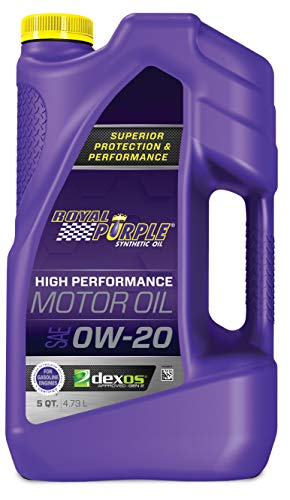 |
Royal Purple High Performance 0W-20 Synthetic Best Wear Protection 0W-20 full synthetic with proprietary Synerlec anti-wear additive |
8.4 | 🛒 Check Price |
1. Castrol EDGE 0W-20 Advanced Full Synthetic: Best Overall
For the bulk of XC90 owners running the 2.0L turbo or turbo-plus-supercharged petrol engine, Castrol EDGE 0W-20 is the pick we keep coming back to. The Fluid Titanium technology isn’t just marketing fluff. Under the high cylinder pressures these small-displacement, high-output engines generate, the oil firms up and keeps metal off metal where a thinner film would shear. That matters a lot on an engine known for being hard on its oil around the turbo and timing chain.
The honest weakness is grade confusion. Some XC90 model years and the diesel variants don’t want a thin 0W-20, and pouring it in where Volvo specified a heavier or low-SAPS oil is a real mistake. Check your filler cap and handbook first. Get the grade right, though, and this oil gives you confident protection and clean long-drain performance that justifies its place at the top.
- Fluid Titanium technology that stiffens the oil film under heavy load
- Meets the ACEA A5/B5 spec the Drive-E petrol engines call for
- Strong cold-start protection in the 0W winter grade
Pros: Excellent film strength for the turbocharged Drive-E engine; Holds viscosity well across long Volvo drain intervals; Easy to find in the correct 0W-20 grade
Cons: Always confirm your exact XC90 trim wants 0W-20 not 0W-30; Premium oil with a premium feel at the till
2. Mobil 1 Extended Performance 0W-20 Full Synthetic: Best for Long Drains
Volvo runs long oil change intervals on the XC90, and that’s exactly where Mobil 1 Extended Performance earns its keep. This 0W-20 is built to resist oxidation and thermal breakdown over a longer service window, which suits an owner who follows the factory schedule rather than changing oil every few thousand miles. Around the hot turbo bearing, where lesser oils start to coke and form deposits, it stays cleaner for longer.
The trap, and it’s a real one, is treating extended performance as a license to ignore the dipstick. The XC90 Drive-E engine can consume oil between changes, so even a long-drain oil needs you to check the level regularly and top up. Treat it as protection insurance rather than a set-and-forget, and verify it carries the right approval for your trim, and it’s a superb long-interval choice.
- Engineered for long service intervals between changes
- Strong resistance to thermal breakdown near the turbo
- Good low-temperature pumpability on cold mornings
Pros: Holds up over the XC90 long drain interval; Excellent oxidation and thermal stability; Trusted, widely stocked brand
Cons: Extended-drain marketing tempts owners to skip changes too long; Confirm A5/B5 suitability for your specific engine
3. Pennzoil Platinum 0W-20 Full Synthetic: Cleanest Pistons
Pennzoil Platinum stands out because of its PurePlus base oil, which is made from natural gas rather than crude. The practical upside for an XC90 owner is cleanliness. The Drive-E petrol engines are sensitive to deposits forming on pistons and rings, which is part of the oil consumption story on these motors. An oil that keeps the ring lands and pistons cleaner is doing real preventive work, not just lubricating.
It’s a petrol-focused choice, so if you own one of the diesel XC90s sold outside North America you need a low-ash C-class oil instead, and this isn’t it. For the gasoline and T8 hybrid cars in the correct 0W-20, though, it delivers genuinely clean internals over time. As always, match the grade to your filler cap before you buy a case.
- PurePlus base oil refined from natural gas for fewer impurities
- Helps keep pistons clean to fight deposit buildup
- Good flow at startup in the 0W winter grade
Pros: Very clean base oil reduces deposit formation; Strong piston cleanliness performance; Good cold-start flow
Cons: Not the right pick for diesel XC90 variants; Check the exact viscosity your engine specifies
4. Liqui Moly Special Tec AA 0W-20: Best European Spec Match
Liqui Moly is a German specialist and tends to nail the kind of low-friction, shear-stable formulation that European turbo engines like the Volvo Drive-E respond well to. Special Tec AA in 0W-20 runs quiet from cold and holds its viscosity under the sustained high loads a heavy SUV like the XC90 puts on its engine when fully loaded or towing. Owners who care about getting an oil philosophically matched to a European car gravitate here.
The downside is purely practical. Liqui Moly is easy to find online but less likely to be on the shelf at a typical big-box auto store, so you plan ahead rather than grab it on the way home. And because the exact Volvo approval varies by model year, double-check that the AA grade lines up with what your specific XC90 wants. When it matches, it’s a beautifully made oil.
- German-engineered oil tuned for modern European turbo engines
- Low-friction formulation for smoother cold running
- Strong shear stability under sustained load
Pros: Made by a brand that understands European engines; Excellent shear stability for the turbo Drive-E; Smooth, quiet cold starts
Cons: Less common on shelves than the big US brands; Verify the specific Volvo approval for your year
5. Valvoline Advanced Full Synthetic 0W-20: Best Value Synthetic
If you want a genuinely capable full synthetic without reaching for the most premium tier, Valvoline Advanced 0W-20 is the sensible answer for the XC90. The additive package leans hard on detergency and anti-wear chemistry, which is exactly what you want on an engine that can build deposits. It protects well from cold start through hard highway running, and you can buy it almost anywhere, which matters when you need a top-up away from home.
It doesn’t market itself on extreme extended drains the way Mobil 1 EP does, so if you stretch intervals to the absolute factory maximum you may prefer something with explicit long-drain validation. It’s also a petrol oil, not a low-ash diesel formulation. Within its lane, a gasoline or hybrid XC90 changed on a sensible schedule, it gives you excellent value and dependable protection.
- Extra detergents to fight sludge and deposits
- Enhanced anti-wear additive package
- Reliable cold-weather startup protection
Pros: Strong protection for the money; Good detergency keeps the engine clean; Widely available everywhere
Cons: Not a low-SAPS oil for diesel variants; Lacks the premium long-drain claims of some rivals
6. Motul 8100 X-clean EFE 0W-20: Best for Turbo Protection
Motul 8100 X-clean EFE is a low-SAPS, ACEA C5 oil, and for the XC90 trims that specify a low-ash 0W-20 it’s a standout for turbo protection. The reduced sulphated ash, phosphorus and sulphur content is gentler on the catalyst and particulate hardware, while the high-temperature stability keeps the turbo bearing well fed and deposit-free during hard driving. Enthusiasts trust Motul for exactly this kind of high-stress duty.
The catch is that C5 is a specific requirement, and not every XC90 engine wants it. Some call for an A5/B5 oil that isn’t low-SAPS, and using the wrong class either way is a mistake. Read your handbook and confirm the spec before committing. For the engines that do call for low-SAPS 0W-20, this is a very protective oils on the list, though it sits at the premium end and is less common in stores.
- Low-SAPS ACEA C5 formulation for modern emissions hardware
- Strong turbocharger and high-temperature protection
- Energy-saving low-friction design
Pros: Low-SAPS chemistry protects emissions components; Excellent high-temperature turbo protection; Trusted enthusiast-grade brand
Cons: C5 spec isn’t right for every XC90 engine; Premium positioning and patchier availability
7. Royal Purple High Performance 0W-20 Synthetic: Best Wear Protection
Royal Purple built its reputation on its Synerlec additive technology, which forms a notably tough protective film on metal surfaces. On a heavy, hard-working SUV like the XC90, where the engine sees real load when the car is fully loaded or worked hard, that extra wear protection is reassuring. It also holds up well to heat and resists corrosion, which suits a vehicle that might sit between longer trips.
It’s a performance-oriented oil and feels premium for routine servicing, so some owners will see it as more than a basic commute needs. It’s also a petrol-oriented 0W-20, so check that it matches your XC90 specification rather than assuming. For owners who prioritize maximum wear protection above all and run a gasoline or hybrid engine, it’s a strong, dependable choice to round out the list.
- Synerlec additive technology for a tough protective film
- Strong wear protection under high load and heat
- Compatible with ethanol-blended fuels
Pros: Excellent anti-wear film strength; Performs well under heat and heavy load; Good corrosion protection
Cons: Premium price feel for routine servicing; Always confirm the Volvo approval for your trim
Frequently Asked Questions
What type of engine oil does a Volvo XC90 need?
Most modern Volvo XC90 models with the 2.0L Drive-E petrol or hybrid engine call for a full synthetic 0W-20 meeting ACEA A5/B5 or A1/B1, and many carry the Volvo VCC RBS0-2AE approval. Diesel XC90 variants sold in some markets need a low-SAPS C-class oil instead, often a low-ash 0W-30. Always check the oil filler cap and your owner handbook for the exact grade and approval, because the requirement changed across model years and engine types. When in doubt, match the precise Volvo specification listed for your VIN rather than guessing.
Can I use 0W-30 instead of 0W-20 in my XC90?
Only if your specific engine and model year actually specify 0W-30. Some older or diesel XC90 engines do call for 0W-30, while most newer Drive-E petrol engines want the thinner 0W-20 for fuel economy and to feed the tight tolerances correctly. Using a heavier grade than specified can affect oil flow at cold start and slightly raise consumption issues, while using a thinner grade than specified reduces film protection. The safest move is to follow the grade printed on your filler cap and in the handbook, not a generic recommendation.
Why does my Volvo XC90 burn oil between changes?
Oil consumption is a known trait on some Drive-E engines, often linked to piston ring and deposit issues. Using a high-quality full synthetic with strong detergency and piston-cleanliness performance, like Pennzoil Platinum or Castrol EDGE, can help slow deposit buildup that contributes to the problem. Just as important, check your oil level regularly between changes and top up with the exact same grade. If consumption is severe, have a dealer assess it, because some affected engines were addressed under Volvo service campaigns.
How often should I change the oil in a Volvo XC90?
Volvo specifies a relatively long oil change interval on the XC90, and the car’s service reminder will prompt you based on usage. Still, if you do a lot of short trips, towing, or hard driving, changing more frequently than the maximum interval is good insurance on a turbocharged engine. An oil rated for extended performance, such as Mobil 1 Extended Performance, gives you more confidence at longer intervals, but it never replaces checking the level regularly. Follow the in-car service indicator and lean toward the shorter side under hard use.
Do I have to use Volvo-branded oil to keep my warranty?
No. You aren’t legally required to use Volvo-branded oil to keep your warranty, but you must use an oil that meets the correct specification and approval, such as ACEA A5/B5 or the relevant VCC approval for your engine. Any reputable full synthetic that carries the right spec is acceptable. Keep your receipts and service records as proof you used a compliant oil. The key is the specification on the bottle matching what Volvo requires, not the name on the label.
Our Verdict
For most Volvo XC90 owners running the 2.0L Drive-E petrol or hybrid engine, our top pick is Castrol EDGE 0W-20, which combines the right ACEA A5/B5 spec, excellent film strength for the turbo, and easy availability. Our runner up is Mobil 1 Extended Performance 0W-20, the smarter choice if you follow Volvo’s long service intervals and want validated long-drain protection. Whichever you choose, confirm the exact grade and approval on your filler cap first, because matching the specification is what truly protects this engine.