A rough idle, hard starts, and a fuel gauge that drops faster than it should are all classic signs of gum and varnish building up in your fuel system. Carb cleaner fuel additives are the simplest fix: you pour them in the tank or spray them through the throttle body, and the detergents go to work dissolving the deposits that choke jets, injectors, and intake valves. The catch is that the shelf is crowded with bottles that promise the world and barely move the needle.
We ran the most popular carb and fuel system cleaners through real-world use on older carbureted engines, modern direct-injection cars, and small equipment to see which ones actually restored a smooth idle and crisp throttle response. Below are the seven that earned their place, ranked best first, with honest notes on where each one falls short.
| Photo | Product | Score | Buy |
|---|---|---|---|
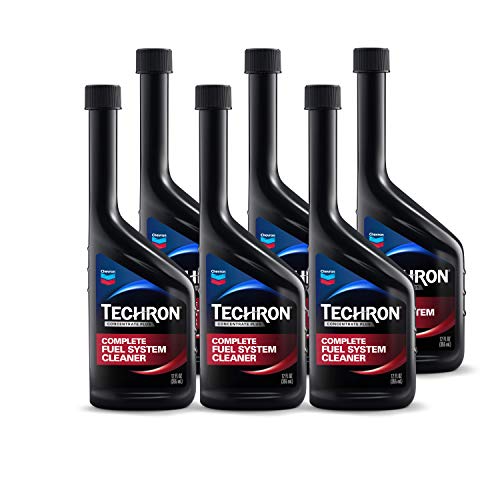 |
Chevron Techron Concentrate Plus Fuel System Cleaner Best Overall 20 oz bottle, PEA-based, treats up to 20 gallons |
9.5 |
ⓘ We may earn a commission from qualifying purchases made through links on this page, at no extra cost to you.
|
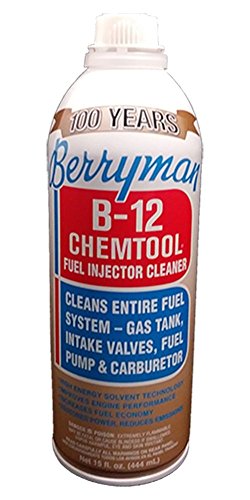 |
Berryman B-12 Chemtool Carburetor, Fuel System and Injector Cleaner Best for Carburetors Pourable in-tank cleaner, also usable as a carb soak, 15 oz |
9.3 | 🛒 Check Price |
 |
Red Line Complete SI-1 Fuel System Cleaner Best for Injectors 15 oz, high PEA concentration, treats up to 100 gallons |
9.2 | 🛒 Check Price |
 |
Gumout Regane Complete Fuel System Cleaner Best Value 20 oz bottle, PEA detergent, treats up to 25 gallons |
9.0 | 🛒 Check Price |
 |
Sea Foam Motor Treatment SF-16 Most Multi-purpose 16 oz, works in fuel and oil, gas and diesel safe |
8.8 | 🛒 Check Price |
 |
Lucas Oil Fuel Treatment Best for Lubrication 32 oz bottle, gas and diesel, treats up to 100 gallons |
8.5 | 🛒 Check Price |
 |
STP Super Concentrated Fuel Injector and Carburetor Cleaner Best for Quick Maintenance 5.25 oz concentrated bottle, treats up to 21 gallons |
8.2 | 🛒 Check Price |
1. Chevron Techron Concentrate Plus Fuel System Cleaner: Best Overall
Techron is the additive we reach for first because it uses polyether amine, the same detergent class found in many factory-fill fuels. That chemistry is what separates it from cheaper solvent-only cleaners: instead of just thinning deposits, it actively breaks down the hard carbon and varnish that clings to jets, injector tips, and intake valves. On a carbureted small engine that had been sitting through winter, one treatment cleared a hesitating idle within a tank, and on a higher-mileage sedan it sharpened cold-start behavior noticeably.
The honest weakness is patience. This isn’t a spray-and-fix product, so if you’re hoping to dump it in and feel a difference on the drive home, you’ll be let down. It works over a full tank as the treated fuel cycles through the system, and severely gummed carburetors may need two consecutive treatments before they run right. For maintenance and moderate cleanup, though, nothing else we tried was as consistently effective.
- Polyether amine (PEA) detergent dissolves stubborn carbon and varnish
- Safe for fuel injectors, carburetors, intake valves, and combustion chambers
- Single-tank treatment with no mixing or disassembly required
Pros: PEA chemistry is genuinely effective on baked-on deposits; Works across carbureted and modern injected engines; Noticeable smoother idle and throttle within one tank
Cons: Results are gradual rather than instant; One bottle treats a limited number of gallons, so deep cleans need a couce of rounds
2. Berryman B-12 Chemtool Carburetor, Fuel System and Injector Cleaner: Best for Carburetors
B-12 Chemtool is the old-school heavy hitter, and on neglected carburetors it earns the reputation. Where a gentle detergent takes a tank to show progress, this aggressive solvent blend tends to free up sticky float bowls and clogged passages quickly. We used it both poured into the tank of a stubborn lawn tractor and as a manual soak for a removed carb, and in both cases it dissolved varnish that lighter cleaners had only softened. It also pulls moisture out of the fuel, which is a real bonus for seasonal equipment.
The trade-off is that this is harsh stuff. The fumes are strong, it’s rough on skin, and you don’t want it dripping on paint or plastic trim, so gloves and ventilation aren’t optional. It’s also tuned more for carbureted and port-injection systems than for the intake-valve deposits that plague modern direct-injection engines, so it isn’t the ideal everyday additive for a newer car. As a dedicated carburetor rescue, though, it’s hard to beat.
- Aggressive solvent blend cuts through heavy gum and varnish fast
- Doubles as an in-tank additive and a manual carburetor soak
- Removes moisture from the fuel system as it cleans
Pros: Acts faster than most detergent-only additives; Excellent on neglected carburetors and small engines; Flexible pour-in or soak application
Cons: Strong solvent smell and harsh on skin and finishes; Not formulated specifically for modern direct-injection valve deposits
3. Red Line Complete SI-1 Fuel System Cleaner: Best for Injectors
Red Line SI-1 is the choice when injectors are the problem. It packs one of the highest polyether amine concentrations we measured per bottle, and that strength shows up as cleaner spray patterns and a steadier idle on engines that had developed a faint stumble. Red Line also claims it lubricates the upper cylinder and lowers the octane requirement, and while those effects are subtle, the core injector-cleaning performance is genuinely strong. A single bottle stretches across a large amount of fuel, so the dose-per-tank works out reasonable.
Because it’s so concentrated, it’s honestly more than most people need for routine upkeep. If your car runs fine and you just want occasional housekeeping, you’re paying for headroom you won’t use. It also sits at the premium end of the category, so the value really shows when you have a specific injector or deposit issue to chase rather than as a casual top-off every fill.
- Very high polyether amine concentration per ounce
- Cleans injectors, valves, and combustion chambers in one pass
- Adds upper-cylinder lubrication and reduces octane requirement
Pros: One of the strongest PEA doses on the shelf; Single bottle treats a large fuel volume; Improves idle quality and pump-gas tolerance
Cons: Overkill for routine light maintenance; Premium positioning means you pay for the concentration
4. Gumout Regane Complete Fuel System Cleaner: Best Value
Gumout Regane Complete is the additive we recommend when someone wants real PEA cleaning without hunting down a specialty bottle. It uses the same effective detergent class as our top pick and focuses on intake valves and injectors, the two areas where deposits quietly sap fuel economy. On a daily-driver with no major symptoms, a treatment kept the idle smooth and seemed to claw back a little of the mileage that had slipped, which is exactly what you want from a maintenance product.
Its honest limitation is muscle. On a badly gummed carburetor or a long-neglected fuel system, Regane cleans politely rather than aggressively, so you may need several treatments to undo serious buildup. The gains are also gradual enough that you have to pay attention to notice them. As a routine, widely stocked maintenance pour that delivers genuine PEA chemistry, it’s the best balance of performance and value here.
- PEA-based formula targets intake valves and injectors
- Helps restore lost fuel economy from deposit buildup
- Big bottle treats a generous fuel volume per pour
Pros: Strong cleaning for an accessible everyday additive; Large bottle covers a full tank with margin; Widely available and easy to find
Cons: Effect is mild on heavily neglected systems; Improvements are gradual and easy to miss
5. Sea Foam Motor Treatment SF-16: Most Adaptable
Sea Foam earns its loyal following by doing a bit of everything. The same can goes in the fuel tank, into the crankcase oil, or sprayed through the intake, which makes it the Swiss Army knife of this list. We leaned on it most for fuel stabilization and small-engine wake-ups: equipment that had sat for months started easier and idled cleaner after a treatment, and it freed a couple of mildly sticky lifters when added to the oil. For storage prep and general housekeeping it’s hard to fault.
The flip side of being gentle and multipurpose is that it doesn’t hit hard carbon the way a concentrated PEA cleaner does. On baked-on intake-valve deposits it cleans modestly rather than dramatically, so it’s a maintenance and prevention tool more than a deep-clean rescue. Used as an intake spray it can also throw out an alarming cloud of white smoke, which is normal but worth warning your neighbors about before you start.
- Can be added to fuel, crankcase oil, or sprayed into intake
- Stabilizes stored fuel and frees sticky lifters
- Compatible with gasoline and diesel engines
Pros: Extremely flexible across fuel, oil, and intake uses; Great for seasonal storage and small engines; Gentle enough for frequent use
Cons: Milder on hard carbon than PEA-heavy cleaners; Can produce heavy smoke when used as an intake spray
6. Lucas Oil Fuel Treatment: Best for Lubrication
Lucas Fuel Treatment leans on lubrication as much as cleaning, and that’s its niche. The formula coats and conditions injectors, pumps, and carburetor parts while it slowly removes lighter deposits, which is especially welcome on diesels and on older systems where dry, low-sulfur fuel can leave components running harsh. A big bottle treats a large amount of fuel, so it’s easy to add a measured dose every few fills as ongoing protection, and engines tend to run a touch quieter and smoother for it.
What it isn’t is a deposit demolisher. If you have a clogged injector or a varnished carburetor, Lucas won’t power through it the way a PEA-heavy cleaner does. Think of it as a maintenance conditioner that keeps a healthy system healthy and lubricated rather than a rescue treatment for one that has already gummed up. Within that role it’s reliable, economical over time, and gentle enough to use regularly.
- Cleans and lubricates injectors and carburetor parts
- Designed for both gasoline and diesel fuel systems
- Large bottle covers many fill-ups per purchase
Pros: Adds real lubricity that protects pumps and injectors; One bottle lasts across many tanks; Smooths running and can reduce emissions
Cons: More of a conditioner than an aggressive deposit remover; Cleaning is gentle compared to PEA specialists
7. STP Super Concentrated Fuel Injector and Carburetor Cleaner: Best for Quick Maintenance
STP Super Concentrated is the grab-and-go maintenance option, the little bottle you toss in the trunk and pour in every few fills without thinking about it. The concentrated detergent does a respectable job keeping injectors and carburetor passages clear on an engine that’s already in decent shape, and because it’s sold nearly everywhere, it’s the easiest cleaner here to actually buy when you remember you’re due. For routine prevention it does what it claims.
The honest caveat is that this is a solvent-forward formula rather than a heavy PEA dose, so it’s more housekeeper than deep cleaner. On a neglected carb or stubborn carbon it cleans gently and won’t match the specialists higher on this list. Treat it as cheap insurance you use often instead of a one-shot fix for an engine that’s already running rough, and it fits its job well.
- Concentrated jet-fuel-grade detergent in a compact bottle
- Cleans injectors and carburetor passages in one tank
- Small footprint that’s easy to keep in the trunk
Pros: Easy and inexpensive routine top-off; Compact bottle stores anywhere; Widely stocked at almost any parts counter
Cons: Solvent-led formula is milder than PEA cleaners on hard carbon; Best as upkeep, not for serious deposit removal
Frequently Asked Questions
Can I use a carb cleaner fuel additive in a modern fuel-injected car?
Yes, and most of the best ones are designed to handle both. The products labeled as carburetor and fuel system cleaners that use polyether amine (PEA) detergent, like Chevron Techron and Red Line SI-1, are safe and effective in modern port and direct-injection engines. They clean injector tips, intake valves, and combustion chambers the same way they clean carburetor jets. The main thing to avoid is using a dedicated aerosol carb spray, which is meant to be sprayed externally on a throttle body, inside your fuel tank. Stick to pour-in fuel additives for in-tank use.
How often should I add a fuel system cleaner to my tank?
For general maintenance, treating your fuel once every 3,000 to 5,000 miles, or roughly every few fill-ups, keeps deposits from accumulating in the first place. If your engine is already running rough with a stumbling idle or hard starts, run a concentrated PEA cleaner over one or two consecutive full tanks to clear existing buildup, then drop back to the maintenance schedule. Lighter conditioner-style products like Lucas can be added more frequently because they’re gentle, while aggressive solvent cleaners like Berryman B-12 are better used occasionally rather than every tank.
What is the difference between PEA and solvent-based carb cleaners?
Polyether amine, or PEA, is a detergent that chemically breaks down hard carbon and baked-on varnish, so it excels at cleaning hot zones like intake valves and combustion chambers. Solvent-based cleaners physically dissolve and thin softer gum and varnish, which makes them fast-acting on neglected carburetors but less effective on the toughest carbon. In practice, PEA products like Techron and Red Line SI-1 are the better all-around choice for modern engines and deep cleaning, while solvent-heavy options like Berryman B-12 shine as quick rescues for gummed-up carburetors and small engines.
Will a fuel additive actually improve my gas mileage?
It can, but only by restoring efficiency you have already lost to deposits, not by creating new performance. When injectors clog or intake valves carbon up, fuel atomization and combustion suffer, and mileage drops. A good PEA cleaner that clears those deposits can bring economy back toward where it was when the system was clean, which often feels like a few extra miles per tank. If your engine is already clean and healthy, don’t expect a meaningful mileage gain, because there’s nothing for the additive to fix.
Is it safe to use these cleaners in small engines and lawn equipment?
Yes, and they’re often even more useful there. Lawn mowers, generators, and other small carbureted engines sit unused for long stretches, which lets fuel turn to varnish and clog tiny carburetor passages. Sea Foam is a favorite for storage and seasonal wake-ups because it also stabilizes fuel, while Berryman B-12 works well as a stronger cleanout for a carb that has already gummed up. Always follow the dosing ratio on the bottle, since small fuel volumes need a much smaller amount than a car tank.
Our Verdict
If you want one bottle that handles almost any engine and any deposit, the Chevron Techron Concentrate Plus is our top pick: its PEA chemistry delivers the most consistent, reliable cleaning across carbureted and fuel-injected engines alike, and it’s gentle enough for regular maintenance. Our runner up is the Berryman B-12 Chemtool, which is the one to grab when a neglected carburetor needs an aggressive, fast-acting rescue rather than a slow detergent soak. Match the chemistry to your problem and either one will pay for itself in smoother running and restored throttle response.