A rubbing compound is the fastest way to erase light scratches, swirl marks, and oxidation without heading straight to a body shop. The trick is that not every compound cuts the same way. Some are aggressive paste-style cutters built for sanding marks and heavy defects, while others are softer all-in-one creams that finish down to a gloss in a single step. Pick the wrong one and you either fail to remove the scratch or you leave a hazy, dull patch behind.
We ran each of these compounds across real test panels and daily-driver paint, checking how much defect they removed in one pass, how cleanly they wiped off, and whether they left swirls under direct light. The list below ranks them best first, covering picks for hand application, dual-action polishers, light clear-coat scratches, and deeper marks that catch a fingernail. Every product here’s a proven, widely sold formula, so you can match the right cut to your paint and your scratch.
| Photo | Product | Score | Buy |
|---|---|---|---|
 |
Meguiar's Ultimate Compound Best Overall 16 oz cream compound, safe for clear coat, hand or machine use |
9.5 |
ⓘ We may earn a commission from qualifying purchases made through links on this page, at no extra cost to you.
|
 |
Chemical Guys V32 Optical Grade Compound Best for Machine Polishing 16 oz heavy-cut compound, optical grade, dual-action and rotary safe |
9.3 | 🛒 Check Price |
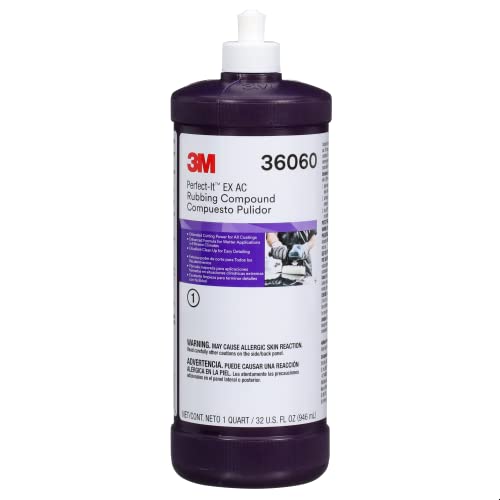 |
3M Rubbing Compound Best for Deep Scratches 16 oz liquid rubbing compound, fast-cut formula for heavy defects |
9.1 | 🛒 Check Price |
 |
Mothers California Gold Scratch Remover Best for Light Scratches 8 oz scratch remover cream, micro-abrasive, hand application |
8.9 | 🛒 Check Price |
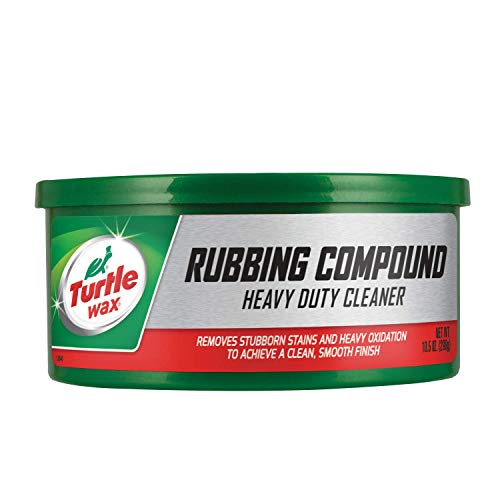 |
Turtle Wax Premium Grade Rubbing Compound Best Value 18 oz rubbing compound, removes scratches, stains, and oxidation |
8.7 | 🛒 Check Price |
 |
Griot's Garage Complete Compound Best All-in-One 16 oz one-step compound, cuts and finishes in a single product |
8.6 | 🛒 Check Price |
 |
Carfidant Scratch and Swirl Remover Best for Beginners Scratch and swirl remover kit with applicator, all paint colors |
8.4 | 🛒 Check Price |
1. Meguiar's Ultimate Compound: Best Overall
Meguiar’s Ultimate Compound is the compound we reach for first because it hits the rare sweet spot between cut and finish. The micro-abrasive formula breaks down as you work it, so it starts off cutting like a true compound and ends closer to a polish. On clear-coat swirls, water-spot etching, and light parking-lot scratches it consistently removed the defect in one or two passes and left a surface glossy enough that many people skip a separate polishing step entirely.
The honest weakness is depth. If a scratch catches your fingernail, this formula will soften and lighten it but rarely erase it fully, and you may need to wet sand first or step up to a more aggressive paste. It’s also a corrector, not a protectant, so plan to follow with a wax or sealant. For the vast majority of clear-coat blemishes on a daily driver, though, this is the most reliable all-rounder you can buy.
- Micro-abrasive technology cuts fast yet finishes glossy enough to skip a separate polish on light paint
- Body shop safe and clear coat safe, so it won’t strip or burn modern factory finishes
- Works by hand with a foam pad or microfiber, or with a DA polisher for bigger panels
Pros: Removes light to moderate scratches and oxidation in a single product; Finishes cleaner than most aggressive compounds, leaving minimal haze; Forgiving formula that doesn’t dust or sling everywhere
Cons: Struggles with deep scratches that catch a fingernail; Best results still need a follow-up wax or sealant to protect the corrected paint
2. Chemical Guys V32 Optical Grade Compound: Best for Machine Polishing
When the scratch is too deep for an all-in-one cream, Chemical Guys V32 steps in as a true heavy cutter. This is the compound we used to knock down sanding marks and stubborn defects on test panels, and it removed more material per pass than any other product on this list. The diminishing abrasives mean it keeps cutting hard at the start, then refines as they break down, so you get correction and a usable finish from one product when paired with a cutting pad on a DA polisher.
The trade-off is that V32 is built for the machine, not the hand. By hand it’s slow and you won’t unlock its real cutting ability, so it’s the wrong choice for someone without a polisher. It’s also aggressive, so on soft or thin single-stage paint you need to test a small area and watch your pad pressure. For anyone doing serious machine correction, though, it’s a workhorse that punches above its category.
- Diminishing abrasives deliver heavy cut while still refining to a clear finish
- Optical grade formula designed for rotary and dual-action machine correction
- Body shop safe and works across most paint systems including ceramic clear coats
Pros: Strong cutting power for sanding marks and deeper defects; Refines surprisingly well for a heavy-cut compound; Long working time so it doesn’t flash off before you finish a section
Cons: Really intended for machine use, less effective by hand; Aggressive enough to require care on thin or soft paint
3. 3M Rubbing Compound: Best for Deep Scratches
3M Rubbing Compound is the classic body shop liquid that has corrected paint for decades, and it earns its spot as our deep-scratch pick. This is a genuine fast-cut compound, so when you’re dealing with heavier scratches or the haze left behind by wet sanding, it removes material quickly and predictably. If a defect is too deep for Meguiar’s Ultimate Compound, this is the next logical step before you consider a respray.
Because it cuts hard, it leaves its mark. Expect some micro-marring and a slightly dulled surface afterward, which means this is almost never your last step. You’ll want to follow it with a finishing polish to restore full gloss. It’s also overkill, and even risky, for light swirls on thin modern clear coats. Treat it as a specialist tool for serious correction rather than an everyday swirl remover and it delivers exactly what you need.
- Fast-cutting formula removes deep scratches, sand scratches, and heavy oxidation
- Trusted body shop formulation used after wet sanding repairs
- Works by hand or machine, though machine unlocks the full cut
Pros: Aggressive cut tackles defects most creams can’t touch; Industry-standard formula with a long track record in real body shops; Removes wet-sanding haze efficiently
Cons: Leaves micro-marring that usually needs a follow-up polish; Too aggressive for light swirls on delicate clear coats
4. Mothers California Gold Scratch Remover: Best for Light Scratches
Mothers California Gold Scratch Remover is the pick we hand to anyone nervous about touching their paint for the first time. It’s a mild micro-abrasive cream that’s almost impossible to mess up by hand, and on fine scratches, light swirls, and water spotting it does a clean job. Worked into the paint with a foam applicator and buffed off with a microfiber, it consistently brightened dull areas and removed shallow marks without any drama.
The flip side of that gentleness is limited muscle. This isn’t the product for a scratch you can feel with a fingernail, and trying to force it on deep defects just wastes effort and product. The bottle is also on the smaller side, so for a full vehicle correction you’ll go through it quickly. As a targeted fixer for the light blemishes that make up most everyday paint complaints, though, it’s hard to use wrong.
- Micro-abrasive cream targets fine scratches, swirls, and light surface defects
- Easy by-hand application with no machine required
- Leaves a clean, glossy surface ready for wax
Pros: Very approachable for beginners working by hand; Excellent on fine scratches and water spots; Spreads and wipes off easily with little dusting
Cons: Not strong enough for deep or fingernail-catching scratches; Small bottle covers limited area on larger jobs
5. Turtle Wax Premium Grade Rubbing Compound: Best Value
Turtle Wax Premium Grade Rubbing Compound is the no-fuss, easy-to-find option that gets the job done without overthinking it. It carries enough cut to handle everyday scratches, stains, and oxidation on clear-coat paint, and the larger bottle means you aren’t rationing product on a big job. For someone who just wants to tidy up faded, scratched paint and isn’t chasing a flawless show finish, it delivers solid, qualitatively strong value.
Where it shows its limits is in the final finish. Compared with the more refined creams on this list, it tends to leave a slightly less crisp surface, so a follow-up polish often makes a visible difference. It can also feel a little grabby and harder to spread when you’re working in heat or low humidity. Manage your working time and follow with a polish, and it’s a dependable, accessible compound that covers the basics well.
- Removes scratches, stains, blemishes, and oxidation from clear-coat paint
- Generous bottle size for the coverage it offers
- Works by hand or with a buffer on larger areas
Pros: Widely available and easy to find anywhere; Good cut for general scratch and oxidation removal; Large bottle goes a long way across multiple jobs
Cons: Finish isn’t as refined as premium creams and may need polishing; Can feel grabby and harder to work in hot, dry conditions
6. Griot's Garage Complete Compound: Best All-in-One
Griot’s Garage Complete Compound is built around a simple promise: cut and finish in one product. The abrasives are designed to break down as you work them, so it starts by removing moderate defects and ends by refining the surface to a gloss, which means on lighter paint you can often skip a separate polishing pass. In testing it pulled out swirls and light scratches cleanly and wiped off with very little dust, making it a pleasant compound to spend an afternoon with.
The honest limitation is that being a true one-step product, it splits the difference rather than maxing out either end. It doesn’t cut as hard as a dedicated heavy compound, so deep scratches will defeat it, and it really wants a dual-action polisher to fully level defects and reach its best finish. For machine users chasing efficiency on light to moderate correction, it’s a smart, time-saving choice that keeps the process simple.
- Engineered to cut defects and finish to a high gloss in one step
- Smart abrasives break down for correction without heavy haze
- Optimized for dual-action polishers but usable by hand
Pros: Saves time by combining cut and polish in one application; Finishes glossy with minimal follow-up needed; Low dusting and pleasant to work with
Cons: Not as aggressive as a dedicated heavy-cut compound; Performs best with a machine to fully level defects
7. Carfidant Scratch and Swirl Remover: Best for Beginners
Carfidant Scratch and Swirl Remover rounds out the list as the friendliest entry point for someone who has never corrected paint before. It arrives as a kit with an applicator pad, so there’s no guesswork about what else to buy, and the formula is mild enough that hand application is forgiving. For spot-fixing light scratches and swirls on a door handle area, a bumper scuff, or a small swirl patch, it’s an easy, low-mess way to get a quick win.
What you give up for that simplicity is real cutting strength. On deeper or older scratches it tends to mask and lighten rather than fully remove, and you can feel the formula run out of bite on tougher defects. The coverage is also better suited to targeted touch-ups than a full-vehicle job. Set expectations around light correction and spot repairs, though, and it’s an approachable kit that helps first-timers build confidence with their paint.
- All-in-one formula targets scratches, swirls, and blemishes on any paint color
- Comes with a buffing pad so you can start right out of the box
- Designed for easy hand application with no polisher required
Pros: Beginner-friendly kit with everything to start included; Works across all paint colors and finishes; Simple, low-mess hand application
Cons: Limited cutting power on deeper or older scratches; Smaller coverage area suited to spot fixes rather than whole cars
Frequently Asked Questions
Will a rubbing compound remove deep scratches that catch my fingernail?
Usually not on its own. If a scratch catches your fingernail, it has gone through the clear coat and often into the base coat, which means there’s no clear material left to level down to. A rubbing compound can soften the edges and make the mark far less visible, but it can’t fill missing paint. For fingernail-deep scratches your realistic options are wet sanding followed by an aggressive compound like 3M Rubbing Compound to blend the area, touch-up paint to fill the gouge, or a professional respray for the panel. Compounds shine on clear-coat-only damage such as swirls, light scratches, and oxidation.
What is the difference between a rubbing compound and a polishing compound?
The main difference is abrasiveness. A rubbing compound has coarser abrasives and a stronger cut, so it removes more material and tackles deeper defects, scratches, and heavy oxidation. A polishing compound is finer and is meant to refine the surface, remove the light haze a compound leaves behind, and restore deep gloss. The classic workflow is compound first to remove the defect, then polish to perfect the finish. Some modern all-in-one products like Meguiar’s Ultimate Compound or Griot’s Garage Complete Compound blur the line by cutting and finishing in one step, which is why they’re popular for lighter correction.
Can I apply rubbing compound by hand or do I need a polisher?
You can absolutely apply most compounds by hand, and several picks here, such as Mothers California Gold Scratch Remover and Carfidant, are designed for exactly that. Use a foam applicator pad, work the product into a small section with firm overlapping passes, and buff off with a clean microfiber. The catch is that a dual-action polisher applies more consistent pressure and motion, so it cuts faster, finishes more evenly, and covers large panels with far less fatigue. Heavy-cut compounds like Chemical Guys V32 really need a machine to perform. For spot fixes, hand application is fine. For a whole car, a polisher is worth it.
Will rubbing compound damage my clear coat?
It can if you’re careless, because a compound works by removing a thin layer of clear coat to level the scratch with the surrounding paint. The key is to use the least aggressive product that will do the job, test a small hidden area first, avoid pressing too hard or staying in one spot, and never compound the same panel repeatedly without reason. Modern clear coats are thin, so each aggressive correction uses some of that finite layer. Stick to clear-coat-safe formulas, follow the instructions, and you’ll remove the defect without harming the paint. When in doubt, start with a milder compound and step up only if needed.
Do I need to wax after using a rubbing compound?
Yes, and it’s an important final step. Compounding removes defects but it also strips away any existing wax or sealant and leaves the corrected paint unprotected and exposed. Without a protective layer, that fresh paint is vulnerable to UV, contamination, and new oxidation. After you finish correcting, clean the surface to remove any compound residue, then apply a quality wax, sealant, or ceramic coating to lock in the gloss and protect your work. Think of compounding and protecting as two halves of the same job. Skipping the protection step means your corrected finish won’t last as long as it should.
Our Verdict
For most drivers, Meguiar’s Ultimate Compound is the top pick because it removes light and moderate clear-coat scratches, swirls, and oxidation in a single forgiving product that finishes glossy enough to skip a separate polish. If you’re correcting paint with a machine or facing tougher defects, Chemical Guys V32 Optical Grade Compound is the runner up, delivering heavy cutting power that still refines to a clean finish. Match the cut to your scratch, always protect the paint afterward, and any compound on this list will leave your car looking dramatically better.

