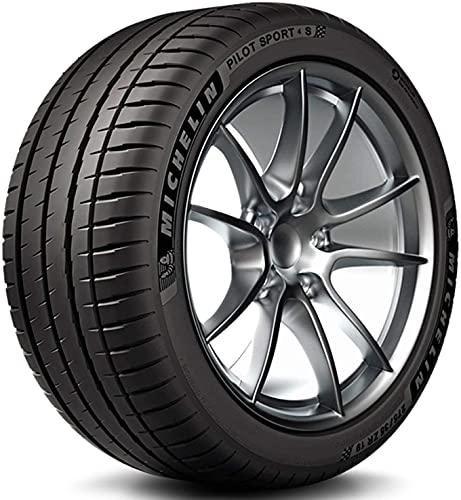
All weather tires solve a real problem for drivers who hit snow a few months a year but don’t want the hassle of swapping to dedicated winter tires every season. Unlike standard all season tires, true all weather tires carry the Three Peak Mountain Snowflake (3PMSF) symbol, which means they passed a severe snow traction test. That single rating is the difference between a tire that simply tolerates cold and one that actually digs into packed snow and slush.
We looked at how each of these tires bites on snow, how they behave on cold dry pavement, how they drain water to fight slush hydroplaning, and how long the tread realistically lasts. Below are seven 3PMSF rated tires that hold up in winter without forcing you into a noisy, fast wearing dedicated snow tire. Every pick is a real model you can buy on Amazon today.
| Photo | Product | Score | Buy |
|---|---|---|---|
 |
Michelin CrossClimate2 Best Overall 3PMSF certified, V-shaped directional tread, 60,000 mile warranty |
9.5 |
ⓘ We may earn a commission from qualifying purchases made through links on this page, at no extra cost to you.
|
 |
Nokian Tyres WRG4 Best for Heavy Snow 3PMSF certified, Double Snow Claws, aramid reinforced sidewall on SUV sizes |
9.3 | 🛒 Check Price |
 |
Continental CrossContact RX Best for SUVs 3PMSF certified, traction grooves, designed for crossovers and SUVs |
9.1 | 🛒 Check Price |
 |
Vredestein Quatrac Pro Best Wet and Snow Balance 3PMSF certified, asymmetric tread, high speed rated for performance fitments |
9.0 | 🛒 Check Price |
|
🚗
|
Goodyear Assurance WeatherReady 2 Best Tread Life 3PMSF certified, Evolving Traction Grooves, 60,000 mile warranty |
8.8 | 🛒 Check Price |
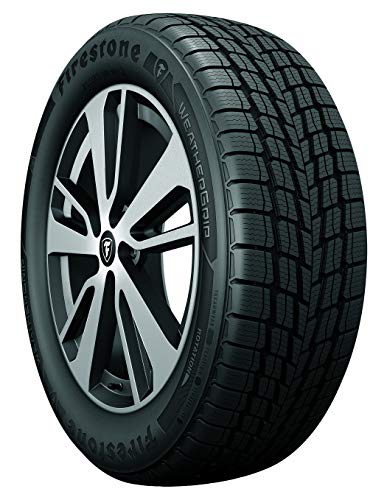 |
Firestone WeatherGrip Best Value 3PMSF certified, full depth Snow Traction Claws, Hydro-Grip technology |
8.5 | 🛒 Check Price |
 |
Bridgestone WeatherPeak Best All Around Comfort 3PMSF certified, open shoulder slots, 70,000 mile warranty |
8.3 | 🛒 Check Price |
1. Michelin CrossClimate2: Best Overall
The Michelin CrossClimate2 is the tire most experts point to when someone asks for a single set that handles real snow without giving up summer manners. The V-shaped directional tread and dense siping let it claw into packed snow and clear slush quickly, and the Thermal Adaptive compound keeps the rubber pliable when temperatures drop near freezing, which is exactly where ordinary all season tires turn hard and slick. It earns the 3PMSF rating honestly, and on cold dry pavement the braking distances are genuinely short.
The honest weakness is that this isn’t a true dedicated ice tire. On glare ice or deep unplowed drifts, a studdable winter tire will still beat it, and you feel the firmer, more planted ride on rough roads compared to a soft touring tire. For the driver who wants one set that covers light to moderate snow regions all year, though, nothing else balances winter capability and tread life this well.
- Three Peak Mountain Snowflake rated for severe snow service
- V-formation directional tread evacuates slush and water fast
- Thermal Adaptive compound stays flexible in cold temperatures
Pros: Excellent snow and ice grip for a tire you can run all year; Outstanding wet braking and hydroplaning resistance; Long, even tread wear backed by a strong mileage warranty
Cons: Premium tier, you pay a real difference over budget brands; Slightly firmer ride than a pure touring all season
2. Nokian Tyres WRG4: Best for Heavy Snow
Nokian invented the winter tire, so it’s no surprise that the WRG4 leans harder toward snow than almost any other all weather option here. The Double Snow Claw tread blocks and aggressive siping pattern grab loose and packed snow with real authority, and the Coolmax silica compound keeps the contact patch working when the mercury falls. If you live somewhere that sees genuine accumulation several times a winter but you still want a year round tire, this is the one that gets closest to a dedicated snow tire feel.
The trade off is availability and a touch of refinement. Nokian doesn’t stock every fitment, so popular sizes can sell out, and on smooth dry highway the snow focused tread generates a bit more hum than a touring tire. You also give up a little warm weather sharpness for that winter bite. For snow belt drivers who put traction first, those are easy compromises to accept.
- Built by a winter tire specialist from northern Europe
- Double Snow Claw tread blocks grab loose snow aggressively
- Coolmax silica compound holds grip across a wide temperature range
Pros: Genuine deep snow traction that rivals some winter tires; Confident handling in slush and on cold wet roads; Tough construction that resists curb and pothole damage
Cons: Limited size availability compared to mainstream brands; Tread can feel slightly noisier on dry highway
3. Continental CrossContact RX: Best for SUVs
SUVs and crossovers carry more weight and sit higher, so they need a tire whose tread and casing are tuned for that load before snow traction even enters the picture. The Continental CrossContact RX is built exactly for those vehicles, with dedicated traction grooves and a cold capable silica compound that earns the 3PMSF mark while keeping the cabin quiet. On snow covered roads it gives you predictable, progressive grip rather than a sudden break away, which is reassuring in a taller vehicle.
Where it gives a little ground is outright snow aggression. It won’t match the Nokian or the CrossClimate2 in deep accumulation, and because the lineup focuses on SUVs you may not find a fitment for a smaller sedan. For a family crossover that needs to handle winter commutes in comfort, though, it strikes a very likable balance of quiet, grip, and longevity.
- Snow traction grooves engineered for heavier crossover weight
- Silica tread compound for cold weather wet and snow grip
- Optimized footprint shape for even wear under SUV loads
Pros: Strong snow and wet grip tuned for SUV and crossover weight; Quiet, comfortable ride for a 3PMSF rated tire; Even tread wear that supports long service life
Cons: Geared toward SUVs, fewer car and sedan fitments; Snow bite trails the most winter focused picks here
4. Vredestein Quatrac Pro: Best Wet and Snow Balance
The Vredestein Quatrac Pro is the enthusiast pick of this group. Its asymmetric tread splits duties cleverly, with a heavily siped inner shoulder for snow and slush and a stiffer outer shoulder for dry cornering grip, and the lineup carries high speed ratings that many all weather tires simply don’t offer. That makes it a smart choice for a performance sedan or a sportier crossover whose owner refuses to give up steering feel just to survive a few snowy weeks.
It’s genuinely 3PMSF rated and very sure footed in wet and slushy conditions, but it’s tuned more around dry performance than deep snow conquest, so in heavy accumulation the snow specialists pull ahead. Availability is also thinner in the US market, so finding your exact size can take a little searching. For drivers who weight handling and wet grip alongside winter ability, it’s a standout.
- Asymmetric tread with snow biting inner shoulder and dry outer shoulder
- Designed for performance sedans and SUVs needing high speed ratings
- Strong aquaplaning resistance in slush and standing water
Pros: Excellent balance of dry handling and snow capability; High speed ratings suit sportier vehicles; Very composed in wet and slushy conditions
Cons: Less widely stocked at US retailers than the big three brands; Deep snow grip is good but not class leading
5. Goodyear Assurance WeatherReady 2: Best Tread Life
Goodyear’s Assurance WeatherReady 2 is built around a clever idea: its Evolving Traction Grooves actually open up as the tread wears, so the tire keeps fresh biting edges deep into its life instead of going slick at half tread the way many tires do. Paired with a soybean oil enriched compound that resists hardening in the cold, that design makes this a dependable choice for drivers who keep a set for years and want winter capability that doesn’t fade. It earns its 3PMSF rating and rides quietly on the highway.
It isn’t the most aggressive snow tire here, and on hard packed snow you can sense that it trades a little ultimate bite for longevity and comfort. The steering is also tuned more for relaxed touring than sharp response. But if your priority is a tire that stays safe and predictable through many winters of mixed driving, the wear focused engineering pays off.
- Evolving Traction Grooves widen as the tire wears to keep biting edges
- Soybean oil enriched compound stays flexible in cold weather
- Sweeping tread voids channel water and slush away from the contact patch
Pros: Long lasting tread backed by a generous mileage warranty; Consistent grip that holds up as the tire ages; Comfortable, quiet highway manners
Cons: Snow traction is solid but not best in class; Steering response is softer than performance focused rivals
6. Firestone WeatherGrip: Best Value
If you want the safety of a 3PMSF rated all weather tire without stepping up to the most premium brands, the Firestone WeatherGrip is the smart value play. Its Snow Traction Claws work the shoulders into loose snow, the Hydro-Grip design and open shoulder slots push slush and water clear, and full depth 3D sipes keep the grip going as the tire wears. For a daily commuter that meets winter a handful of times each year, it delivers genuine cold weather confidence that punches above its place in the market.
The honest caveat is longevity and outright sharpness. The tread won’t last as long as a Michelin or Goodyear premium tire, and the dry handling is steady rather than exciting. For most drivers in moderate snow regions who want strong winter safety and sensible value in one tire, those are minor concessions for what you get.
- Snow Traction Claws in the shoulder grip loose snow at the edges
- Hydro-Grip technology and open shoulder slots clear slush and water
- Full depth 3D sipes maintain wet and snow grip as tread wears
Pros: Strong winter performance for an accessibly priced tire; Reliable wet and slush traction; Good everyday comfort for a 3PMSF rated tire
Cons: Tread life trails the premium picks; Dry handling is competent rather than sharp
7. Bridgestone WeatherPeak: Best All Around Comfort
The Bridgestone WeatherPeak is the comfort minded driver’s all weather tire. It pairs a quiet, refined highway ride with a 3PMSF rating, using open shoulder slots and zigzag sipes to find grip in snow and slush, while the Nano Pro Tech compound holds up in the cold and stretches tread life to one of the longest warranties in this roundup. For someone who spends most of the year on dry and wet pavement and just needs honest winter security for the cold months, it’s an easy, low fuss choice.
Its limit shows in heavier snow, where the comfort tuned tread can’t match the snow claw designs of the Nokian or Firestone. Cold dry braking is dependable without leading the class either. But as a relaxed, long wearing tire that quietly handles winter when you need it, the WeatherPeak earns its place and rewards drivers who value a calm cabin.
- Open shoulder slots and zigzag sipes bite into snow and slush
- Nano Pro Tech compound balances cold grip and long wear
- High 70,000 mile treadwear warranty for the segment
Pros: Smooth, quiet ride with reassuring winter capability; Long mileage warranty among the best here; Dependable wet and light snow traction
Cons: Deep snow grip lags the dedicated snow leaning models; Cold dry braking is good but not segment leading
Frequently Asked Questions
What is the difference between all season and all weather tires for snow?
The key difference is the Three Peak Mountain Snowflake (3PMSF) symbol on the sidewall. All season tires are tuned mainly for dry and wet pavement and only carry an M+S marking, which isn’t a real snow traction test. All weather tires are 3PMSF certified, meaning they passed a severe snow traction standard, so they genuinely grip in packed snow and slush while still being safe to run year round. If your tire doesn’t show the mountain snowflake, treat it as a fair weather tire regardless of what the marketing says.
Are all weather tires good enough for real winter driving?
For most drivers in regions with light to moderate snow, yes. A 3PMSF rated all weather tire handles cold pavement, slush, and packed snow far better than a standard all season tire, and you avoid the twice a year hassle of swapping winter tires. The trade off is that on glare ice or in deep unplowed snow, a dedicated winter tire still wins. If you regularly face severe storms, mountain passes, or icy back roads, a true winter set remains the safer choice for those months.
How do I know if a tire is actually rated for snow?
Look for the Three Peak Mountain Snowflake symbol molded into the sidewall, a small pictograph of a mountain with a snowflake inside it. That mark is only earned after the tire passes a standardized severe snow traction test, so it’s the one reliable indicator. The older M+S (mud and snow) marking doesn’t require any traction testing and shouldn’t be trusted for real snow performance. Every tire in this guide carries the genuine 3PMSF rating.
Do all weather tires wear out faster than regular tires?
Not necessarily. The softer, more flexible compounds that make these tires grip in the cold can wear a little quicker in hot summer driving, but modern all weather tires are engineered to balance that out, and several here carry 60,000 to 70,000 mile warranties. Proper inflation, regular rotation, and avoiding aggressive driving in high heat all help them reach their rated mileage. Premium models like the Michelin and Goodyear picks in this guide are specifically designed for long, even tread life.
Can I use all weather tires year round or only in winter?
That’s exactly what they’re designed for. The whole point of an all weather tire is that you can leave one set on the car for all twelve months and still have certified snow traction when winter arrives. They perform well on dry summer roads, in heavy rain, and in cold and snowy conditions, which is what separates them from dedicated winter tires that should be removed once temperatures climb. For drivers who want one set and genuine snow safety, all weather tires are the convenient answer.
Our Verdict
For the best blend of real snow traction, wet safety, and long tread life in one year round set, the Michelin CrossClimate2 is our top pick and the tire we would put on most vehicles without hesitation. If you face heavier, more frequent snowfall and want winter bite that gets closest to a dedicated snow tire, the Nokian Tyres WRG4 is the runner up and a brilliant choice for true snow belt drivers. SUV owners should look hard at the Continental CrossContact RX, while the Firestone WeatherGrip delivers the strongest winter confidence for drivers who want sensible value.