The Honda Pilot is a heavy, family hauling crossover, and the tires you bolt onto it shape almost everything you feel from behind the wheel. Ride comfort, road noise on the highway, wet braking when a storm rolls in, and confidence on a light dusting of snow all come down to rubber choice. The factory tires fitted to most Pilots are competent but conservative, and many owners replace them looking for something quieter, grippier, or longer lasting.
We focused on all season tires in the common Honda Pilot fitments, typically 18 inch through 20 inch wheels in sizes around 245/60R18, 245/50R20, and 255/50R20. Every pick below is a genuine crossover, touring, or grand touring tire sold on Amazon that fits a Pilot. We weighed long tread warranties, wet and dry traction, ride quietness, and real owner feedback, then ranked them best first so you can match the right tire to how you actually drive.
| Photo | Product | Score | Buy |
|---|---|---|---|
 |
Michelin CrossClimate2 Best Overall V-shaped directional tread, 60,000 mile warranty, 3PMSF snow rated |
9.5 |
ⓘ We may earn a commission from qualifying purchases made through links on this page, at no extra cost to you.
|
 |
Continental CrossContact LX25 Best for Comfort Symmetric tread, EcoPlus technology, up to 70,000 mile warranty |
9.3 | 🛒 Check Price |
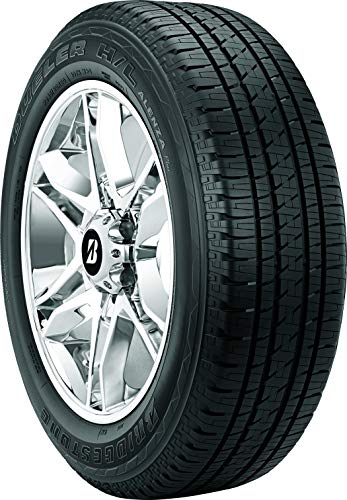 |
Bridgestone Dueler H/L Alenza Plus Best Tread Life Symmetric tread, premium touring SUV, 80,000 mile warranty |
9.1 | 🛒 Check Price |
 |
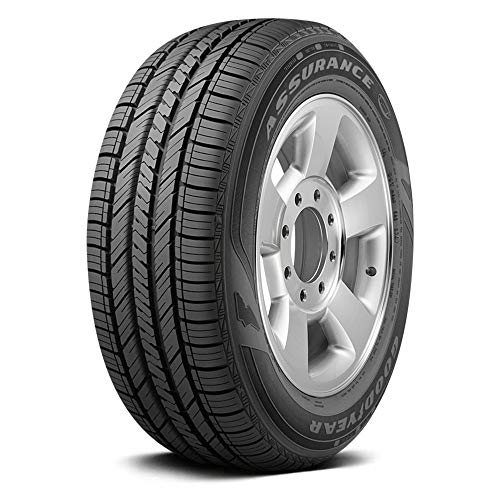
Goodyear Assurance WeatherReady Best for Wet and Snow Asymmetric tread, 3PMSF rated, 60,000 mile warranty |
9.0 | 🛒 Check Price |
 |
Michelin Defender LTX M/S Best for Durability Symmetric tread, MaxTouch compound, up to 70,000 mile warranty |
8.8 | 🛒 Check Price |
 |
Pirelli Scorpion AS Plus 3 Best Handling Asymmetric tread, 3PMSF rated, 70,000 mile warranty |
8.5 | 🛒 Check Price |
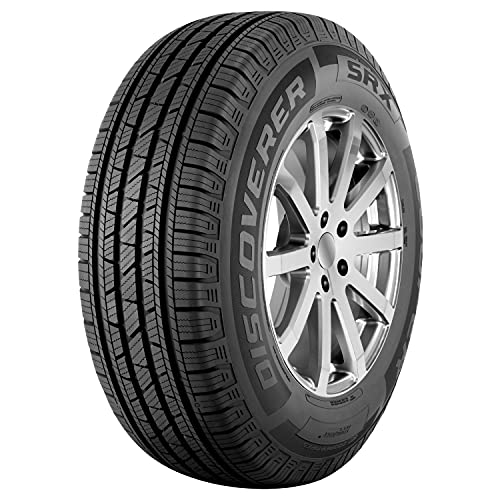 |
Cooper Discoverer SRX Best Value Symmetric tread, Wear Square indicator, up to 75,000 mile warranty |
8.2 | 🛒 Check Price |
1. Michelin CrossClimate2: Best Overall
For a Honda Pilot that sees year round duty, the Michelin CrossClimate2 is the tire we keep coming back to. It blends the long mileage and comfort of a touring tire with the cold weather grip of a light winter tire, and that combination matters on a vehicle families trust in every season. Wet braking is its standout trait, with the directional tread evacuating water aggressively so the Pilot stops short even in heavy rain. The Three Peak Mountain Snowflake rating means it bites into packed snow and slush far better than a typical all season, which is reassuring if you face occasional winter storms but don’t want a dedicated set of snow tires.
The honest weakness is noise. That same V-shaped directional tread that helps in the wet can generate a low hum on smooth highway concrete, and a few owners notice it more than they expected from a Michelin. It isn’t loud, but it’s present, and buyers chasing absolute silence may prefer a pure grand touring tire. It also commands a higher outlay than most rivals, though the long warranty and all weather versatility make that easier to justify over the life of the tire.
- Three Peak Mountain Snowflake rating for real light snow capability
- Directional tread with thermal adaptive compound for wet and cold grip
- 60,000 mile manufacturer tread life limited warranty
Pros: Outstanding wet braking and short stopping distances; Genuine light snow traction that most all season tires lack; Long lasting tread with a strong warranty
Cons: Directional pattern can produce a faint hum at certain speeds; Premium tire that asks more from your budget
2. Continental CrossContact LX25: Best for Comfort
The Continental CrossContact LX25 was engineered for exactly the kind of vehicle the Pilot is, a comfortable family crossover whose owners value a serene cabin over corner carving. On the highway it’s one of the quietest tires here, soaking up coarse pavement and expansion joints without the road roar that plagues some all season tires. The EcoPlus compound trims rolling resistance, which can nudge fuel economy in the right direction over a tank, and the up to 70,000 mile warranty is among the longest on this list. Wet grip is genuinely good, so rainy commutes never feel nervous.
Where it falls short of the CrossClimate2 is true cold weather bite. The LX25 isn’t Three Peak rated, and on packed snow it manages rather than excels, so owners in heavy snow belts may want a winter set as backup. The steering is also tuned for relaxed comfort, meaning it trades a little of the crisp response some drivers crave for a softer, cushioned feel. For most Pilot owners who prioritize a quiet, plush ride and long tread life, those are easy trade offs to accept.
- Tuned specifically for crossovers and SUVs like the Pilot
- EcoPlus compound for lower rolling resistance and better fuel economy
- Up to 70,000 mile tread life limited warranty
Pros: Very quiet and smooth on the highway; Long warranty and even tread wear; Strong wet traction with confident handling
Cons: Light snow traction is only adequate, not exceptional; Steering feel is comfort focused rather than sporty
3. Bridgestone Dueler H/L Alenza Plus: Best Tread Life
If you keep your Honda Pilot for the long haul and want a tire that goes the distance, the Bridgestone Dueler H/L Alenza Plus makes a compelling case. Its up to 80,000 mile warranty is the longest in this roundup, and the wear pattern in real world use backs that up, with owners regularly reporting even, slow wearing tread across tens of thousands of miles. It’s a premium touring tire at heart, so the cabin stays quiet and the ride stays settled, exactly what a family crossover should deliver on a long road trip.
The compromise is seasonal versatility. The Alenza Plus is a dry and wet all season tire first and foremost, and its light snow capability is modest rather than confident. In regions with real winters it’ll get you home on a dusting but shouldn’t be mistaken for a snow tire. Enthusiast drivers may also find the handling a touch soft, since the tuning leans toward comfort and longevity over crisp turn in. For mileage focused buyers, though, few tires here last as long.
- One of the longest tread warranties at up to 80,000 miles
- Premium SUV touring compound for quiet, refined miles
- Optimized contact patch for even wear and long life
Pros: Exceptional tread life and warranty coverage; Quiet and composed at highway speeds; Reliable wet and dry traction for daily driving
Cons: Winter and light snow performance is modest; Not the sharpest handling option for spirited drivers
4. Goodyear Assurance WeatherReady: Best for Wet and Snow
The Goodyear Assurance WeatherReady is built for Pilot owners who face genuinely mixed weather and want one tire that covers all of it. It carries the Three Peak Mountain Snowflake rating, putting it in the small group of all season tires that can legitimately handle packed snow, and its Evolving Traction Grooves widen as the tread wears so wet performance holds up later in the tire’s life. On rain soaked highways it feels planted and secure, which is exactly what you want when hauling a full family load through a storm.
The trade off for that all weather grip is a small amount of extra road noise compared with the quietest grand touring tires here, and a few owners notice it on smooth pavement. Dry handling is solid and predictable but doesn’t have the crisp edge of a sportier tire. Those are minor points against a tire that genuinely earns its WeatherReady name, and for buyers in snowy or rainy climates it’s one of the safest single tire choices for a Pilot.
- Three Peak Mountain Snowflake rating for severe snow service
- Evolving Traction Grooves that open as the tire wears
- 60,000 mile tread life limited warranty
Pros: Excellent rain and light snow traction; Snowflake rating for true cold weather confidence; Maintains grip as the tread wears down
Cons: Slightly more road noise than pure touring tires; Dry handling is good but not class leading
5. Michelin Defender LTX M/S: Best for Durability
The Michelin Defender LTX M/S is the choice for Pilot owners who put their crossover to work, whether that means a roof box and trailer on summer trips or rougher roads on the way to the trailhead. Built with Michelin’s MaxTouch construction and a durable EverTread compound, it’s one of the toughest tires on this list and shrugs off the kind of wear that ages softer touring tires faster. Wet braking is excellent, highway tracking is rock steady, and the higher load capability suits a Pilot that often runs fully loaded or does light towing.
That durability comes with a slightly firmer ride. The Defender is more highway truck than plush touring tire, so it transmits a little more of the road than the cushioned Continental or Bridgestone options. Light snow traction is also merely average, since this tire prioritizes all weather toughness over winter specialization. For owners who value a long lasting, hard working tire that can carry a heavy load mile after mile, the Defender LTX M/S is a dependable pick.
- MaxTouch construction spreads forces for even, long wear
- EverTread compound built to last in tough conditions
- Up to 70,000 mile tread life limited warranty
Pros: Rugged build with outstanding tread longevity; Strong wet braking and stable highway manners; Handles light towing and heavier loads well
Cons: Ride is firmer than a dedicated grand touring tire; Light snow traction is only average
6. Pirelli Scorpion AS Plus 3: Best Handling
Drivers who think their Honda Pilot should feel agile, not just comfortable, should look at the Pirelli Scorpion AS Plus 3. Pirelli built this crossover tire with an asymmetric tread and a stiffer structure that gives the Pilot crisper turn in and more confident response when you change lanes or take a ramp with intent. It also carries the Three Peak Mountain Snowflake rating, so it pairs that sporty feel with real light snow capability, and the 70,000 mile warranty is generous for a tire that leans toward performance.
The performance bias has a cost in comfort. The Scorpion AS Plus 3 rides a little firmer than the cushioned Continental and Bridgestone tires, and on coarse asphalt it can be slightly more vocal. None of that’s harsh, but buyers who prize a soft, isolated ride above all else will feel the difference. For Pilot owners who want their family crossover to handle with some enthusiasm while still covering all four seasons, this Pirelli is a satisfying balance.
- Three Peak Mountain Snowflake rating for winter capability
- Asymmetric design for responsive dry and wet handling
- 70,000 mile tread life limited warranty
Pros: Sharp, confident steering response; Snowflake rated with solid wet grip; Long warranty for a performance leaning tire
Cons: Firmer ride than comfort focused touring tires; Can be a touch noisier on coarse pavement
7. Cooper Discoverer SRX: Best Value
The Cooper Discoverer SRX proves you don’t have to stretch to a premium badge to put a capable, long lasting tire on a Honda Pilot. It delivers a quiet, comfortable highway ride thanks to Cooper’s Stable Tread Technology, backs it with an up to 75,000 mile warranty, and adds a handy Wear Square indicator that tells you how much tread life is left without a coin or a gauge. For owners who want dependable everyday performance and strong mileage without paying top tier prices, the SRX hits a sweet spot.
It does give ground to the premium tires at the edges of its envelope. Light snow traction is adequate rather than impressive, since the SRX isn’t Three Peak rated, and at the limit it doesn’t feel quite as composed or precise as a Michelin or Continental. Those are reasonable concessions for a tire that does the daily commuting and road trip work so well. For the value focused Pilot owner, it’s an easy tire to recommend.
- Stable Tread Technology for even wear and a quiet ride
- Wear Square indicator shows remaining tread life at a glance
- Up to 75,000 mile tread life limited warranty
Pros: Strong all around value for the warranty offered; Quiet, comfortable highway ride; Reliable wet and dry traction for everyday driving
Cons: Light snow traction is only adequate; Not as refined at the limit as premium rivals
Frequently Asked Questions
What tire size does a Honda Pilot use?
It depends on the model year and trim, but most Honda Pilots use one of a few common sizes. Many run 245/60R18 on 18 inch wheels, while higher trims often wear 245/50R20 or 255/50R20 on 20 inch wheels. The exact size is printed on the sticker inside your driver’s door jamb and on the sidewall of your current tires. Always match the size, load index, and speed rating listed there, and replace tires in sets of four when possible so the Pilot’s all wheel drive system stays balanced.
Do I really need snow rated all season tires for my Pilot?
If you live where winters are mild and snow is rare, a standard all season tire like the Continental CrossContact LX25 or Bridgestone Alenza Plus is plenty. But if you regularly face snow, ice, or freezing temperatures, a tire with the Three Peak Mountain Snowflake rating is worth it. The Michelin CrossClimate2, Goodyear Assurance WeatherReady, and Pirelli Scorpion AS Plus 3 all carry that rating and grip far better in cold conditions, letting one set of tires cover the whole year safely.
How long should all season tires last on a Honda Pilot?
Most quality all season tires for a Pilot carry tread warranties between 60,000 and 80,000 miles, and with regular rotations and proper inflation many owners reach those figures or come close. The Bridgestone Dueler Alenza Plus leads this list with an up to 80,000 mile warranty, followed closely by the Cooper Discoverer SRX. Real world life depends on your driving style, road conditions, and alignment. Rotating every 5,000 to 7,500 miles and keeping pressures correct are the two simplest things you can do to maximize tread life.
Will new tires improve my Honda Pilot's fuel economy?
They can, modestly. Tires with low rolling resistance compounds, such as the Continental CrossContact LX25 with its EcoPlus technology, require less energy to roll and can nudge your miles per gallon upward compared with worn or budget tires. The gains are usually small, often a fraction of a mile per gallon, so don’t expect dramatic savings. Keeping your tires properly inflated has just as much effect on economy as the compound itself, so check pressures monthly regardless of which tire you choose.
Should I replace all four tires at once on my Pilot?
Yes, replacing all four at once is strongly recommended on the Honda Pilot, especially if yours has all wheel drive. Mismatched tread depths between axles can confuse the AWD system and cause uneven drivetrain wear over time. If you must replace only two, put the new pair on the rear axle for better stability and keep the same model, size, and tread pattern. For the best handling, traction, and longevity, a full matched set of four is always the safest approach.
Our Verdict
For most Honda Pilot owners, the Michelin CrossClimate2 is our top pick. It combines long tread life, class leading wet braking, and genuine light snow capability into one tire that genuinely covers every season, which is exactly what a family crossover needs. If your priority leans toward a quieter, plusher ride with one of the longest warranties here, the Continental CrossContact LX25 is the runner up and an excellent choice. Match your pick to your climate and driving style, replace all four together, and your Pilot will reward you with confident, comfortable miles for years.