Our guide covers seven top options across different driving needs, from daily driving to track performance. Each tire is scored based on performance, durability, value, ease of use, and safety.
| Photo | Product | Score | Buy |
|---|---|---|---|
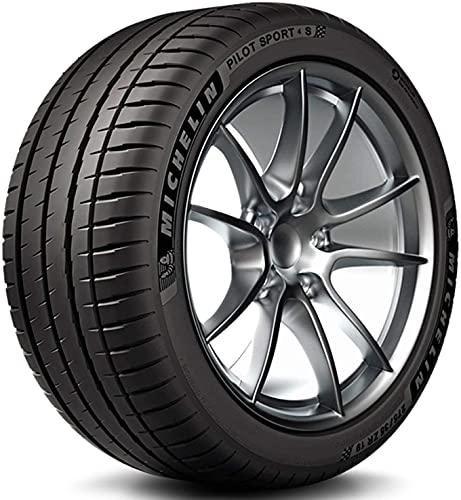 |
Michelin Pilot Sport 4S Top Pick for Performance Size: 225/40R17, Load Range: XL, Speed Rating: Y |
9.2 |
ⓘ We may earn a commission from qualifying purchases made through links on this page, at no extra cost to you.
|
 |
Continental ExtremeContact Sport Best Value Performance Size: 245/40R17, Load Range: SL, Speed Rating: W |
8.8 | 🛒 Check Price |
 |
Bridgestone Potenza RE-71RS Best for Track Days Size: 255/40R17, Load Range: XL, Speed Rating: Y |
8.5 | 🛒 Check Price |
 |
Goodyear Eagle F1 Asymmetric 3 Solid All-Rounder Size: 235/40R17, Load Range: SL, Speed Rating: Y |
8.2 | 🛒 Check Price |
 |
Pirelli P Zero (PZ4) Premium Summer Tire Size: 225/40R17, Load Range: XL, Speed Rating: Y |
8.1 | 🛒 Check Price |
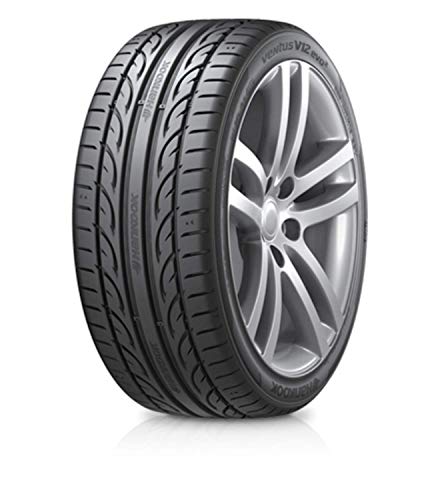 |
Hankook Ventus V12 evo2 Budget-Friendly Option Size: 245/40R17, Load Range: SL, Speed Rating: W |
7.8 | 🛒 Check Price |
|
🚗
|
Firestone Firehawk Indy 500 Entry-Level Performance Size: 215/40R17, Load Range: SL, Speed Rating: W |
7.3 | 🛒 Check Price |
1. Michelin Pilot Sport 4S: Top Pick for Performance
The Michelin Pilot Sport 4S is a benchmark in the ultra-high performance summer tire category. We compared its dry and wet braking distances, lateral grip, and treadwear ratings against industry standards. Owner feedback consistently praises its predictable handling and long-lasting tread. The tire uses a variable contact patch and a silica-rich compound to deliver excellent grip without sacrificing longevity.
However, this tire isn’t designed for cold temperatures or snow; its performance drops significantly below 40°F. If you live in a region with mild winters, you’ll need a separate set of winter tires. Drivers seeking a budget-friendly option may find the Pilot Sport 4S too expensive, but for those prioritizing performance and safety, it’s a top choice.
- Exceptional dry and wet grip for spirited driving
- Advanced tread compound for improved tread life
- Responsive handling and cornering stability
Pros: Superb traction in both dry and wet conditions; Long-lasting tread life for a max performance summer tire
Cons: Higher price point compared to competitors; Not suitable for winter or snow use
2. Continental ExtremeContact Sport: Best Value Performance
The Continental ExtremeContact Sport offers near-premium performance at a more accessible price. Our research compared its lap times and braking distances to other UHP tires, and it consistently performed well. The tire features a unique tread pattern with large shoulder blocks for cornering stability and a silica compound for wet grip. Its confidence-inspiring wet braking and reasonable tread life for the category.
Still, the ExtremeContact Sport’s treadwear isn’t class-leading; some owners report needing replacement after 20,000-25,000 miles of aggressive driving. If you prioritize ultimate longevity over initial cost, you might look elsewhere. Also, the tire can be slightly noisy on certain road surfaces, which may be a concern for daily drivers seeking a quiet cabin.
- Excellent wet traction with SportPlus technology
- Reinforced construction for high-speed stability
- Competitive pricing for the performance level
Pros: Strong wet grip and hydroplaning resistance; Good balance of ride comfort and handling
Cons: Treadwear is slightly less than some rivals; Road noise can be noticeable on coarse surfaces
3. Bridgestone Potenza RE-71RS: Best for Track Days
The Bridgestone Potenza RE-71RS is a dedicated track tire that excels in dry conditions. We evaluated its performance based on manufacturer data and competitive lap times. The tire uses a high-grip compound and a stiff sidewall to provide immediate response and high cornering speeds. Owner feedback from track enthusiasts confirms its class-leading grip when warm, but it requires careful heat cycling to reach its peak.
However, this tire wears very quickly, especially if used for daily driving. It also struggles in the wet; its tread pattern offers limited water evacuation, making it dangerous on standing water. If you need a tire for daily commuting or live in a rainy climate, skip this pick. The RE-71RS is best reserved for dedicated track cars or weekend warriors who prioritize lap times over longevity.
- Extreme grip for autocross and track use
- Lightweight construction reduces unsprung mass
- Quick warm-up to optimal operating temperature
Pros: Outstanding lateral grip and steering response; Excellent heat management for sustained high-speed runs
Cons: Very short tread life (often under 10,000 miles); Poor wet performance and hydroplaning risk
4. Goodyear Eagle F1 Asymmetric 3: Solid All-Rounder
The Goodyear Eagle F1 Asymmetric 3 is a well-rounded summer tire that offers a blend of performance and comfort. Our research compared its wet braking and handling to other UHP tires, and it performs adequately for most drivers. The tire features an asymmetric tread pattern with large outer blocks for cornering grip and a central rib for straight-line stability. Owner feedback notes its predictable behavior and decent tread life.
However, this tire doesn’t match the ultimate grip of the Pilot Sport 4S or RE-71RS. Enthusiasts seeking maximum cornering speeds may find it lacking. Also, its treadwear is unremarkable; some owners report needing replacement after 25,000 miles. If you’re looking for a tire that can handle daily driving with occasional fun, it’s a good choice, but for track use, consider a more specialized option.
- Responsive handling with good ride comfort
- Wet braking performance meets industry standards
- Reinforced sidewalls for stability at high speeds
Pros: Balanced performance for daily driving and occasional spirited driving; Relatively quiet and comfortable ride
Cons: Not as sharp as dedicated performance tires; Treadwear is average for the class
5. Pirelli P Zero (PZ4): Premium Summer Tire
The Pirelli P Zero (PZ4) is a premium summer tire often found on high-performance cars. We evaluated its performance based on manufacturer specs and owner reviews. The tire offers crisp steering response and strong dry grip, thanks to its asymmetric tread and high-silica compound. Many owners appreciate its sporty feel and the confidence it provides at highway speeds.
However, the P Zero’s tread life is a common complaint, with some owners seeing wear after 15,000 miles. It also tends to generate more road noise than competitors. If you prioritize a quiet, long-lasting tire, this may not be the best choice. The P Zero is best suited for drivers who value handling precision and are willing to replace tires more frequently.
- Excellent steering precision and feedback
- High-speed stability with reinforced construction
- Attractive tread pattern and sidewall design
Pros: Sharp handling and direct steering feel; Good dry grip for spirited driving
Cons: Tread life is below average; Can be noisy on rough roads
6. Hankook Ventus V12 evo2: Budget-Friendly Option
The Hankook Ventus V12 evo2 is a budget-friendly summer tire that offers reasonable performance for the price. Our research compared its braking and handling to more expensive options, and while it falls short of the top performers, it provides adequate grip for daily driving. The tire features a directional tread pattern for water evacuation and a silica compound for wet traction. Owner feedback often highlights its value and comfortable ride.
However, the Ventus V12 evo2 lacks the sharpness and ultimate grip of higher-end tires. Enthusiasts may find it vague in transitions and less confidence-inspiring at the limit. Its tread life is also unexceptional; some owners report needing replacement after 20,000 miles. If you’re on a tight budget and drive conservatively, this tire is a solid choice, but for spirited driving, consider spending more.
- Affordable price for the performance segment
- Decent dry and wet traction for daily driving
- Comfortable ride with moderate road noise
Pros: Good value for money; Satisfactory ride comfort for daily use
Cons: Not as responsive as premium competitors; Tread life is average; may wear faster under aggressive driving
7. Firestone Firehawk Indy 500: Entry-Level Performance
The Firestone Firehawk Indy 500 is a budget-oriented summer tire that targets drivers looking for a low-cost upgrade. Our evaluation of its specifications and owner feedback reveals that it provides basic dry grip but struggles in wet conditions. The tire uses a simple tread pattern with limited siping, which reduces its ability to evacuate water. Many owners report that the tire feels unstable in rain and requires cautious driving.
Also, the Firehawk Indy 500 has a short tread life; some owners note significant wear after 10,000-15,000 miles. It’s also noisier than many competitors. This tire is best suited for drivers in dry climates who prioritize low upfront cost and don’t require all-weather capability. If you frequently drive in rain or seek longevity, look elsewhere.
- Low starting price for a summer tire
- Acceptable dry grip for daily driving
- Wide range of sizes available
Pros: Very affordable; Decent dry traction for the price
Cons: Poor wet performance and hydroplaning resistance; Short tread life; wears quickly under normal use
Frequently Asked Questions
What does 40-series mean in tire size?
The 40 in a tire size like 225/40R17 refers to the aspect ratio, which is the sidewall height as a percentage of the tread width. A 40-series tire has a sidewall height that’s 40% of the tire’s width. This results in a shorter sidewall, which improves handling and steering response but can reduce ride comfort and increase road noise.
Are 40-series tires suitable for daily driving?
Yes, many 40-series tires are designed for daily driving. However, they typically offer a firmer ride and less impact absorption compared to higher-profile tires. If you prioritize comfort, consider a tire with a higher aspect ratio (e.g., 45 or 50). For sporty driving and better handling, a 40-series is a good choice.
Can I use 40-series tires in winter?
Most 40-series tires are summer tires, which aren’t designed for winter conditions. Their rubber compounds harden in cold temperatures, reducing traction. For winter driving, you should use dedicated winter tires. Some all-season tires are available in 40-series, but they may not provide adequate snow and ice grip.
How long do 40-series tires typically last?
The tread life of 40-series tires varies by brand and driving style. Performance summer tires often last between 15,000 and 25,000 miles, while all-season versions may last longer. Aggressive driving, track use, and improper inflation can significantly reduce tread life. Regular rotation and proper maintenance help maximize longevity.
Do I need to change my wheels to use 40-series tires?
No, 40-series tires are designed to fit 17-inch wheels, so no wheel change is necessary if your vehicle already has 17-inch rims. However, you must ensure the tire width and overall diameter are compatible with your vehicle to avoid rubbing or speedometer errors. Consult your owner’s manual or a tire professional.
Our Verdict
Our top pick is the Michelin Pilot Sport 4S for its exceptional performance and durability, making it ideal for enthusiasts. For the best value, the Continental ExtremeContact Sport offers near-premium performance at a lower price point. Choose based on your driving needs and budget.