Choosing the right tires for your vehicle is among the most critical decisions for safety and performance, yet it’s often overlooked or misunderstood. The market offers a range of options, primarily categorized into all-season, all-weather, and winter tires, each designed with specific conditions in mind. Misconceptions about their capabilities can lead to compromised handling, reduced braking effectiveness, and increased risk, especially when weather conditions are less than ideal.
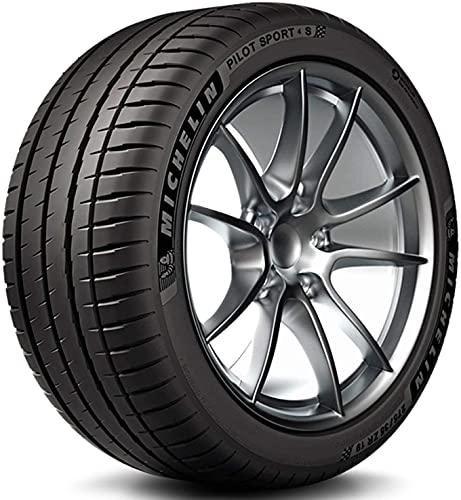
Michelin Pilot Sport 4
This guide from MustCarBeast aims to demystify these tire classifications. We’ll look at the fundamental differences in their construction, rubber compounds, and tread patterns to help you make an informed decision that aligns with your local climate, driving habits, and vehicle type. Understanding these distinctions is key to ensuring your safety and maximizing your vehicle’s potential on the road, no matter the season.
Understanding the Fundamentals: Compound, Tread, and Construction
At the heart of every tire’s performance lies its unique combination of rubber compound, tread pattern, and internal construction. These elements are engineered to work in harmony, dictating how a tire grips the road, evacuates water or snow, and withstands varying temperatures.
- Rubber Compound: This is perhaps the most critical differentiator. Softer compounds offer better grip in cold temperatures but wear faster in heat. Harder compounds last longer in warm weather but stiffen and lose grip in the cold.
- Tread Pattern: The arrangement of grooves, blocks, and sipes (small slits) on the tire’s surface. Open, aggressive patterns excel in snow and mud, while continuous ribs provide better dry grip and quietness.
- Construction: The internal belts and plies (layers of fabric and steel) determine a tire’s strength, load capacity, and how it handles different forces. Most modern tires are radial construction, offering a balance of ride comfort and handling.
The U.S. Department of Transportation (DOT) sets safety standards for tires sold in the United States, ensuring they meet minimum performance and manufacturing criteria. The Tire Identification Number (TIN), often called the DOT code, provides crucial information about the tire’s manufacturing plant, size, and date of production, which is important for safety recalls and assessing tire age.
All-Season Tires: The Generalists of the Road
All-season tires are designed to offer a balanced performance across plenty of conditions, primarily in regions that experience mild winters with infrequent or light snow. They’re the standard original equipment choice for many new vehicles in the United States.
- Rubber Compound: A compromise blend, designed to remain flexible enough in moderate cold (above 45°F or 7°C) and firm enough in warm weather without excessive wear.
- Tread Pattern: Features a combination of circumferential grooves for water evacuation and moderate siping for some light snow traction. The tread blocks are generally less aggressive than winter tires.
- Performance: They provide acceptable grip on dry and wet roads and can handle light snow. However, their performance significantly diminishes in severe cold, heavy snow, or icy conditions, where their rubber compound stiffens and their tread lacks the necessary biting edges.
For drivers in states with four distinct, but not extreme, seasons, all-season tires can be a practical year-round solution, offering convenience and a longer tread life compared to dedicated seasonal tires. However, the National Highway Traffic Safety Administration (NHTSA) emphasizes that tire performance is critical for safety, and all-season tires aren’t a substitute for winter tires in harsh conditions.
Winter Tires: Engineered for Cold and Traction
Winter tires are purpose-built for optimal performance when temperatures consistently drop below 45°F (7°C), regardless of whether there’s snow or ice on the ground. Their specialized design makes them indispensable in regions with true winter climates.
- Rubber Compound: Features a high silica content and specific polymers that remain soft and flexible even in extreme cold. This flexibility is crucial for maintaining grip on cold pavement, ice, and snow.
- Tread Pattern: Characterized by deep, aggressive tread blocks and a high density of sipes. These sipes act like thousands of tiny biting edges, providing superior traction on ice and packed snow. Wide grooves are designed to evacuate slush and snow effectively.
- The 3PMSF Symbol: A key identifier for true winter performance is the Three-Peak Mountain Snowflake (3PMSF) symbol. This symbol indicates that the tire has met specific performance criteria in snow testing, distinguishing it from all-season tires with M+S (Mud and Snow) ratings that don’t guarantee severe snow performance.
Using winter tires significantly improves braking, acceleration, and cornering in cold and wintry conditions, providing a crucial safety advantage. They aren’t just for snow; their cold-weather compound ensures better grip on dry, cold pavement too.
All-Weather Tires: Bridging the Gap
All-weather tires represent a newer category, designed to offer a stronger winter performance than traditional all-season tires, while still being suitable for year-round use. They aim to provide a ‘one-tire solution’ for drivers in regions with moderate winter conditions that don’t warrant dedicated winter tires, but where all-seasons fall short.
- Rubber Compound: A unique blend that balances flexibility in cold temperatures with durability in warmer conditions, performing better than all-seasons in the cold but not as specialized as winter tires.
- Tread Pattern: Typically features more aggressive tread designs with increased siping, often incorporating elements found in winter tires, such as directional patterns or larger shoulder blocks for better snow grip.
- 3PMSF Rating: A defining characteristic of all-weather tires is that they carry the Three-Peak Mountain Snowflake (3PMSF) symbol, signifying their certified performance in severe snow conditions. This sets them apart from most all-season tires that only have an M+S rating.
For drivers in areas experiencing occasional snowfall and cold snaps, but not prolonged severe winters, all-weather tires can offer a compelling balance of convenience and enhanced safety without the need for seasonal tire changes.
Choosing the Right Tire for Your Climate and Driving Needs
Making the correct tire choice involves a careful assessment of your local climate, typical driving conditions, and personal safety priorities.
- Mild Climates (Warm all year, or very light, infrequent snow): All-season tires are generally sufficient. They offer a good balance of performance and tread life for these conditions.
- Moderate Climates (Cold winters, some snow/ice, but not extreme): All-weather tires are an excellent option. They provide enhanced winter grip over all-seasons without the need for seasonal tire changes.
- Severe Winter Climates (Consistent cold below 45°F, heavy snow, ice): Dedicated winter tires are highly recommended for optimal safety and performance. They provide a significant advantage in braking and handling, which can be life-saving.
Consider your vehicle type as well. While the principles apply to all vehicles, a smaller front-wheel-drive car might benefit more from dedicated winter tires in snow than a heavy all-wheel-drive SUV, though both will see improved performance. Always prioritize safety, especially when driving conditions are challenging.
Tire Maintenance for Optimal Performance and Safety
Regardless of the type of tire you choose, proper maintenance is crucial for maximizing their lifespan, ensuring optimal performance, and maintaining safety. The U.S. National Highway Traffic Safety Administration (NHTSA) consistently highlights tire maintenance as a key factor in preventing accidents.
- Tire Pressure: Check your tire pressure regularly, at least once a month and before long trips, using a reliable gauge. Follow the vehicle manufacturer’s recommended pressure, found on a sticker inside the driver’s side door jamb or in your owner’s manual, not the maximum pressure listed on the tire itself. Proper inflation is critical for handling, braking, and fuel efficiency.
- Tread Depth: Monitor tread depth. Most states require a minimum tread depth of 2/32 of an inch. Worn tires significantly reduce traction, especially in wet conditions. The ‘penny test’ (inserting a penny head-first into a tread groove; if you can see Lincoln’s entire head, your tread is too shallow) is a simple way to check.
- Tire Rotation: Rotate your tires according to your vehicle manufacturer’s recommendations, typically every 5,000 to 8,000 miles. This helps ensure even wear across all four tires, extending their lifespan.
- Wheel Alignment and Balancing: Have your alignment checked periodically and tires balanced when new or after repairs. Proper alignment prevents uneven wear, and balancing eliminates vibrations.
Regular inspection for cuts, bulges, or punctures is also important. Addressing these issues promptly can prevent tire failure and ensure your tires perform as intended throughout their service life.
Frequently Asked Questions
Can I use all-season tires in light snow?
Yes, all-season tires are designed to handle light snow conditions. They typically have an M+S (Mud and Snow) rating, indicating some capability in these environments. However, their performance significantly decreases in deeper snow, on ice, or in very cold temperatures (below 45°F or 7°C) compared to dedicated all-weather or winter tires.
Are all-weather tires truly as good as winter tires in heavy snow?
While all-weather tires carry the Three-Peak Mountain Snowflake (3PMSF) symbol and offer significantly better snow performance than all-season tires, they’re generally not as good as dedicated winter tires in severe heavy snow, icy conditions, or extreme cold. Winter tires feature specialized rubber compounds and aggressive tread designs optimized for the harshest winter challenges, offering superior braking and handling in those specific scenarios.
When should I switch to winter tires?
The general recommendation is to switch to winter tires when temperatures consistently drop below 45°F (7°C). Even without snow or ice, the rubber compound of all-season and all-weather tires stiffens in these temperatures, reducing grip. Switching earlier ensures you have optimal traction and safety before the worst winter weather arrives.
What does the Three-Peak Mountain Snowflake (3PMSF) symbol mean?
The Three-Peak Mountain Snowflake (3PMSF) symbol indicates that a tire has met specific performance requirements in snow traction testing, according to industry standards. This symbol is found on all true winter tires and some all-weather tires, signifying their capability to provide reliable performance in severe snow conditions, beyond what an M+S (Mud and Snow) rating alone implies.
Do I need to replace all four tires at once, even if only one is worn?
It’s strongly recommended to replace all four tires at once, especially for all-wheel-drive (AWD) vehicles. Replacing only one or two tires can create significant differences in tread depth and circumference, which can lead to uneven wear, drivetrain stress, and compromised handling and stability. If replacing fewer than four, ensure the new tires are matched in type, brand, and tread depth to the existing ones and mounted on the same axle.
The Bottom Line
The choice between all-season, all-weather, and winter tires is more than a matter of convenience; it’s a critical safety decision that impacts your vehicle’s performance and your confidence on the road. By understanding the distinct engineering principles behind each type, drivers can make an informed choice that best suits their local climate and driving habits.
Remember that tires are your vehicle’s only contact with the road. Investing in the right set and maintaining them properly, as recommended by authorities like NHTSA and DOT, is an investment in your safety and the longevity of your vehicle. Consult your vehicle’s owner’s manual and a trusted tire professional to ensure you’re equipped for whatever the road and weather may bring.
