Discovering your car’s oil level is consistently low, or noticing a tell-tale puff of blue smoke from the exhaust, can be a concerning experience for any vehicle owner. Oil burning, an issue where engine oil enters the combustion chamber and is consumed along with fuel, signals an underlying problem that requires attention.
This guide will demystify the common culprits behind a car burning oil, explain the implications for your vehicle’s performance and longevity, and empower you with the knowledge to address these issues effectively. Understanding why your car is consuming oil is the first step toward preventive maintenance and timely repairs.
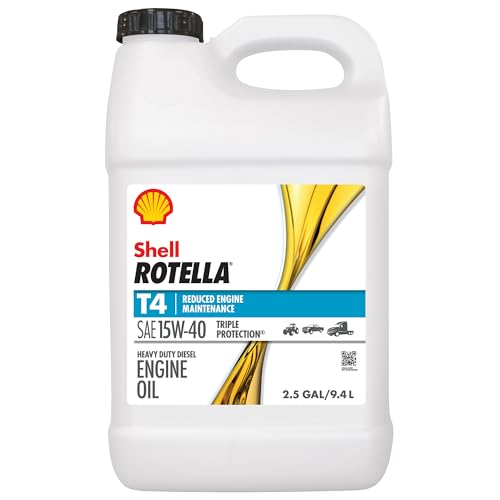
Shell Rotella T4 Triple Protection 15W-40
Understanding Normal vs. Excessive Oil Consumption
Not all oil consumption is a sign of a problem. Modern engines, with their tighter tolerances and advanced designs, can still consume a small amount of oil during normal operation. This is often due to oil lubricating the cylinder walls and valves, with a minute amount burning off during the combustion process. Many manufacturers consider consumption of approximately one quart per 1,000 to 3,000 miles to be within an acceptable range, though this can vary significantly by engine design and manufacturer specifications.
However, when consumption exceeds these guidelines, or if you frequently need to add oil between scheduled changes, your vehicle is likely experiencing excessive oil burning. This is often accompanied by noticeable symptoms and indicates a mechanical issue that needs investigation.
Worn Internal Engine Components
The most common reasons for excessive oil burning stem from the wear and tear of critical engine components that are designed to keep oil contained within the crankcase and cylinder head. Over time, these parts can degrade, allowing oil to escape into the combustion chamber or exhaust system:
- Piston Rings: These rings seal the combustion chamber and scrape excess oil off the cylinder walls. If piston rings become worn, broken, or clogged with carbon deposits, they can fail to seal properly, allowing oil to bypass into the combustion chamber where it’s burned.
- Valve Stem Seals: Located on the valve stems, these small seals prevent oil from the cylinder head (which lubricates the valvetrain) from leaking down into the combustion chamber. When these seals harden, crack, or wear out, they lose their ability to contain the oil, especially when the engine is cold or decelerating.
- Cylinder Walls: While less common than ring or seal issues, excessive wear or damage to the cylinder walls themselves can create pathways for oil to enter the combustion chamber.
PCV System Malfunctions
The Positive Crankcase Ventilation (PCV) system is crucial for managing internal engine pressures and emissions. It vents blow-by gases (combustion gases that escape past the piston rings) from the crankcase back into the intake manifold to be re-burned. A properly functioning PCV system helps prevent pressure buildup that could otherwise force oil past seals and gaskets.
If the PCV valve becomes clogged or stuck, or if its associated hoses are cracked or blocked, it can lead to several problems:
- Increased Crankcase Pressure: A blocked PCV system can cause pressure to build up, forcing oil past piston rings, valve seals, or even crankshaft seals.
- Oil Drawn into Intake: A faulty PCV valve can also directly draw excessive amounts of oil vapor into the intake manifold, where it’s then burned along with the fuel.
Regular inspection and replacement of the PCV valve, as recommended by the manufacturer, is a simple and effective preventative measure. The U.S. Environmental Protection Agency (EPA) emphasizes the importance of properly functioning emissions systems, which includes the PCV system, for reducing air pollution.
Turbocharger Issues (For Turbocharged Vehicles)
For vehicles equipped with a turbocharger, this component can also be a source of oil burning. Turbochargers operate at extremely high speeds and temperatures, relying on engine oil for lubrication and cooling. They contain seals (often referred to as oil seals or piston rings) that keep oil within the turbocharger’s housing and away from the exhaust and intake sides.
If these turbocharger seals become worn, damaged, or caked with carbon deposits, oil can leak into the exhaust manifold, producing blue smoke, or into the intake system, where it’s then consumed by the engine. A failing turbocharger can lead to significant oil consumption and a noticeable drop in performance.
Incorrect Oil Viscosity and Quality
The type and quality of engine oil you use play a significant role in your engine’s health and oil consumption. Using an oil with an incorrect viscosity for your engine’s design or operating conditions can exacerbate oil burning. For example, an oil that’s too thin (lower viscosity) may more easily bypass worn piston rings or valve seals, particularly in older or high-mileage engines. The Society of Automotive Engineers (SAE) defines the viscosity grades found on oil bottles (e.g., 5W-30, 0W-20).
Also, using low-quality oil or extending oil change intervals beyond manufacturer recommendations can lead to oil degradation and sludge buildup. This sludge can clog oil passages and piston rings, accelerating wear on internal components and contributing to oil burning. The American Petroleum Institute (API) sets performance standards for engine oils, and using an API-certified oil that meets your vehicle manufacturer’s specifications is crucial for optimal engine protection.
Diagnosing and Addressing Oil Burning
Identifying the exact cause of oil burning often requires a professional diagnosis, but there are several signs you can look for:
- Blue Smoke from Exhaust: This is the most classic symptom of oil burning, especially noticeable during startup, acceleration, or deceleration.
- Frequent Low Oil Levels: If you consistently find your oil dipstick showing low levels between oil changes, it’s a clear indicator.
- Fouled Spark Plugs: Oil burning can leave oily, black deposits on spark plugs, affecting engine performance.
- Oil Smell: A distinct smell of burning oil, especially after driving, can indicate an issue.
- Engine Performance Issues: Reduced power, rough idling, or misfires can also be symptoms, as oil burning can impact combustion efficiency.
If you suspect your car is burning oil excessively, it’s advisable to consult a qualified automotive technician. They can perform diagnostic tests, such as compression and leak-down tests, to pinpoint the source of the problem. Addressing oil burning promptly is important not only for your engine’s longevity but also to prevent potential catalytic converter damage from unburned oil and to adhere to environmental emissions standards.
Frequently Asked Questions
Is some oil consumption normal for a car?
Yes, a minor amount of oil consumption is considered normal for most engines, especially modern designs. Manufacturers often specify an acceptable rate, which can be around one quart per 1,000 to 3,000 miles. However, consumption significantly exceeding this range typically indicates an underlying issue.
What color smoke indicates a car is burning oil?
Blue or bluish-gray smoke emanating from the exhaust pipe is the classic indicator of a car burning oil. White smoke usually suggests burning coolant, while black smoke points to an overly rich fuel mixture.
Can I fix oil burning myself?
The ability to fix oil burning yourself depends on the cause and your mechanical expertise. Simple issues like a clogged PCV valve can often be replaced by a DIY enthusiast. However, problems involving worn piston rings, valve seals, or turbocharger seals are complex internal engine repairs that generally require specialized tools and professional experience.
What are the long-term effects of a car burning oil?
Long-term effects of unchecked oil burning can include accelerated engine wear due to insufficient lubrication, fouled spark plugs leading to misfires and reduced performance, and damage to the catalytic converter from unburned oil residues, which can be an expensive repair and impact emissions. It can also lead to premature engine failure.
How often should I check my car's oil level?
It’s generally recommended to check your car’s oil level at least once a month, or every time you refuel, especially if your vehicle is older or has high mileage. Always check the oil when the engine is cool and parked on a level surface for the most accurate reading, following your owner’s manual instructions.
The Bottom Line
Oil burning in a vehicle is more than just an inconvenience; it’s a critical signal from your engine that demands attention. From worn internal components like piston rings and valve seals to issues within the PCV system or a failing turbocharger, understanding the potential causes is key to effective diagnosis and repair. Regular oil level checks, adherence to manufacturer-recommended oil change intervals, and using the correct oil viscosity are fundamental practices that contribute significantly to engine health.
If you suspect your car is burning oil, prompt action is crucial. Consulting a certified automotive technician for a thorough diagnosis can save you from more extensive and costly repairs down the line, ensuring your vehicle remains reliable and performs efficiently for years to come.


