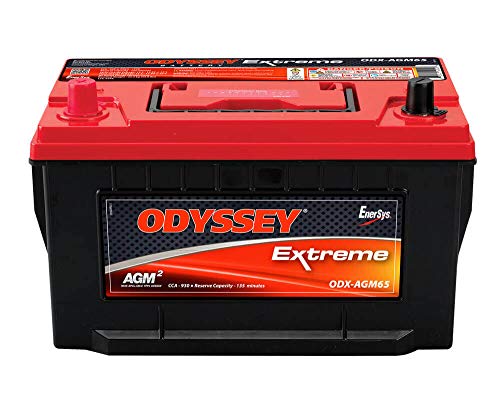
Dead battery recovery fails because most batteries are already too damaged to accept a charge. Sulfation, internal short circuits, and age-related degradation prevent recharging, making replacement the only reliable solution. Understanding these failure modes helps you decide when to attempt recovery and when to buy a new battery.
Sulfation: The Most Common Killer
Sulfation occurs when lead sulfate crystals harden on the battery plates after prolonged discharge. This chemical reaction is reversible early on, but if the battery sits dead for weeks or months, the crystals grow too large and block the chemical reaction needed to hold a charge. Even a high-quality charger may not break down these crystals. A battery with severe sulfation often shows a surface charge that quickly drops under load. Recovery is possible only with a desulfation charger and only if the battery is less than three years old. Otherwise, replacement is cheaper and more reliable.
Internal Short Circuits and Physical Damage
Internal short circuits happen when separator material fails, allowing plates to touch. This can result from vibration, manufacturing defects, or freezing. A shorted battery will read 0 volts or heat up rapidly during charging. No recovery method can fix a physical short; the battery must be recycled. Similarly, cracked cases from overcharging or impact cause acid leaks and loss of electrolyte. Always inspect for bulging, cracks, or corrosion before attempting recovery. If you see damage, skip the charger and learn how to choose a replacement battery.
Age and Capacity Loss
All batteries degrade with time. A typical lead-acid battery lasts 3 to 5 years, while AGM batteries may reach 6 years. After that, internal resistance increases and capacity drops. Even if a dead battery seems to accept a charge, its usable capacity may be below 50% of the original. This means it’ll fail again quickly, especially in cold weather or under high-demand starts. For cars with start-stop systems, a degraded battery can cause electrical issues. Recovery attempts on old batteries waste time and money. A load test after charging reveals true health: if voltage drops below 9.6V at 32°F, replace it.
Charger Limitations and User Errors
Not all chargers can revive deeply discharged batteries. Standard trickle chargers may not detect a battery below 5 volts, so they refuse to charge. Smart chargers with recovery modes can sometimes help, but they require patience: desulfation can take 24 to 72 hours. Users often abort too early or use the wrong settings. For example, charging a 12V battery with a 6V charger does nothing. Also, connecting cables in reverse polarity can blow internal fuses or damage the charger. Always follow the charger manual and verify voltage with a multimeter. If you need a reliable charger, check out our recommended OBD2 scanners for battery diagnostics.
Frequently Asked Questions
Can a completely dead battery be recharged?
Yes, but only if it isn’t sulfated or physically damaged. A battery with a resting voltage above 10 volts has a good chance. Below that, recovery is unlikely without a special charger. Even then, expect reduced capacity.
How long does it take to recover a dead battery?
With a desulfation charger, it can take 24 to 72 hours. If the battery doesn’t hold a charge after that, it’s dead. Quick charging in 2 hours often fails because it doesn’t address sulfation.
Should I try to recover a battery that’s over 5 years old?
No. At that age, internal degradation makes recovery pointless. Replacement is more cost-effective and reliable. A new battery will last years longer than a revived old one.
The Bottom Line
Dead battery recovery fails most often because the battery is sulfated, shorted, or simply too old. While desulfation chargers can work on younger batteries, success isn’t guaranteed. Save time and frustration by testing the battery’s condition first. If it fails a load test or is over four years old, buy a new battery. For more battery care tips, visit our battery category page.