Tires are your vehicle’s only contact with the road, making their condition paramount for safety, handling, and braking performance. Knowing when to replace your tires isn’t just about avoiding a flat; it’s about preventing accidents and maintaining optimal vehicle control. This guide will walk you through the key indicators and best practices for determining when it’s time for new rubber, helping you make informed decisions to keep your vehicle safe and reliable.
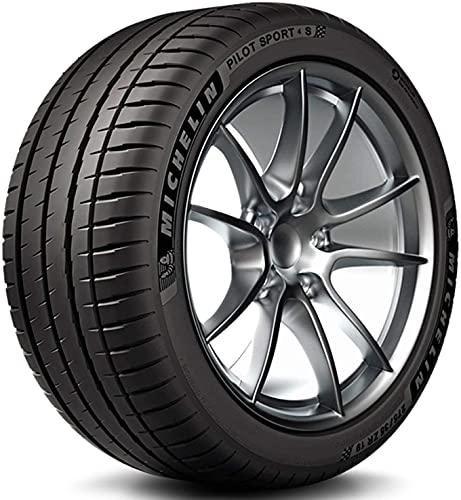
Michelin Pilot Sport 4
Ignoring worn or damaged tires can lead to reduced traction, increased stopping distances, and a higher risk of hydroplaning or blowouts. By understanding the critical signs and recommended timelines for tire replacement, you can ensure your vehicle remains safe and performs as intended, protecting yourself and others on the road.
Tread Depth: The Critical Measurement
The most widely recognized indicator for tire replacement is tread depth. New tires typically have 10/32 or 11/32 of an inch of tread. However, the legal minimum tread depth in most US states, and the recommendation from organizations like the National Highway Traffic Safety Administration (NHTSA), is 2/32 of an inch. At this depth, your tires’ ability to grip the road in wet conditions is significantly compromised, increasing the risk of hydroplaning.
- The Penny Test: A simple and effective way to check your tread depth is with a US penny. Insert a penny into a tread groove with Abraham Lincoln’s head upside down and facing you. If you can see the very top of Lincoln’s head, your tread is likely at or below 2/32 of an inch and it’s time for new tires.
- Tread Wear Indicators: Modern tires are manufactured with built-in tread wear indicator bars (also known as wear bars). These are small, raised bars located in the main grooves of the tire. When your tire tread wears down to be flush with these bars, it signifies that your tread depth has reached 2/32 of an inch, signaling the need for replacement.
The Age Factor: When Time Runs Out
Even if a tire appears to have adequate tread depth, its age can be a critical factor in its safety and performance. Rubber components degrade over time due to exposure to UV light, heat, road chemicals, and general environmental factors. This degradation can lead to cracking, weakening of the tire’s structure, and an increased risk of failure.
- Manufacturer Recommendations: Most tire manufacturers and automotive experts, including those consulted by NHTSA, recommend replacing tires that are six years old, regardless of visible wear. Some manufacturers specify a maximum of 10 years from the date of manufacture, even if the tires appear to be in good condition and haven’t reached the minimum tread depth.
- Why Age Matters: The rubber compounds in tires lose their elasticity and strength over time, a process known as ‘dry rot’ or ‘ozone cracking.’ This can lead to reduced grip, increased susceptibility to punctures, and the potential for sudden tread separation or blowouts, especially at highway speeds.
Visible Signs of Wear and Damage
Beyond tread depth and age, a visual inspection can reveal critical issues that warrant immediate tire replacement. Regular checks for physical damage are essential for safety.
- Cracks in the Sidewall: Fine cracks or severe weather cracking on the sidewall indicate the rubber is deteriorating. Deep or extensive cracking can compromise the tire’s structural integrity and lead to a blowout.
- Bulges or Blisters: A bulge or blister on the sidewall is a serious sign of internal damage. It means the inner layers of the tire have failed, and air pressure is pushing the outer layers outward. This is a highly dangerous condition that could result in a sudden, catastrophic tire failure.
- Punctures and Repairs: While minor punctures in the tread area can often be professionally repaired, punctures in the sidewall or those larger than a quarter-inch are typically not repairable and necessitate tire replacement. The Tire Industry Association (TIA) and Rubber Manufacturers Association (RMA) have specific guidelines for safe tire repair.
- Uneven Wear Patterns: Irregular wear, such as wear on only one side of the tire (feathering) or patches of excessive wear (cupping), can indicate underlying mechanical issues like improper wheel alignment, unbalanced tires, or worn suspension components. While not always a direct sign of needing new tires, severe uneven wear can accelerate the need for replacement and should prompt a professional inspection of both tires and vehicle alignment.
Performance Degradation: What Your Car Tells You
Sometimes, your car’s behavior can be the first clue that your tires are past their prime. Pay attention to changes in how your vehicle drives, especially if they occur gradually.
- Increased Vibrations: While vibrations can be caused by various issues, excessive or unusual vibrations, particularly at certain speeds, can indicate tire problems such as uneven wear, internal damage, or an out-of-balance tire. If balancing doesn’t resolve the issue, tire replacement may be necessary.
- Reduced Handling and Responsiveness: Worn tires have less grip, which can manifest as a ‘loose’ or ‘squishy’ feeling in the steering, especially when cornering. Your vehicle may not respond as sharply to steering inputs as it once did.
- Longer Stopping Distances: Reduced tread depth directly impacts braking performance, particularly on wet or slippery surfaces. If you notice your car taking longer to stop, especially during sudden braking, your tires may be a significant contributing factor.
- Hydroplaning: If your vehicle frequently hydroplanes (loses traction on wet roads) at speeds where it previously maintained grip, it’s a strong indication that your tire treads are no longer effectively dispersing water, signaling a need for replacement.
Understanding Your Tire's Birthdate: The DOT Code
Every tire sold in the US carries a Department of Transportation (DOT) code on its sidewall. This alphanumeric sequence provides crucial information, including the tire’s manufacturing date, which is essential for assessing its age.
- Locating the DOT Code: The DOT code is typically a series of 10 to 12 characters, often beginning with ‘DOT’. The last four digits represent the week and year the tire was manufactured. For example, ‘2223’ would mean the tire was made in the 22nd week of 2023.
- Why it’s Important: Knowing the manufacturing date allows you to track the tire’s age, even if it hasn’t been in active use for its entire life. Stored tires still age, and understanding this date helps adhere to the 6-year inspection and 10-year maximum replacement guidelines recommended by manufacturers and safety organizations.
The Importance of Professional Tire Inspections
While regular self-inspections are vital, a professional tire inspection by a certified technician offers a comprehensive assessment that goes beyond what you can typically observe. Technicians have specialized tools and expertise to identify subtle issues.
- When to Get an Inspection: It’s advisable to have your tires professionally inspected at least once a year, or more frequently if you drive in harsh conditions, experience any of the performance degradation signs, or suspect damage.
- What Professionals Check For: Technicians won’t only assess tread depth and visible damage but also check for proper inflation, balance, alignment, and internal damage that might not be apparent from the outside. They can also provide expert advice on tire rotation schedules and recommend appropriate replacements based on your vehicle and driving habits. Organizations like the Automotive Lift Institute (ALI) emphasize the importance of proper vehicle lifting procedures for safe and effective tire and undercarriage inspections.
Frequently Asked Questions
How often should I check my tire tread?
You should check your tire tread depth at least once a month, and always before long trips. The penny test is a quick and easy method for a basic check, but a dedicated tread depth gauge provides a more accurate measurement.
Can I replace just two tires instead of all four?
While it’s generally recommended to replace all four tires at once for optimal handling and performance, replacing just two is sometimes an option, especially for front-wheel-drive vehicles. If replacing only two, the new tires should always be installed on the rear axle to provide better wet traction and reduce the risk of oversteer, regardless of whether the vehicle is front-wheel, rear-wheel, or all-wheel drive. Consult with a tire professional for specific recommendations for your vehicle.
What is the DOT code and where do I find it?
The DOT (Department of Transportation) code is a series of characters on your tire’s sidewall that includes information about the tire’s manufacturing plant and, most importantly for consumers, its date of manufacture. The last four digits of the DOT code indicate the week and year the tire was produced (e.g., ‘3522’ means the 35th week of 2022).
Does uneven tire wear mean I need new tires?
Uneven tire wear often indicates an underlying mechanical issue such as improper wheel alignment, unbalanced tires, or worn suspension components. While severe uneven wear can accelerate the need for new tires, addressing the root cause is crucial. A professional inspection can diagnose the problem and recommend necessary repairs or adjustments to prevent future premature wear.
Are spare tires subject to the same replacement rules?
Yes, spare tires, especially full-size spares, are subject to the same age and condition recommendations as your primary tires. Even if unused, the rubber degrades over time. ‘Donut’ or temporary spare tires also have age limits and are designed for very limited, short-distance use only, and should be checked for condition before use.
The Bottom Line
Understanding when to replace your tires is a fundamental aspect of responsible vehicle ownership and crucial for road safety. By regularly inspecting your tires for adequate tread depth, checking their age, looking for visible damage, and paying attention to your vehicle’s performance, you can proactively address potential issues. When in doubt, always seek the advice of a certified tire professional. Prioritizing timely tire replacement ensures your vehicle maintains optimal handling, braking, and stability, providing confidence for every journey.
