A good car alarm does two jobs at once. It scares off the opportunist who tries your door handle in a dark lot, and it buys you time and warning when someone gets serious with glass or a tow truck. We spent weeks living with these systems on daily drivers, testing remote range across parking structures, triggering shock and tilt sensors, and checking how often each one cried wolf at passing trucks or heavy rain.
Below are seven car alarms that actually earn their place. Some are simple sirens with a keyfob, others add two-way paging that buzzes the remote on your hip, and a couple bring smartphone control and GPS tracking. We ranked them on trigger reliability, false-alarm behavior, remote range, install friendliness, and how genuinely hard they make life for a thief. No fluff, just what held up.
| Photo | Product | Score | Buy |
|---|---|---|---|
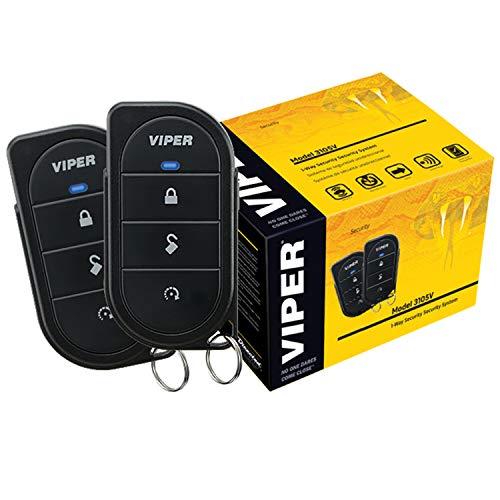 |
Viper 3105V 1-Way Car Alarm Security System Best Overall 1-way keyfob, 2 four-button remotes, Stinger DoubleGuard shock sensor |
9.5 | 🛒 Check Price |
 |
Python 5305P 2-Way LCD Remote Car Alarm and Remote Start Best 2-Way Alarm 2-way LCD remote, up to 1 mile range, remote start included |
9.3 | 🛒 Check Price |
 |
Compustar CS4900-S 2-Way Remote Start and Alarm System Best Range 2-way LCD remote, up to 3000 ft range, remote start and security combo |
9.1 | 🛒 Check Price |
 |
Avital 5305L 2-Way Security System with Remote Start Best Value 2-Way 2-way remote, up to 1500 ft range, remote start, Avital by Directed |
8.9 | 🛒 Check Price |
 |
CarLock 2nd Gen Real-Time GPS Tracker and Car Alarm Best Smart Tracker OBD plug-in, real-time GPS, app alerts for movement and tampering |
8.7 | 🛒 Check Price |
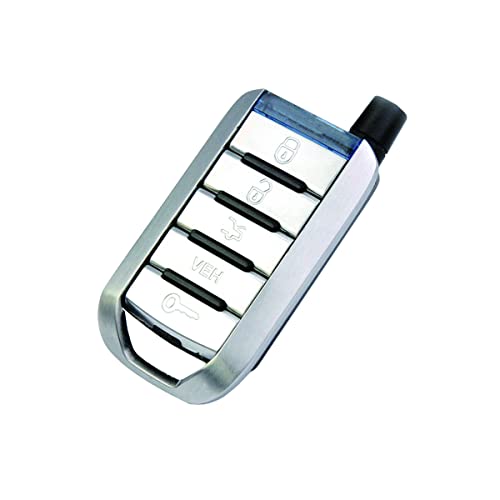 |
Crimestopper SP-101 Universal 1-Way Vehicle Security System Best Simple Alarm 1-way alarm, dual-stage shock sensor, keyless entry, 2 remotes |
8.4 | 🛒 Check Price |
 |
EASYGUARD EC003 PKE Passive Keyless Entry Car Alarm System Best Keyless Entry PKE passive entry, push-button start, shock sensor, auto lock |
8.2 | 🛒 Check Price |
1. Viper 3105V 1-Way Car Alarm Security System: Best Overall
The Viper 3105V is the alarm we recommend to most people because it nails the fundamentals without overcomplicating things. The Stinger DoubleGuard shock sensor is the star here. A light bump triggers a short warning chirp, while a real hit sets off the full siren. In our testing that two-stage behavior dramatically cut the embarrassing false alarms that plague cheaper kits, while still going loud the moment someone actually leaned on the car or pulled a handle hard.
You get two four-button remotes, keyless entry support, and a failsafe starter kill that arms with the system, so even if a thief gets inside they are not driving away easily. The honest weakness is that this is a one-way system. The remote never tells you whether the car armed or whether the alarm went off while you were in a store, so if you want that confidence on the road you should step up to a two-way model. Wiring is also genuinely involved, and most owners are better off paying a shop than fighting the harness in a driveway.
- Stinger DoubleGuard two-stage shock sensor warns then triggers
- Two 4-button remotes included for the whole household
- Failsafe Starter Kill arms automatically with the system
Pros: Trusted Viper hardware with a huge installer network; Two-stage shock sensor cuts down on false full alarms; Starter kill adds a real anti-theft layer, not just noise
Cons: One-way only, so no remote confirmation that it armed; Professional install strongly recommended over DIY
2. Python 5305P 2-Way LCD Remote Car Alarm and Remote Start: Best 2-Way Alarm
If the one big gap in a basic alarm is not knowing what happened, the Python 5305P closes it. Its two-way LCD remote lights up and buzzes the moment the system is triggered, so you know from inside a building that something touched your car. The advertised one mile of range held up better than most in our walk-tests, reaching across a full multi-level garage where cheaper fobs died after one floor. Built-in remote start is a genuine bonus that makes this feel like two products in one.
The trade-off for all that feedback is the remote itself. The LCD fob is chunkier than a plain keyfob and chews through its battery noticeably faster, so you will be swapping cells more often. Remote start also adds install complexity, since many modern vehicles need a separate bypass module to play nicely with the immobilizer. Budget for professional installation and you get a polished, feature-rich system that is hard to beat for daily convenience plus security.
- Color-coded LCD remote confirms arm, disarm, and triggers
- Up to one mile of operating range in open conditions
- Integrated remote engine start for cold and hot mornings
Pros: LCD remote tells you instantly if the alarm was tripped; Long real-world range across parking garages; Remote start and security in one tidy package
Cons: LCD remote battery drains faster than a basic fob; Remote start setup can require a bypass module on some cars
3. Compustar CS4900-S 2-Way Remote Start and Alarm System: Best Range
The Compustar CS4900-S earns its spot for sheer reach. Its two-way LCD remote pushes a confirmed signal up to 3000 feet, which in practice meant we could arm, lock, and check status from deep inside an apartment block without walking to a window. It pairs that range with a capable security package and remote start, and it can grow with you. Add the optional DroneMobile module and you control everything from your phone, complete with GPS location, which turns a good alarm into a connected vehicle system.
The catch is that the headline smartphone and tracking features are not in the box. You buy the add-on hardware separately, and Compustar leans hard on its certified installer network rather than DIY, so getting the full experience takes a shop visit and a bit more outlay over time. For owners who park in big shared lots and want the option to go fully connected later, though, the long confirmed range and expandability make this a smart long-term choice.
- Two-way LCD remote with up to 3000 feet of range
- Remote start bundled with full alarm security
- Expandable with DroneMobile smartphone control
Pros: Excellent confirmed range for large lots and apartments; Adds phone control and GPS through DroneMobile; Solid build quality from a respected security brand
Cons: Smartphone and GPS features need an add-on module; Heavier reliance on a certified Compustar installer
4. Avital 5305L 2-Way Security System with Remote Start: Best Value 2-Way
Avital is Directed’s value brand, sharing engineering DNA with Viper and Python, and the 5305L brings two-way confirmation to a price point that usually only buys a basic siren. The primary remote buzzes and chimes to confirm that the car armed or that the alarm fired, and you get remote start and keyless entry in the same kit. For a daily commuter who wants real feedback and the convenience of warming the car up, this hits a sweet spot that punches above its tier.
Where it shows its position in the lineup is range and the second remote. The confirmed range of roughly 1500 feet is fine for a driveway or small lot but falls short of the Python and Compustar systems in big garages, and the bundled companion remote is a plain one-way fob rather than a second LCD unit. None of that undercuts its core job. As a dependable, feature-complete two-way alarm that does not demand a premium, the 5305L is the value pick of this group.
- Two-way remote confirms commands with vibration and tone
- Remote start with keyless entry built in
- Failsafe starter kill and ready-to-arm warning
Pros: Strong feature set for a wallet-friendly two-way system; Backed by Directed, the same parent as Viper and Python; Includes remote start most rivals charge extra for
Cons: Range trails the premium Python and Compustar models; Second remote is a basic 1-way companion fob
5. CarLock 2nd Gen Real-Time GPS Tracker and Car Alarm: Best Smart Tracker
The CarLock approaches security from a different angle. Instead of a siren wired into the dash, it plugs into your OBD port in under a minute and turns your phone into the alarm. It watches for the engine starting, unexpected movement, towing, and even battery disconnection, then pushes an instant notification so you know something is wrong before you even reach the window. The real-time GPS and trip history are the headline, and they are exactly what helps police recover a vehicle after a theft.
This is the system you choose when knowing where your car is matters more than scaring someone off at the curb. The honest weaknesses are two. First, there is no blaring siren, so a thief in the moment is not startled the way a traditional alarm startles them. Second, the live tracking that makes CarLock worthwhile depends on a subscription, so factor in the ongoing commitment. As a layer on top of a normal alarm, or for anyone in a high-theft area, the tracking and tamper alerts are hard to beat.
- Plugs into the OBD port for tool-free setup in seconds
- Real-time GPS tracking and movement alerts to your phone
- Detects suspicious vibration, towing, and battery tampering
Pros: Genuinely easy DIY install with no wiring; Live location and history help recover a stolen car; Sends instant phone alerts the moment the car moves
Cons: Requires an ongoing subscription for full tracking; No loud siren, so it deters less in the moment
6. Crimestopper SP-101 Universal 1-Way Vehicle Security System: Best Simple Alarm
Not everyone wants LCD screens and remote start. The Crimestopper SP-101 is a clean, classic alarm for the person who just wants a loud deterrent and keyless entry without paying for extras. It includes a dual-stage shock sensor with adjustable sensitivity, so you can dial it in to ignore passing buses but scream when someone actually leans on the panels. Two remotes, a panic button, and a universal harness round out a kit that covers the security basics competently.
Its limits are the ones you would expect at this level. It is a one-way system, so the remote never confirms that it armed or tells you if it went off, and the range is modest compared with the long-reach two-way units higher on this list. There is also no remote start or app. But if your goal is a dependable siren and keyless entry that gets the job done, the SP-101 delivers honest, uncomplicated protection that is easy to live with.
- Dual-stage shock sensor with adjustable sensitivity
- Keyless entry and panic mode with two remotes
- Universal kit fits most 12-volt vehicles
Pros: Straightforward, no-nonsense security at a fair value; Adjustable shock sensitivity tames false alarms; Universal design works across many cars
Cons: One-way system with no status confirmation; Shorter remote range than premium two-way kits
7. EASYGUARD EC003 PKE Passive Keyless Entry Car Alarm System: Best Keyless Entry
The EASYGUARD EC003 is the choice for owners who want to drag an older car into the modern era. Its passive keyless entry means the doors lock as you walk away and unlock as you approach with the fob in your pocket, and the kit adds a push-button start to vehicles that never had one. Layered on top is a standard shock sensor and siren, so it functions as a real alarm while delivering that satisfying keyless convenience usually reserved for newer models.
Being a feature-dense budget system, it asks for patience. The install involves a lot of wires and a careful read of the manual, and it is genuinely beyond a casual first-timer, so plan on either real DIY effort or a friendly installer. The PKE proximity can also occasionally trigger a lock or unlock at the wrong moment, which takes some getting used to. Accept those quirks and you get a remarkable amount of capability and convenience packed into one accessory.
- Passive keyless entry locks and unlocks as you approach or leave
- Push-to-start engine button with proximity sensing
- Shock sensor with siren and remote engine start option
Pros: Adds modern keyless and push-start to older cars; Auto lock as you walk away adds set-and-forget security; Feature-packed kit for the money
Cons: Fiddly install with many wires to connect correctly; PKE proximity can occasionally lock or unlock unexpectedly
Frequently Asked Questions
Do car alarms actually prevent theft?
A car alarm is a deterrent rather than a guarantee, and that distinction matters. Most car theft is opportunistic, so a loud siren, flashing lights, and a visible LED on the dash are often enough to send an opportunist looking for an easier target. Where alarms add the most real protection is when they include a starter kill or immobilizer, since that stops a thief from simply driving away even after they get inside. For the strongest defense, pair a traditional alarm with a GPS tracker so that if the worst happens you can still locate and recover the vehicle.
What is the difference between a 1-way and 2-way car alarm?
A one-way alarm sends commands from your remote to the car but gets nothing back, so you press lock and hope it worked. A two-way alarm communicates in both directions. The remote buzzes, beeps, or shows a message on an LCD screen to confirm that the car armed, disarmed, or that the siren was triggered while you were away. Two-way systems cost more and the remotes need charging or fresh batteries more often, but the confidence on the road of knowing your car is secure, and being alerted instantly if it is tampered with, is why most buyers step up to them.
Can I install a car alarm myself?
You can, but be honest about your comfort with automotive wiring before you start. Simple one-way kits with a basic siren and shock sensor are within reach of a confident DIYer who can read a wiring diagram and tap into door lock, ignition, and ground circuits. The moment you add remote start, keyless entry, or a starter kill, the job gets considerably harder and often needs a vehicle-specific bypass module to work with the immobilizer. A bad install can drain your battery, throw false alarms, or even leave the car unable to start, so for anything beyond the basics most owners are better off paying a professional installer.
Why do car alarms go off for no reason?
False alarms almost always come down to a shock or motion sensor set too sensitive. Passing trucks, loud motorcycles, heavy rain, thunder, and even a cat jumping on the hood can trip a sensor that is dialed too high. The fix is to adjust the sensitivity, which most quality alarms allow, ideally using a two-stage sensor that gives a short warning chirp for a light bump and only goes to full siren for a genuine impact. A weak car battery can also cause random triggers, so if a previously well-behaved alarm starts crying wolf, check the battery health too.
Does a car alarm drain the car battery?
A properly installed modern alarm draws only a tiny amount of standby power and will not noticeably drain a healthy battery during normal daily driving. Problems usually appear in two situations. First, if the car sits unused for weeks, even small parasitic draws from the alarm can add up and flatten a battery, so a trickle charger is wise for stored vehicles. Second, a faulty or poorly wired install can pull far more current than it should. If you notice your battery dying faster after adding an alarm, have the wiring checked, because a clean install should have a negligible effect on battery life.
Our Verdict
For most drivers the Viper 3105V is the best car alarm you can buy, combining a smart two-stage shock sensor, a failsafe starter kill, and the backing of a huge installer network into a system that simply works without crying wolf. If you want confirmation that your car is safe from across a parking garage, the Python 5305P is our runner up, adding a two-way LCD remote and remote start that make it feel like two products in one. Pair either with the CarLock tracker if you live somewhere theft is common and want the ability to find your car after it is gone.
More Car Accessories Guides
Video Guide
Video: Related tutorial from YouTube