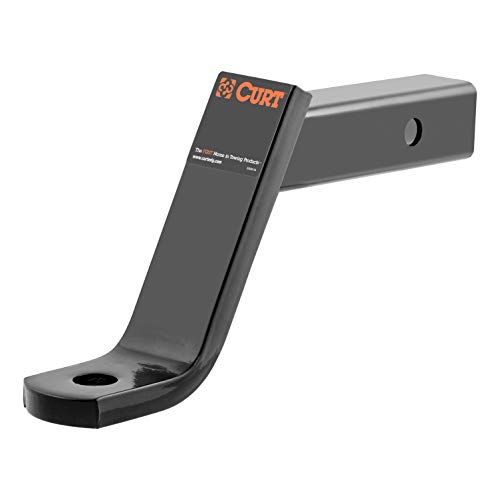
Few things get your heart racing on the highway like feeling your trailer start to wag back and forth behind the truck. That side-to-side motion is called trailer sway, and left unchecked it can pull your whole rig off course. The good news is that sway is almost always caused by something you can fix. Here’s what’s really going on and how to keep your trailer tracking straight and steady.
What Trailer Sway Actually Is
Trailer sway, sometimes called fishtailing, is when a trailer swings left and right on its own instead of following your vehicle in a straight line. It usually starts small, maybe a gentle wag after a gust of wind or a passing semi, and it can build with each swing until the trailer is yanking the back of your tow vehicle around. In the worst cases the trailer starts steering the truck instead of the other way around.
The reason it happens comes down to physics. Your trailer wants to pivot around its axle. When something knocks it off line and there isn’t enough weight and control keeping it planted, that pivot turns into a rhythmic swing that feeds on itself. Understanding what removes that stability is the key to stopping it.
What Causes a Trailer to Fishtail
Most sway traces back to one of a handful of common mistakes. Based on general towing guidance and plenty of owner feedback, these are the usual suspects:
- Too little tongue weight. If the load sits too far back, there isn’t enough downward force on the hitch to keep the trailer settled.
- An unbalanced or shifting load. Heavy items loaded behind the axle, or cargo that slides around, throw the balance off.
- Driving too fast. Sway gets dramatically worse with speed. What feels stable at a moderate pace can turn violent faster.
- Crosswinds and passing trucks. A big gust or the air pushed by a passing semi can shove the trailer sideways and start the cycle.
- Underinflated or mismatched tires. Soft trailer tires flex and wander instead of holding a line.
- An overloaded trailer or the wrong hitch setup. Exceeding your ratings or using a mismatched ball and coupler leaves you with no margin.
Load the Trailer the Right Way
Loading is where most sway problems are won or lost, and it costs you nothing but a little care. The single most important rule is tongue weight. General towing guidance points to roughly 10 to 15 percent of the total loaded trailer weight resting on the hitch. Too little and the trailer swings freely. Too much and you overload the rear of your tow vehicle and lighten the steering.
Keep these loading habits in mind every trip:
- Put heavy items over or slightly ahead of the axle, never all the way at the back.
- Aim for roughly 60 percent of the cargo weight in the front half of the trailer.
- Balance left and right so one side isn’t dragging low.
- Strap everything down so a load can’t shift mid-drive and change your balance without warning.
- Recheck the tongue weight after you rearrange anything.
If your trailer sways even with a careful load, that’s a strong sign the balance is still off. Move weight forward and try again.
Slow Down and Drive Smart
Speed is the accelerant that turns a small wobble into a scary one. Because sway builds with velocity, easing off the pedal is often the fastest cure. Most experienced towers keep their highway speed conservative, well below what they’d drive without a trailer, especially in wind or heavy traffic.
A few driving habits keep sway from ever starting:
- Keep a steady, moderate speed and avoid sudden bursts of throttle.
- Make gentle, gradual steering inputs instead of sharp corrections.
- Leave extra following distance so you’re never forced into a hard brake.
- Brace for the buffet when a semi passes, and hold the wheel firm and straight.
- Slow down on downhill grades before gravity adds speed you didn’t ask for.
Hitch and Equipment Fixes That Help
When good loading and smart driving still aren’t enough, the right gear adds a real safety margin. Two categories do the heavy lifting:
- Weight distribution hitches spread the tongue load across all the axles of your truck and trailer, keeping the whole rig level and planted. They’re popular with owners towing larger travel trailers.
- Sway control devices add friction or a cam mechanism that resists the trailer’s pivoting motion so a wobble gets damped instead of amplified.
Beyond hitch hardware, don’t overlook the basics. Check that your trailer tires are inflated to the pressure on their sidewall, confirm your tow vehicle and hitch are rated for the load, and make sure the ball size matches the coupler. Modern tow vehicles with built in trailer sway control use the brakes automatically to settle the trailer, but that system is a backstop, not a substitute for loading right.
What to Do If Sway Starts on the Road
If your trailer begins swaying while you’re driving, your instincts can work against you. Steering hard to correct it or stomping the truck brakes usually makes it worse. Instead:
- Ease off the accelerator and let the rig slow gradually.
- Keep the steering wheel straight and steady. Don’t try to countersteer the swing.
- Apply the trailer brakes only, using the manual lever on your brake controller if you have one. Braking the trailer alone helps pull it back in line.
- Avoid the truck brakes until you’ve slowed and the trailer has settled.
Once you’re stopped and safe, pull over and inspect your load and tongue weight before continuing. Sway on the road is almost always a message that something needs adjusting.
Frequently Asked Questions
What is the main cause of trailer sway?
The most common cause is too little tongue weight, usually because the cargo is loaded too far back. When there isn’t enough downward force on the hitch, the trailer can pivot freely around its axle and start swinging. Balancing the load with more weight toward the front, ahead of the axle, fixes it in most cases.
At what speed does trailer sway usually start?
There’s no single magic number since it depends on your load, wind, and setup, but sway tends to appear and worsen at higher highway speeds. Many owners find their rig feels noticeably more stable when they keep a moderate, conservative pace. If you feel a wobble, slowing down is the quickest way to calm it.
Does a weight distribution hitch stop trailer sway?
A weight distribution hitch helps a lot by leveling the rig and spreading the tongue load across all the axles, which keeps everything more planted. On its own it manages balance more than side-to-side motion, so many towers pair it with a dedicated sway control device for heavier trailers. Neither one replaces loading the trailer correctly in the first place.