Maintaining the correct tire pressure is one of the simplest yet most impactful aspects of vehicle ownership. It directly influences your car’s safety, handling, fuel efficiency, and the lifespan of your tires. Yet, it’s often overlooked. This guide from MustCarBeast will demystify tire pressure, explaining where to find your vehicle’s specific recommendations, why ‘cold’ pressure is crucial, and how to accurately check and adjust your tires.
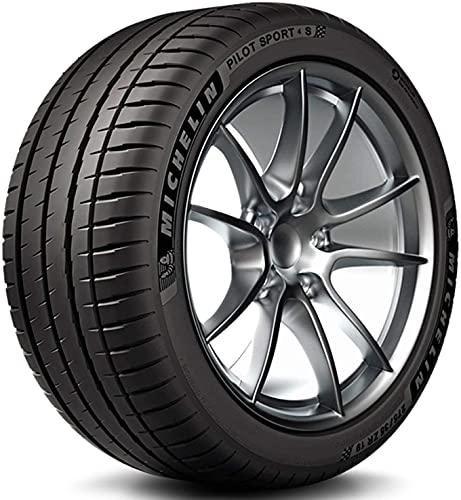
Michelin Pilot Sport 4
Understanding and regularly monitoring your tire pressure isn’t just about extending tire life; it’s a fundamental safety practice that every driver should master. Let’s explore how to ensure your tires are always optimally inflated for the road ahead.
Why Correct Tire Pressure Is Non-Negotiable
The pressure inside your tires plays a critical role in how your vehicle performs. Incorrect tire pressure can lead to a host of problems, impacting everything from your stopping distance to your wallet. The National Highway Traffic Safety Administration (NHTSA) consistently highlights proper tire inflation as a key factor in preventing accidents and improving vehicle safety.
- Safety: Underinflated tires can cause excessive heat buildup, leading to tire failure, blowouts, and loss of vehicle control. Overinflated tires can reduce traction, increase stopping distances, and make your ride harsher.
- Fuel Economy: Underinflated tires increase rolling resistance, forcing your engine to work harder and consume more fuel. The U.S. Department of Energy estimates that for every 1 PSI drop in pressure for all four tires, fuel economy decreases by 0.2%.
- Tire Lifespan: Incorrect pressure causes uneven wear. Underinflation wears out the outer edges of the tread, while overinflation wears out the center. This significantly shortens the life of your tires, costing you money prematurely.
- Handling and Ride Comfort: Proper inflation ensures optimal contact with the road, providing predictable handling and a comfortable ride.
Locating Your Car's Recommended Tire Pressure
Your vehicle’s recommended tire pressure isn’t a universal number; it’s specifically determined by the vehicle manufacturer for optimal performance, safety, and load-carrying capacity. It’s absolutely crucial to use this manufacturer-recommended pressure, not the ‘max PSI’ listed on the tire sidewall.
- Door Jamb Sticker: The most common place to find this information is on a sticker located on the driver’s side door jamb. This sticker, often called the ‘tire placard,’ provides recommended ‘cold’ tire inflation pressures for your front and rear tires, as well as the spare tire (if applicable). It also specifies the original equipment tire size.
- Owner’s Manual: Your vehicle’s owner’s manual will also contain detailed information about recommended tire pressures, often in a dedicated section about tires or maintenance.
- Fuel Filler Door: In some vehicles, particularly European models, the tire pressure information may also be found on the inside of the fuel filler door.
Always refer to these sources and never rely solely on the maximum pressure stamped on the tire’s sidewall. The sidewall number is the maximum pressure the tire can safely hold, not necessarily the recommended pressure for your specific vehicle.
Understanding 'Cold' Tire Pressure
When manufacturers provide a recommended tire pressure, they always refer to ‘cold’ tire pressure. This is a critical distinction for accurate readings.
- What is Cold Tire Pressure? ‘Cold’ means that the tires haven’t been driven for at least three hours, or have been driven for less than a mile at moderate speed. As a tire rolls, friction generates heat, which causes the air inside the tire to expand and the pressure to increase.
- Why Does it Matter? Checking tire pressure when the tires are warm will give you an artificially high reading. If you then ‘correct’ this warm reading down to the recommended cold pressure, you’ll actually be underinflating your tires once they cool down. For the most accurate measurement, always check your tires first thing in the morning before driving or after the car has been stationary for several hours.
How to Accurately Check Your Tire Pressure
Checking your tire pressure is a straightforward process that requires only a reliable tire pressure gauge. There are several types of gauges available, including stick gauges, dial gauges, and digital gauges. Digital gauges often offer the greatest precision and ease of use.
- Gather Your Tools: Ensure you have a good quality tire pressure gauge.
- Locate Valve Stems: Remove the valve stem cap from one of your tires. Keep the cap in a safe place so you don’t lose it.
- Press the Gauge Firmly: Press the end of the tire pressure gauge straight onto the valve stem. You should hear a brief hiss of air as the gauge makes a seal. If you hear a continuous hiss, adjust the gauge until the air stops leaking.
- Read the Pressure: The gauge will display the current PSI (Pounds per Square Inch). Note this reading.
- Compare to Recommended Pressure: Compare the reading to the recommended cold tire pressure found on your door jamb sticker.
- Adjust if Necessary:
- If Pressure is Low: Add air using an air compressor (available at most gas stations or for home use) until it matches the recommended PSI. Recheck the pressure.
- If Pressure is High: Gently press the center pin on the valve stem with the back of your gauge or a small tool to release air in short bursts. Recheck the pressure.
- Replace Valve Cap: Once the pressure is correct, replace the valve stem cap. This helps prevent dirt and moisture from entering the valve stem and causing leaks.
- Repeat for All Tires: Follow these steps for all four road tires and your spare tire (if applicable).
When and How Often to Check Tire Pressure
Regularity is key for tire pressure maintenance. The air inside your tires naturally seeps out over time, and external factors like temperature changes can also affect pressure.
- Monthly Checks: The NHTSA recommends checking your tire pressure at least once a month, including your spare tire. This should be done when tires are cold.
- Before Long Trips: Always check your tire pressure before embarking on a long road trip or when you anticipate carrying a heavy load. Adjusting for load is sometimes specified on the door jamb sticker.
- During Significant Temperature Changes: Air pressure decreases in cold weather and increases in warm weather. For every 10-degree Fahrenheit (approximately 5.5-degree Celsius) change in ambient temperature, tire pressure changes by about 1 PSI. If there’s a significant drop in temperature, your tires will likely need air.
- After Hitting Potholes or Curbs: While less about pressure and more about damage, it’s a good practice to check pressure and visually inspect tires after any significant impact.
The Role of Your Tire Pressure Monitoring System (TPMS)
Since 2007, all new passenger vehicles sold in the U.S. Have been required by the U.S. Department of Transportation (DOT) to include a Tire Pressure Monitoring System (TPMS). This system is designed to alert drivers when one or more tires are significantly underinflated (typically 25% below the manufacturer’s recommended cold inflation pressure).
- What TPMS Does: TPMS uses sensors to monitor tire pressure and illuminate a warning light on your dashboard if a tire’s pressure drops below a safe threshold.
- TPMS Limitations: While a valuable safety feature, TPMS isn’t a substitute for manual, monthly tire pressure checks. It’s designed as a warning system for significant underinflation, not a precision gauge. A TPMS light might not illuminate until your tires are already critically low, and it won’t tell you if your tires are slightly underinflated, which still negatively impacts fuel economy and tire wear. Also, it typically doesn’t warn you about overinflation.
- Action When TPMS Light Appears: If your TPMS light comes on, treat it as a serious warning. Safely pull over, inspect your tires, and check their pressure with a reliable gauge as soon as possible. Then, inflate them to the correct pressure and ensure the light turns off.
Frequently Asked Questions
Can I use the 'max PSI' listed on my tire's sidewall?
No, you should never use the ‘max PSI’ listed on your tire’s sidewall for daily driving. This number represents the maximum pressure the tire can safely hold under specific conditions, not the recommended pressure for your specific vehicle. Always refer to your vehicle’s door jamb sticker or owner’s manual for the manufacturer’s recommended ‘cold’ tire inflation pressure.
What happens if I overinflate my tires?
Overinflating your tires can lead to several negative consequences. It reduces the tire’s contact patch with the road, leading to decreased traction and potentially longer stopping distances. It also results in a harsher ride, makes your tires more susceptible to damage from potholes, and causes uneven wear in the center of the tread, shortening tire life.
What happens if I underinflate my tires?
Underinflating your tires is arguably more dangerous than overinflation. It causes excessive heat buildup, which can lead to tire failure or a blowout. Underinflation also reduces fuel efficiency, causes premature wear on the outer edges of the tire tread, negatively impacts handling and steering response, and can increase your car’s stopping distance.
Do I need to check my spare tire pressure?
Yes, it’s crucial to check your spare tire’s pressure regularly, typically at the same time you check your other four tires (monthly). A flat or underinflated spare tire is useless in an emergency. The recommended pressure for your spare tire may be different from your main tires, so check your door jamb sticker or owner’s manual for specific instructions.
Does temperature affect tire pressure?
Absolutely. Air pressure inside tires changes with ambient temperature. As a general rule, tire pressure will decrease by about 1 PSI for every 10-degree Fahrenheit drop in temperature and increase by 1 PSI for every 10-degree Fahrenheit rise. This is why it’s especially important to check your tire pressure when there are significant seasonal temperature changes, always ensuring you measure ‘cold’ pressure.
The Bottom Line
Maintaining the correct tire pressure is a simple yet vital habit for every car owner. It’s a cornerstone of vehicle safety, directly impacting your car’s handling, braking, and overall stability. Beyond safety, proper inflation significantly contributes to fuel efficiency and extends the life of your tires, saving you money in the long run.
Make it a routine to check your tire pressure monthly, always when the tires are cold, and consult your vehicle’s door jamb sticker for the precise manufacturer recommendations. While your TPMS provides a valuable warning, it’s no substitute for a manual check with a reliable gauge. By consistently adhering to these practices, you’ll ensure a safer, more economical, and more enjoyable driving experience.

