A car battery that dies overnight or loses charge while parked is frustrating and often unexpected. Unlike a dead battery from leaving headlights on, parasitic drain occurs silently when your vehicle is off, pulling power from the battery through various electrical components and systems.
Understanding what causes battery drain when your car is parked helps you identify problems early, prevent breakdowns, and extend battery life. This guide explains the electrical systems and component failures that consume battery power at rest.
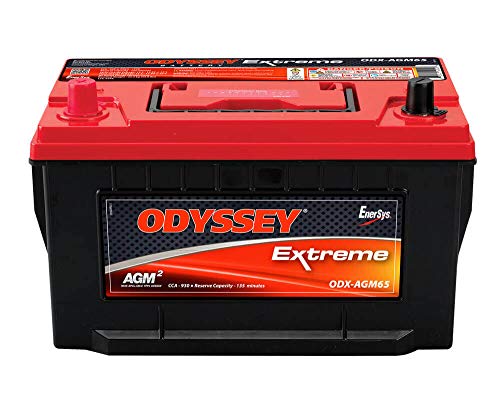
Odyssey 65-PC1750T Automotive and LTV Battery
Understanding Parasitic Draw
Parasitic draw refers to electrical current that flows from the battery when the engine is off. All vehicles have some level of parasitic drain, which is normal and necessary. Modern cars maintain several systems in standby mode: security systems, engine control modules, infotainment systems, and onboard diagnostics. According to the Society of Automotive Engineers (SAE), acceptable parasitic draw ranges from 25 to 50 milliamps (mA) for most vehicles.
Problems arise when parasitic draw exceeds normal levels, typically above 100 mA. This excessive drain can deplete a healthy battery in days or weeks, depending on battery capacity and the severity of the drain.
- Normal parasitic draw: 25-50 mA
- Excessive parasitic draw: 100+ mA
- Battery depletion timeline: Days to weeks depending on capacity
Faulty Alternator and Voltage Regulator Issues
The alternator charges your battery while the engine runs. When the engine is off, a faulty alternator can continue drawing power instead of charging. A malfunctioning voltage regulator, which controls charging output, may fail to cut off current flow to the battery. This creates a continuous drain even when the vehicle is parked.
Voltage regulators are typically integrated into the alternator on modern vehicles. If the alternator diodes fail, they may allow current to flow backward from the battery through the alternator, draining the battery during rest periods. The National Institute for Automotive Service Excellence (ASE) recommends testing the alternator with a multimeter to verify proper charging voltage (13.5 to 14.5 volts) and confirm whether it’s drawing current when the engine is off.
Corroded Battery Terminals and Cable Damage
Corroded battery terminals create resistance in electrical connections, causing the battery to work harder to deliver power and potentially triggering parasitic drain pathways. White, blue, or green crusty deposits on battery terminals indicate corrosion from oxidation or acid leakage. This corrosion increases internal resistance and can cause intermittent electrical faults that keep systems drawing power unexpectedly.
Damaged or frayed battery cables also contribute to drain issues. A compromised cable may allow current to leak to the vehicle frame or engine block, creating an unintended drain path. Inspect both positive and negative battery cables for:
- Visible corrosion or white/blue deposits
- Cracks or splits in cable insulation
- Loose terminal connections
- Signs of heat damage or melting
Regular cleaning of battery terminals with a mixture of baking soda and water, followed by application of dielectric grease, prevents corrosion buildup.
Faulty Door Switches and Interior Lighting
Door switches signal the vehicle when a door is open or closed, controlling interior lights and door lock functions. A stuck or malfunctioning door switch may signal that a door is open even when it’s closed, keeping interior lights active indefinitely. This is among the most common causes of battery drain that car owners can identify and fix themselves.
Test door switches by opening and closing each door while observing interior lights. If lights remain on when all doors are closed, a faulty switch is likely the culprit. Trunk and hood switches can also malfunction similarly. Interior lights, map lights, and courtesy lights draw significant current when illuminated for extended periods. A single interior light left on continuously can drain a battery completely in 24 to 48 hours.
Also, some aftermarket lighting installations or improperly connected interior accessories may bypass the door switch logic, remaining powered whenever the battery has voltage.
Electrical Component and Module Failures
Modern vehicles contain dozens of electronic control modules and components that remain partially powered when the engine is off. These include the engine control module (ECM), transmission control module (TCM), body control module (BCM), and infotainment systems. Failures in these modules or their associated circuits can cause continuous parasitic draw.
Common culprits include:
- Faulty aftermarket alarm or security systems with wiring defects
- Damaged or stuck relays that remain energized
- Malfunctioning power window or seat motors that draw current unexpectedly
- Failing HVAC blend door actuators
- Defective infotainment systems that don’t enter sleep mode properly
- Phone connectivity modules that continuously search for signals
The Society of Automotive Engineers (SAE) J1151 standard defines proper sleep mode behavior for vehicle modules. If modules fail to enter sleep mode after the engine is turned off, they continue drawing power. Diagnosing these failures typically requires a multimeter and professional diagnostic equipment to trace current draw to specific circuits.
Battery Age and Internal Degradation
Even without parasitic drain, an old or degraded battery loses its ability to hold charge. Most car batteries have a lifespan of 3 to 5 years in typical US climates, though this varies based on temperature extremes and driving patterns. The Battery Council International (BCI) notes that hot climates accelerate battery degradation, while cold climates reduce starting power.
As batteries age, internal plates corrode and sulfate (lead sulfate crystals form on plates), reducing capacity. A battery that reads 12.6 volts when fully charged but drops to 11 volts overnight has internal degradation and can’t hold charge effectively. This isn’t parasitic drain but rather the battery’s inability to retain stored energy.
A battery load test, performed by auto parts retailers or service shops, measures whether a battery can maintain voltage under load. Batteries that fail load tests should be replaced, as they can’t reliably start your vehicle or hold charge between drives.
How to Test and Diagnose Battery Drain
Identifying the source of battery drain requires systematic testing with a multimeter and understanding of your vehicle’s electrical system. The process involves measuring parasitic draw and isolating which circuit or component is responsible.
Basic testing steps:
- Verify the battery is fully charged by measuring voltage (should read 12.6 volts or higher with engine off)
- Disconnect the negative battery terminal
- Set a multimeter to DC amps (amperage mode)
- Connect the multimeter between the negative terminal and the negative cable
- Note the baseline current draw (should be 25-50 mA for most vehicles)
- Remove fuses one at a time from the main fuse box, noting which fuse removal reduces current draw significantly
- Once the problematic circuit is identified, test components on that circuit individually
If baseline draw is already above 100 mA, the vehicle has excessive parasitic drain. If removing a specific fuse drops current draw dramatically, that circuit contains the faulty component. Document which fuses control which systems by consulting your vehicle’s owner manual or service manual.
For vehicles with multiple battery or fuse boxes, test each box separately. The National Highway Traffic Safety Administration (NHTSA) recommends consulting factory service manuals for your specific vehicle model, as electrical architecture varies significantly between manufacturers.
Frequently Asked Questions
Is it normal for a car battery to drain while parked?
Yes, all vehicles experience some parasitic draw when parked. Modern cars maintain security systems, engine computers, and other modules in standby mode. Normal parasitic draw ranges from 25 to 50 milliamps according to SAE standards. However, a fully charged battery shouldn’t noticeably lose charge over several days of parking. If your battery dies in less than a week with no accessories running, you likely have excessive parasitic drain requiring diagnosis.
How long does it take for parasitic drain to kill a car battery?
Timeline depends on battery capacity and drain severity. A typical car battery holds 40 to 100 amp-hours of capacity. At normal parasitic draw (50 mA), a battery would take weeks to fully discharge. However, excessive parasitic draw (200+ mA) can fully deplete a battery in 2 to 7 days. A single interior light left on can drain a battery completely in 24 to 48 hours. If your battery dies overnight or within a few days of parking, suspect a major parasitic drain or a faulty component.
Can a bad alternator drain a battery when the car is off?
Yes, a faulty alternator can drain the battery when the engine is off. If the alternator’s internal diodes fail or the voltage regulator malfunctions, the alternator may allow current to flow backward from the battery through the alternator circuit. This creates parasitic drain even when the engine isn’t running. A multimeter test can determine if the alternator is drawing current when the engine is off. If it’s, the alternator requires replacement.
Will disconnecting the negative battery terminal stop parasitic drain?
Disconnecting the negative battery terminal prevents all parasitic drain by breaking the electrical circuit, so the battery can’t lose charge. However, this also erases your vehicle’s memory settings and may require reprogramming of security systems or infotainment features. Disconnecting the battery is a temporary solution useful for testing or if you’re storing a vehicle long-term. For daily-driven vehicles, find and repair the source of excessive drain rather than relying on disconnection.
How do I know if my battery is bad or if I have parasitic drain?
A battery load test reveals whether the battery itself is failing. If a load test shows the battery can’t maintain voltage under load, the battery is degraded and needs replacement, not drain diagnosis. If the battery passes a load test but dies when parked, you have parasitic drain. Also, if the battery drains only when parked for extended periods but holds charge during normal driving, parasitic drain is the likely cause. A multimeter amperage test identifies whether parasitic draw is within normal range (25-50 mA) or excessive (100+ mA).
The Bottom Line
Battery drain when your car is off results from either excessive parasitic draw from faulty electrical components or degradation of the battery itself. Normal parasitic draw of 25 to 50 milliamps is expected in modern vehicles, but draw exceeding 100 milliamps indicates a problem requiring diagnosis and repair.
Common causes include faulty alternators, corroded battery terminals, malfunctioning door switches, failing electrical modules, and aged batteries. Systematic testing with a multimeter and fuse-by-fuse diagnosis isolates the problematic circuit. Addressing the root cause, whether replacing a battery, repairing an alternator, or fixing a door switch, restores reliable battery performance and prevents unexpected breakdowns.
If parasitic drain testing exceeds normal levels, consult a qualified technician or your vehicle’s factory service manual for component-specific testing procedures. Early diagnosis prevents the frustration of a dead battery and extends your vehicle’s electrical system lifespan.