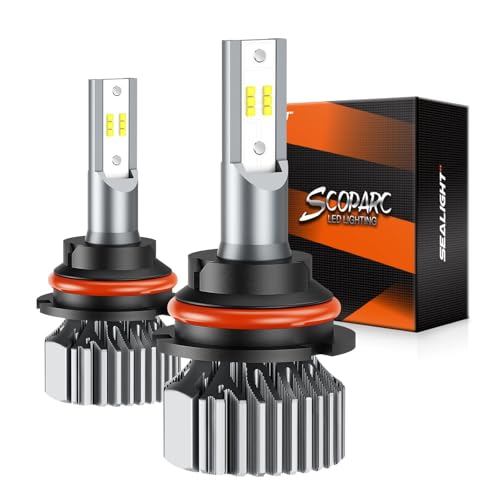
LED headlight flicker is typically caused by voltage fluctuations, incompatible drivers, or loose connections. The most common reason is that LED bulbs require a stable power supply, and many vehicles’ electrical systems or aftermarket components fail to provide that. Here are the specific causes and solutions.
1. Voltage Fluctuations from the Vehicle’s Electrical System
LEDs are sensitive to voltage changes. A weak battery, failing alternator, or aging wiring can cause the voltage to drop below the LED’s operating range (usually 12-14V). This results in flickering, especially when idling or using other electrical components like the AC or stereo. Check your battery voltage with a multimeter; it should read 12.6V when off and 13.5-14.5V when running. If it’s lower, the alternator or battery may need replacement.
2. Incompatible Drivers or Resistors
Many LED headlights require a specific driver or resistor to regulate current. If you installed LED bulbs without a proper driver, or if the driver fails, the LEDs will flicker. This is common in vehicles with CANbus systems that expect a certain load. Adding a load resistor or installing CANbus-compatible LEDs can fix this. However, resistors generate heat and may not be suitable for all headlight housings.
3. Loose Connections or Poor Grounding
A loose wire, corroded connector, or bad ground can interrupt power flow, causing intermittent flicker. Check all connections from the bulb to the harness, and ensure the ground wire is securely attached to bare metal. Using dielectric grease on connectors can prevent corrosion. If the flicker only happens on bumps, the connection is likely loose.
4. PWM (Pulse Width Modulation) from Factory Systems
Some vehicles use PWM to control headlight brightness, especially for daytime running lights (DRLs) or adaptive lighting. LEDs can flicker if the PWM frequency is too low (below 100 Hz). This is more noticeable at lower brightness settings. In such cases, you may need a PWM filter or a different LED bulb designed for PWM systems. However, modifying the vehicle’s electrical system may void warranties.
5. Overheating and Thermal Throttling
LEDs generate heat, and if the heat sink is inadequate or airflow is blocked, the driver may reduce power to protect the LEDs, causing flicker. This often happens after several minutes of use. Ensure the bulb’s heat sink is exposed to airflow and not covered by dust or debris. Some bulbs have built-in thermal protection that triggers at around 80°C (176°F).
Frequently Asked Questions
Can a bad alternator cause LED headlight flicker?
Yes, a failing alternator can produce inconsistent voltage output, leading to flicker. If your headlights dim and brighten with engine RPM, the alternator is likely the culprit. Have it tested at an auto parts store.
Will adding a resistor fix LED flicker?
In many cases, yes, especially if the flicker is due to the vehicle’s CANbus system detecting a lower load. A resistor mimics the load of a halogen bulb, but it gets hot and should be mounted on a metal surface away from plastic components.
Do all LED headlights flicker?
No, quality LEDs with proper drivers and heat management should not flicker. Flicker is usually a sign of incompatibility or installation issues. If you experience flicker, check the factors above or consider a different brand.
The Bottom Line
LED headlight flicker is fixable, but you need to identify the root cause. Start with the simplest checks: battery voltage, connections, and compatibility. If you need a reliable diagnostic tool, consider a good OBD2 scanner to read alternator and battery health. For more headlight advice, explore our headlights category.