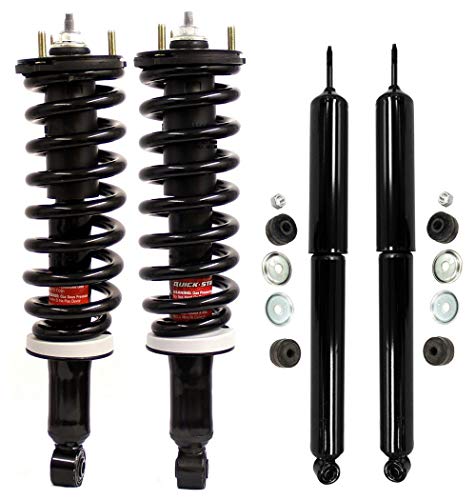
Worn shocks and struts show up as a car that keeps moving when it should have settled: extra bounces after bumps, nose dive under braking, body sway in crosswinds and corners, and a floaty highway ride. The quieter symptoms matter more: cupped, scalloped tire wear, longer stopping distances as tires lose road contact over bumps, and fluid streaks down the shock body. Dampers wear so gradually that owners adapt without noticing, which is why the 50,000-mile inspection recommendation exists.
The Drive-Feel Symptoms
A healthy damper kills each bump’s energy in about one body movement; a worn one lets the car porpoise two or three times. Braking transfers weight forward onto soft front dampers and the nose dives; acceleration squats the rear. Crosswinds and passing trucks push the body around more than they used to, corners feel leanier, and rebound after dips feels like a small launch. Passengers in the back seat, riding over the rear axle, often notice the deterioration before the driver does.
The Physical Evidence
Tires tell on dampers: cupping, a wavy scalloped wear pattern around the tread, forms when a weak damper lets the wheel hop and land repeatedly. Oil wetting the shock body means the seals have failed and the damping fluid is leaving; a light film is monitor-worthy, streaks are terminal. Bushing-worn clunks over speed bumps, a corner that sits low, and rust-caked shafts complete the picture. The classic bounce test, pushing a corner down hard and counting oscillations, still works: more than one and a half rebounds indicts the damper.
Why It’s a Safety Item, Not a Comfort Item
Dampers keep tires pressed to the road. Independent testing has shown worn dampers add meaningful stopping distance on bumpy surfaces because the tire spends part of the stop airborne or lightly loaded, and ABS and stability control calibrations assume functional damping. Emergency lane changes with dead shocks produce the lurching, tail-happy behavior those systems then have to fight. Ride comfort is the symptom you feel; tire contact is the thing you lose.
Frequently Asked Questions
How long do shocks and struts last?
Commonly 50,000 to 100,000 miles depending on roads, loads, and climate. Inspect at 50,000 and each service after; pothole country and towing shorten the range considerably.
Do I have to replace all four at once?
Replace at minimum in axle pairs so left and right damp identically. Doing all four at once makes sense when mileage is similar all around, and mixing one new damper with three dead ones is the only truly wrong answer.
Is there a difference between shocks and struts for this?
Symptoms are the same; the repair differs. A strut is a structural part of the suspension and its replacement usually requires an alignment afterward, which shocks often don’t.
The Bottom Line
Bouncing, diving, swaying, cupped tires, and leaking bodies are dampers resigning in slow motion. Test at 50,000 miles, replace in pairs with an alignment where struts are involved, and treat the job as brake-adjacent safety work rather than a comfort upgrade, because that’s what the stopping distances say it’s.