When shopping for new tires in the United States, you’ll inevitably encounter a series of letters and numbers known as UTQG ratings. Standing for Uniform Tire Quality Grading, this system might seem cryptic at first glance, but it’s a powerful tool for consumers seeking to make informed decisions about their vehicle’s footwear.
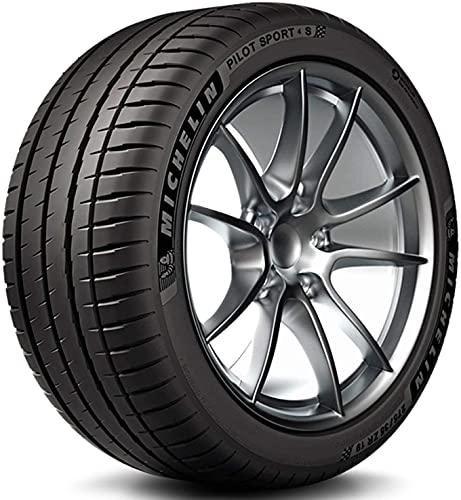
Michelin Pilot Sport 4
Mandated by the National Highway Traffic Safety Administration (NHTSA), an agency within the Department of Transportation (DOT), UTQG provides a standardized way to compare tires based on three key performance characteristics: Treadwear, Traction, and Temperature. This guide will demystify each of these ratings, explain their significance, and equip you with the knowledge to leverage them effectively, ensuring you choose the right tires for your driving needs.
What is UTQG? Understanding the Basics
The Uniform Tire Quality Grading (UTQG) system was established by the U.S. Government to help consumers compare the performance characteristics of passenger car tires. It isn’t a safety standard, nor does it guarantee a tire’s quality; rather, it’s a comparative index designed to provide a uniform basis for evaluating tires across different brands and models.
The system applies to most new passenger car tires sold in the United States, with specific exemptions for certain tire types like winter tires, temporary spare tires, and light truck tires. The NHTSA, under the Department of Transportation, oversees the regulations and testing protocols that underpin the UTQG system, ensuring a degree of standardization in how these ratings are determined and presented to the public.
Decoding the Treadwear Rating
The Treadwear rating is arguably the most frequently discussed and often misunderstood component of the UTQG system. It provides a comparative numerical score that indicates a tire’s expected wear rate when evaluated under controlled conditions. Here’s what you need to know:
- Comparative Index: The Treadwear rating is a relative figure. It compares the wear rate of a tire to that of a control tire, which is assigned a base rating of 100.
- Interpretation: A tire with a Treadwear rating of 400 is theoretically expected to last twice as long as a tire rated 200 under the same controlled test conditions. A higher number generally suggests longer tread life.
- Testing Protocol: Tires are evaluated on a specified government test course in Texas, traveling in platoons under controlled conditions. The wear rate is measured over a set distance.
- Important Caveat: While useful for comparison, the Treadwear rating isn’t a mileage guarantee. Actual tread life is significantly influenced by a multitude of factors, including individual driving habits, vehicle type, tire pressure, rotation frequency, alignment, and road conditions. Therefore, it should be used as a guide for comparison rather than an absolute predictor of longevity.
Understanding the Traction Rating (AA, A, B, C)
The Traction rating measures a tire’s ability to stop on wet pavement under controlled straight-line braking conditions. This rating is crucial for understanding a tire’s grip in one specific, yet vital, scenario.
- Grades: Traction ratings are graded from highest to lowest as AA, A, B, and C.
- Testing: Tires are evaluated on both wet asphalt and wet concrete surfaces. The test measures the tire’s ability to stop a vehicle traveling in a straight line, without locking up the wheels, under specific conditions.
- What it Measures: As defined by the NHTSA, this rating specifically indicates a tire’s wet straight-line braking performance.
- Key Limitation: It’s vital to understand what the Traction rating doesn’t measure. It doesn’t provide any information about a tire’s cornering ability on wet surfaces, its resistance to hydroplaning (skidding on water), or its braking performance on dry roads. For these reasons, a high Traction rating alone doesn’t equate to overall superior wet weather performance, but it’s a strong indicator of straight-line wet stopping power.
Explaining the Temperature Rating (A, B, C)
The Temperature rating assesses a tire’s resistance to heat generation and its ability to dissipate heat. Excessive heat can lead to tire degradation, reduced performance, and even failure, making this rating an important indicator of a tire’s structural integrity under thermal stress.
- Grades: Temperature ratings are graded from highest to lowest as A, B, and C.
- Testing: This rating is determined by testing a tire under controlled laboratory conditions on a specified test wheel. The tire is run at increasing speeds and loads to simulate sustained driving conditions.
- Significance: A tire with an ‘A’ rating is designed to dissipate heat more effectively and withstand higher temperatures than a tire with a ‘B’ or ‘C’ rating. This is particularly relevant for sustained high-speed driving or when carrying heavy loads, where tires naturally generate more heat.
- Important Note: This rating relates to the tire’s ability to withstand and dissipate heat, not its performance in cold weather or its ability to operate in low temperatures. It’s about the tire’s structural integrity under thermal stress.
Important Limitations and Common Misconceptions
While UTQG ratings are a valuable resource, it’s crucial to understand their limitations to avoid misconceptions:
- Not a Safety Rating: UTQG ratings are performance indicators for comparison, not a direct measure of a tire’s overall safety or quality. All tires sold in the US must meet minimum safety standards set by the DOT.
- Treadwear Variability: Treadwear ratings are self-certified by tire manufacturers, meaning direct comparisons between different brands can sometimes be less precise than comparisons within the same brand or product line. The test conditions are standardized, but manufacturers have some leeway in how they conduct and report results.
- Traction’s Narrow Focus: As mentioned, the Traction rating is strictly for straight-line wet braking. It doesn’t tell you how a tire performs in wet corners, its resistance to hydroplaning, or its dry braking capabilities.
- Temperature is Lab-Based: The Temperature rating is derived from laboratory tests, which may not perfectly replicate all real-world driving scenarios, especially extreme conditions.
- Exemptions: UTQG ratings don’t apply to all tires. Exemptions include winter/snow tires, temporary spare tires, light truck (LT) tires, and deep-tread commercial tires.
How to Effectively Use UTQG Ratings When Buying Tires
Understanding UTQG ratings empowers you to make more informed tire choices. Here’s how to integrate them into your tire shopping process:
- As a Comparative Tool: Use UTQG ratings primarily to compare similar tires from different manufacturers or different models within the same brand. They offer a common language for performance.
- Consider Your Driving Habits: If you prioritize longevity for daily commuting, a higher Treadwear rating might be appealing. If you frequently drive in rainy conditions, a strong Traction (AA or A) rating is a good baseline for wet stopping performance. For sustained highway speeds or heavy loads, a higher Temperature rating (A) provides an extra layer of confidence.
- Balance Performance Needs: Remember that tire performance often involves trade-offs. Tires with extremely high Treadwear ratings might sometimes offer less grip or a firmer ride than performance-oriented tires with lower Treadwear numbers.
- Combine with Other Research: Don’t rely solely on UTQG. Complement this information with professional tire reviews, consumer feedback, and expert recommendations from reputable sources like MustCarBeast. Consider the tire’s type (e.g., all-season, touring, performance) and its specific features.
- Consult a Professional: When in doubt, speak with a knowledgeable tire professional. They can help you interpret the ratings in the context of your specific vehicle, local climate, and driving requirements.
Frequently Asked Questions
Are UTQG ratings legally required for all tires sold in the US?
No, while mandated by the NHTSA for most passenger car tires, certain categories are exempt. These typically include winter/snow tires, temporary spare tires, light truck (LT) tires, and deep-tread commercial tires.
Does a higher Treadwear rating guarantee more mileage from my tires?
No, the Treadwear rating is a comparative index under specific test conditions, not a mileage warranty or guarantee. Actual tire life depends heavily on individual driving habits, vehicle maintenance, road conditions, and climate, which can vary significantly from the controlled test environment.
Can I directly compare the Treadwear ratings between different tire manufacturers?
While the system aims for standardization, Treadwear ratings are self-certified by manufacturers. Direct comparisons between different brands can be less reliable than comparing tires within the same brand or within very similar product categories. It’s best used as a general guide.
What aspects of tire performance do UTQG ratings *not* cover?
UTQG ratings don’t cover aspects like dry braking performance, cornering ability, resistance to hydroplaning (beyond straight-line wet braking), fuel efficiency, noise levels, ride comfort, or performance in snow and ice conditions.
Where can I find the UTQG ratings for a specific tire?
UTQG ratings are typically molded into the tire’s sidewall, usually near the bead. They’re also listed on the tire’s label, on the manufacturer’s official website, and on reputable tire retailer websites and product pages.
The Bottom Line
The UTQG system provides a valuable, government-mandated framework for comparing key aspects of tire performance. By understanding what Treadwear, Traction, and Temperature ratings mean – and, crucially, what their limitations are – you can approach tire shopping with greater confidence. Use these ratings as a powerful comparative tool, but always combine them with other research and consider your specific driving needs to ensure you select the best tires for your vehicle and your safety.


