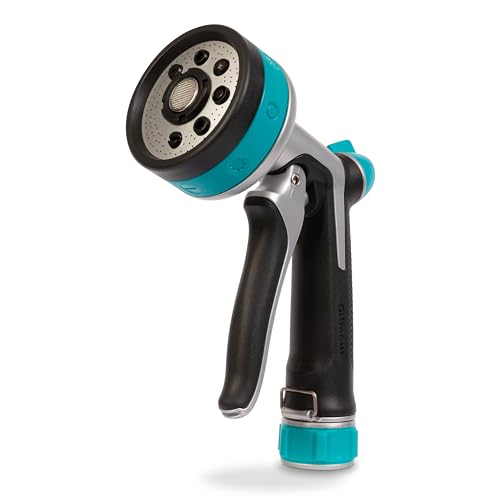
Reaching for the garden hose is the classic way to rinse a dirty car, but more drivers are switching to a pressure washer for a faster, deeper clean. The two tools move water in very different ways, and that difference changes how quickly you finish, how much grime you lift, and how kind the wash is to your paint. If you want a quick recommendation up front, our guide to the best pressure washers for cars rounds up models with safe pressure settings made for vehicles. In this comparison we break down where each option shines and which one belongs in your driveway.
The key difference
The core difference comes down to pressure and flow. A garden hose pushes a steady, low pressure stream of water that relies mostly on volume to rinse dirt away. Typical home water pressure sits somewhere in the low double digits of PSI at the nozzle, which is gentle but slow at shifting baked on road film, bug splatter, and brake dust.
A pressure washer takes that same water supply and uses a pump to multiply the force many times over, then sends it through a narrow nozzle. The result is a concentrated jet that strips grime quickly and uses far less water to do it. That extra power is the selling point, but it’s also the reason a pressure washer needs to be used with care on a soft, painted surface. Understanding this trade off between gentle volume and concentrated force is the foundation for choosing the right tool.
Pressure washer pros and cons for car washing
The biggest advantage of a pressure washer is speed and cleaning power. It blasts away mud, salt, and dried dirt that a hose would only soften, which means less scrubbing by hand and fewer passes with your mitt. Most car friendly units also use noticeably less water than a running hose because the high pressure does the work instead of sheer volume. Pair one with a foam cannon and you get a thick layer of clinging suds that loosens grime before you ever touch the panel. If you want to add that step, see our picks for the best foam cannons.
The downsides are real and worth respecting. Too much pressure, or holding the nozzle too close, can chip paint, lift loose clear coat, force water past door and window seals, and damage trim or badges. A pressure washer also costs more than a hose, needs a power source, and takes a moment to set up and store. Used sensibly with the right nozzle and distance, though, the cons are easy to avoid and the cleaning payoff is large.
Garden hose pros and cons
A garden hose wins on simplicity and gentleness. Almost every home already has one, there’s nothing to plug in, and the low pressure stream is very unlikely to harm paint, seals, or trim. For a lightly dusty car or a quick mid week rinse, a hose with a simple spray nozzle gets the job done with zero fuss and very little risk.
Where the hose falls short is on stubborn dirt and efficiency. Caked mud, road salt, and dried bug residue often need real scrubbing because the water alone can’t lift them, which raises the chance of dragging grit across the paint and leaving fine scratches. A continuously running hose also tends to waste more water over a full wash than a pressure washer doing the same job. It’s the safe, low effort choice, but it asks more of your hands and your time on a heavily soiled vehicle.
Which is safer for your paint
On paper the garden hose is the safer tool because its low pressure simply can’t generate enough force to chip paint or peel clear coat, no matter how you point it. For owners who are nervous about damage, or who are washing a car with thin or aging paint, the hose offers genuine confidence. The real risk with a hose is indirect, you have to scrub harder, and scrubbing a poorly rinsed panel grinds grit into the surface and creates swirl marks.
A pressure washer is perfectly paint safe when used correctly, and in some ways safer for your finish overall. Because it removes most of the loose dirt before you touch the car, there’s far less abrasive grit left to scratch the paint during contact washing. The key is discipline, keep the nozzle a foot or more from the surface, use a wider fan tip rather than a pinpoint jet, and never aim directly at edges, seals, or peeling areas. Treated this way, a pressure washer protects your paint more than it threatens it.
How to wash safely either way
Whichever tool you choose, the safe washing routine is similar. Start by rinsing the whole car top to bottom to flush off loose dirt before any contact. Then apply soap, ideally as foam, and give it a minute to break down grime. Wash with a clean mitt using straight lines rather than circles, and rinse your mitt often in a separate bucket so you aren’t rubbing dirt back onto the paint. Finish with a full rinse and dry with a soft microfiber towel to avoid water spots.
If you’re using a pressure washer, add a few guardrails. Pick a wide fan or low pressure nozzle for vehicles, keep a safe distance from the panel, and ease off near trim, glass seals, badges, and any chipped spots. With a garden hose, focus on a thorough pre rinse and plenty of soap so dirt lifts with as little scrubbing as possible. Both methods reward patience, the two bucket habit, and good drying far more than they reward raw power.
Frequently Asked Questions
Will a pressure washer damage my car's paint?
Not if you use it correctly. Damage happens when the nozzle is too close, the jet is too narrow, or you aim straight at edges and seals. Keep the tip a foot or more away, use a wide fan or vehicle specific nozzle, and your paint stays safe.
Does a pressure washer use more water than a garden hose?
Usually less. A pressure washer cleans with concentrated force rather than sheer volume, so it lifts dirt faster and you spend less time with water running. A continuously running garden hose often uses more water over a full wash.
Can I wash my car with just a garden hose?
Yes. A garden hose with soap, a wash mitt, and a thorough rinse works fine, especially for lightly dirty cars. It just takes more scrubbing on heavy grime, so a careful two bucket method matters to avoid scratching the paint.
The Bottom Line
Both tools can give you a clean car, so the right pick depends on how dirty your vehicle gets and how much speed you want. A garden hose is the simple, gentle, low cost option that’s hard to misuse, while a pressure washer cleans faster, saves water, and actually reduces scratching by clearing grit before contact, as long as you respect the distance and nozzle rules. For most drivers who wash regularly, a car friendly pressure washer paired with a foam step is the upgrade worth making. When you’re ready to choose one, start with our guide to the best pressure washers for cars and wash with confidence.
Related Guides
- 7 Best Portable Car Vacuums (Researched and Compared)
- 7 Best Car Handheld Vacuum Cleaners (Researched and Compared)
- 7 Best Vacuum Gauges for Car (Researched and Compared)
- 7 Best Water Pumps for Car Detailing (Researched and Compared)
- 7 Best Tools for Car Wash (Researched and Compared)
- 7 Best Automotive Window Cleaners (Researched and Compared)


