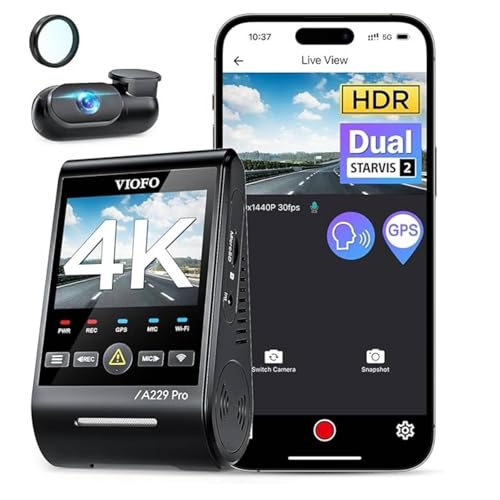
Yes, a dash cam is generally worth the extra cost, but only if you understand the legal landscape and your specific needs. Dash cams are legal in most US states, but restrictions on placement and recording vary, and the upfront cost can range from $50 to over $400. Before you buy, consider how much you value potential insurance savings, accident evidence, and peace of mind.
Dash Cam Legality by State: What You Need to Know
Dash cam legality is not uniform across the US. In all 50 states, it is legal to record video in public spaces, but audio recording is subject to wiretapping laws. 38 states are “one-party consent” states, meaning you can record audio if you are part of the conversation. 12 states (including California, Florida, Illinois, and Michigan) are “all-party consent” states, requiring consent from everyone being recorded. Violating these laws can lead to fines or even criminal charges. Additionally, 10 states restrict windshield mounting to a 5-inch square in the lower corner (e.g., California, Minnesota). Check your state’s laws before installing.
The Real Cost: Upfront vs. Long-Term Value
A basic dash cam costs $50-$100, while a high-end 4K model with parking mode and cloud features can run $200-$400. Installation adds $50-$150 if hardwired. The long-term value comes from insurance discounts (some companies offer 5-10% off with a dash cam), potential reduction in fraudulent claims, and lower premiums after an accident. In a 2023 survey, 40% of drivers with dash cams reported saving an average of $150 on insurance. However, these savings are not guaranteed, and discounts vary by provider.
Legal Risks: Privacy and Evidence Admissibility
Dash cam footage is generally admissible in court, but it can also be used against you. If you violate privacy laws (e.g., recording audio without consent), the footage may be excluded or lead to penalties. In all-party consent states, consider disabling audio recording. Also, dash cams that record continuously in parking lots may capture conversations in other cars, raising privacy concerns. To minimize risk, use a dash cam with a visible recording indicator and avoid pointing it at private property like neighbors’ homes.
Is the Investment Worth It? A Honest Breakdown
For most drivers, a dash cam is worth the cost if you drive frequently, park on the street, or have a high deductible. The peace of mind from having evidence in an accident can save thousands in legal fees. However, if you rarely drive, park in a garage, and have low insurance rates, the extra cost may not be justified. Consider a mid-range model ($100-$150) with GPS and parking mode for the best balance of features and value. For more recommendations, check out our list of best dash cams.
Frequently Asked Questions
Can I get a ticket for having a dash cam?
Generally no, but some states restrict windshield mounting. For example, California only allows dash cams in a 5-inch square in the lower corner of the windshield. If your dash cam obstructs your view, you could be cited for a moving violation.
Will my insurance go up if I have a dash cam?
No, having a dash cam does not raise your rates. In fact, some insurers offer discounts for using a dash cam, typically 5-10%. However, your rates may increase if the footage shows you were at fault in an accident.
Do I need to tell passengers I have a dash cam?
In one-party consent states, no, but in all-party consent states, yes. Even in one-party states, it’s courteous to inform passengers. Some states also require visible signage if recording audio in a vehicle used for business.
The Bottom Line
A dash cam is worth the extra cost for most drivers, but only if you choose the right model and comply with local laws. The potential savings from insurance discounts and accident evidence often outweigh the upfront expense. Just be aware of audio recording laws and windshield placement restrictions in your state. For a reliable option, consider a model from our recommended list.