Your vehicle’s tires are its only point of contact with the road, making them critical components for safety, handling, and braking performance. Worn-out tires can significantly compromise your ability to control your car, especially in adverse weather conditions, increasing the risk of accidents.
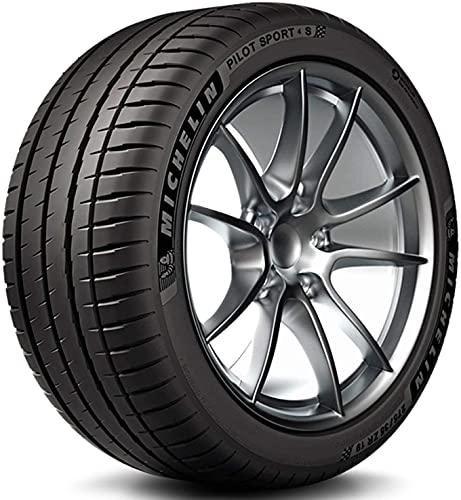
Michelin Pilot Sport 4
Regularly inspecting your tires for signs of wear is a simple yet vital maintenance task that every vehicle owner should perform. This in-depth guide from MustCarBeast will walk you through the key indicators of tire wear, helping you determine when it’s time for a replacement to ensure your safety and maintain optimal vehicle performance.
Understanding Tire Tread Depth and Why It Matters
The tread on your tires is designed to provide traction, grip the road, and channel water away from the tire’s contact patch, preventing hydroplaning. As tires wear, their tread depth decreases, reducing their effectiveness, particularly on wet or slippery surfaces. The deeper the tread, the better the tire can perform its intended functions.
In the United States, the generally accepted legal minimum tread depth is 2/32 of an inch. The National Highway Traffic Safety Administration (NHTSA) and most state motor vehicle departments emphasize that tires below this threshold are unsafe and should be replaced immediately.
The Classic Penny Test: A Basic Tread Depth Check
The penny test is a quick and easy way to get a general idea of your tire’s tread depth. While it’s a basic check, it helps identify if your tires are at or near the legal minimum.
- **How to Perform the Penny Test:** Take a U.S. Penny and insert it into a tire tread groove with Abraham Lincoln’s head upside down and facing you.
- **Interpreting the Results:** If you can see the top of Lincoln’s head, your tread depth is likely less than 2/32 of an inch, meaning your tires are worn and should be replaced. If Lincoln’s head is partially or completely covered, your tread depth is generally above the minimum, though further inspection is still recommended.
Remember, the penny test provides a minimum benchmark. For optimal safety and performance, especially in wet conditions, many experts recommend replacing tires before they reach the 4/32 inch mark.
Locating and Interpreting Tread Wear Indicators (TWIs)
Modern tires come equipped with built-in tread wear indicators (TWIs), which are small, raised bars molded into the main grooves of the tire tread. These indicators are strategically placed around the tire’s circumference.
- **How to Find TWIs:** Look into the main tread grooves. You’ll see small, raised rubber bars running perpendicular to the direction of the groove.
- **What They Mean:** When the tread surface wears down to be flush with these indicator bars, it signifies that your tire has reached the critical 2/32 of an inch tread depth. At this point, the tire is considered legally worn out and should be replaced without delay. TWIs offer a more precise visual cue than the penny test alone.
Spotting Irregular Wear Patterns
Beyond uniform wear across the tire, specific patterns of uneven wear can indicate underlying mechanical issues with your vehicle. Identifying these patterns early can prevent further damage to your tires and other vehicle components.
- **Center Wear:** When the center of the tread wears faster than the shoulders, it’s often a sign of overinflation. Too much air pressure causes the center of the tire to bulge slightly, carrying most of the vehicle’s weight.
- **Shoulder Wear:** If the outer edges (shoulders) of the tread wear faster than the center, it typically indicates underinflation. Low air pressure causes the tire to sag, putting more pressure on the shoulders. Aggressive cornering can also contribute to this.
- **Cupping or Scalloping:** This appears as alternating high and low spots around the tire’s circumference, resembling scoops or cups. Cupping often points to worn-out suspension components (like shocks or struts), unbalanced tires, or bent wheels.
- **Feathering:** This pattern occurs when one side of each tread block is rounded or worn smooth, while the other side is sharp. Feathering is a strong indicator of alignment issues, where the tires are scrubbing against the road surface instead of rolling smoothly.
Any of these irregular wear patterns suggest that a professional inspection is needed to diagnose and correct the root cause, in addition to replacing the worn tires.
Inspecting for Sidewall Damage and Cracks
The sidewall of a tire is just as important as the tread. Damage to the sidewall can compromise the tire’s structural integrity and lead to sudden failure. Always check the entire sidewall for:
- **Cracks (Dry Rot):** Small cracks or crazing in the sidewall indicate that the rubber is drying out and losing its elasticity, a condition often referred to as ‘dry rot.’ This is common in older tires or those exposed to harsh elements. Severe cracking means the tire’s structure is weakened.
- **Bulges or Blisters:** Any outward bulge or blister on the sidewall is a critical warning sign. It indicates that the internal structure of the tire (the plies) has been damaged, allowing air pressure to push the rubber outwards. A bulge means the tire is on the verge of catastrophic failure and must be replaced immediately.
- **Cuts or Punctures:** Deep cuts, gouges, or punctures in the sidewall are typically not repairable and necessitate tire replacement. The sidewall isn’t designed to withstand repairs like the tread area.
Sidewall damage is a serious safety concern and should never be ignored. If you spot any of these issues, have your tires professionally inspected.
The Hidden Danger: Tire Age
Even if your tires have plenty of tread depth and no visible damage, their age can still make them unsafe. Rubber compounds degrade over time due to exposure to oxygen, UV light, and heat, losing their flexibility and grip. This process, known as ‘ozone cracking’ or ‘dry rot,’ can occur regardless of how many miles the tire has been driven.
Most tire manufacturers and safety organizations, including the NHTSA, recommend replacing tires that are 6 to 10 years old, regardless of their visual condition or remaining tread. To check your tire’s age, locate the DOT (Department of Transportation) code on the sidewall. The last four digits represent the week and year the tire was manufactured (e.g., ‘1522’ means the 15th week of 2022).
Frequently Asked Questions
What is the legal minimum tread depth in the US?
Most states in the U.S. Follow the 2/32 of an inch minimum tread depth recommendation set by the National Highway Traffic Safety Administration (NHTSA). Once your tires reach this depth, they’re considered legally worn out and should be replaced for safety.
How often should I check my tire tread?
It’s recommended to check your tire tread depth monthly, along with your tire pressure. Consistent, regular checks allow you to monitor wear patterns and catch potential issues before they become critical safety hazards.
Can I replace just one worn tire?
Generally, it’s best to replace tires in pairs on the same axle to maintain balanced handling and braking performance. For all-wheel-drive (AWD) vehicles, many manufacturers recommend replacing all four tires simultaneously to prevent stress on the drivetrain. Always consult your vehicle’s owner’s manual for specific recommendations.
What causes uneven tire wear?
Uneven tire wear is typically caused by a variety of issues including improper tire inflation (over or underinflation), misaligned wheels, worn suspension components (like shocks or ball joints), or unbalanced tires. Addressing the root cause is crucial to prevent premature wear on new tires.
Are old tires dangerous even if they look good?
Yes, absolutely. Over time, the rubber compounds in tires degrade and harden, losing their elasticity and grip, even if the tread appears to be in good condition. This process, known as dry rot, can lead to reduced performance and an increased risk of sudden tire failure. Most manufacturers and safety experts recommend replacing tires that are 6 to 10 years old, regardless of visible wear or mileage.
The Bottom Line
Regularly inspecting your tires for signs of wear is a fundamental aspect of vehicle maintenance and a critical safety practice. By understanding how to perform basic checks like the penny test, recognizing tread wear indicators, identifying irregular wear patterns, and being aware of tire age and sidewall damage, you can make informed decisions about when to replace your tires. Never compromise on tire safety; when in doubt, consult a qualified automotive technician for a professional inspection and advice.