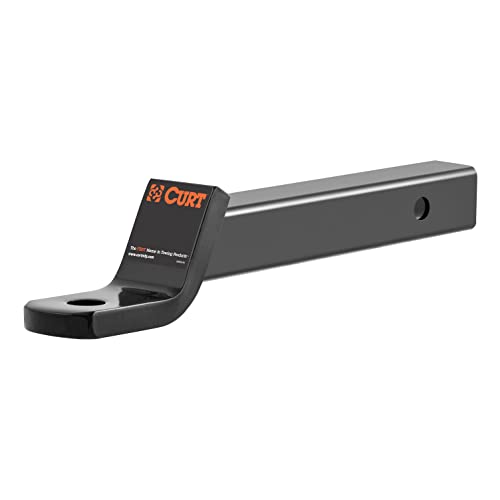
To set up a weight distribution hitch correctly, you must first measure the tongue weight and adjust the spring bars to transfer load from the rear axle to the front axle and trailer axles. This process involves precise measurements and adjustments to ensure safe handling and prevent sway.
Step 1: Measure and Prepare Your Vehicle and Trailer
Start by parking your vehicle and trailer on level ground, disconnected. Measure the height of the rear wheel well from the ground to the fender edge. Then, measure the front wheel well height. Record these as baseline measurements. Next, connect the trailer to the hitch without engaging the weight distribution bars. Measure the rear and front wheel well heights again. The rear should drop, and the front may rise slightly. This gives you the unloaded sag.
Step 2: Set the Hitch Head Height
With the trailer connected and weight distribution bars not engaged, adjust the hitch head height so that the trailer is level. Most hitches have an adjustable shank. Raise or lower the ball mount until the trailer sits level side to side. Use a bubble level on the trailer tongue or frame. This ensures proper weight transfer later.
Step 3: Adjust Spring Bar Tension
Engage the spring bars by raising the trailer tongue with the jack, then attaching the bars to the L-brackets on the trailer frame. Lower the jack so the bars take load. Measure the front wheel well height again. The goal is to return the front height to within 1/2 inch of the original unloaded measurement. If the front is too low, increase spring bar tension by tilting the hitch head. If too high, decrease tension. Repeat until the front height is restored.
Step 4: Check and Fine-Tune
After setting tension, drive the rig slowly in a safe area and check for sway. If the trailer sways, increase spring bar tension slightly. Also verify that the trailer remains level. Re-measure all wheel wells after a short drive, as settling can occur. Many hitches require 3-5 links of chain showing on the spring bar brackets for proper tension. Consult your hitch manual for specific chain link counts.
Frequently Asked Questions
What is the correct amount of weight distribution?
The correct amount restores the front axle to its original height within 1/2 inch. Over-distribution can cause poor steering and under-distribution leads to sway. Use a tongue weight scale to confirm tongue weight is 10-15% of trailer weight.
Can I set up a weight distribution hitch without a torque wrench?
Yes, but it is not recommended. Bolts must be torqued to spec (often 150-200 ft-lbs) to prevent failure. A torque wrench ensures safety. If unavailable, tighten bolts as tight as possible with a breaker bar and check often.
How often should I check the hitch setup?
Check the setup every time you tow, especially after the first 50 miles. Bolts can loosen, and spring bars may settle. Re-measure wheel well heights and inspect all components for wear.
The Bottom Line
Setting up a weight distribution hitch correctly requires careful measurement and adjustment, but it dramatically improves towing safety. Always follow the manufacturer’s instructions and use a towing guide for your specific setup. For more tools and accessories, check out our best OBD2 scanners to monitor your vehicle’s health while towing.