Your tires are the unsung heroes of your vehicle, providing the critical connection between your car and the road. Yet, for many drivers, the cryptic codes and numbers etched into the tire’s sidewall remain a mystery. Understanding these markings isn’t just for mechanics; it’s essential for every car owner to ensure safety, optimize performance, and make informed decisions about tire maintenance and replacement.
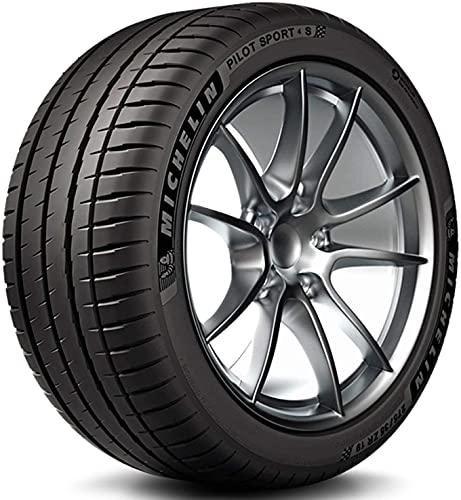
Michelin Pilot Sport 4
This guide will demystify the tire sidewall, breaking down each element into clear, actionable information. From tire size and type to crucial safety ratings and manufacturing dates, you’ll learn how to interpret these vital indicators. Knowing how to read your tire’s sidewall empowers you to choose the right tires, maintain proper inflation, and recognize when it’s time for replacement, ultimately contributing to a safer and more efficient driving experience.
Decoding the Tire Size Designation: The P-Metric System
The most prominent set of characters on your tire’s sidewall typically represents its size, following the P-Metric system common in the United States. Let’s break down a common example, such as P215/65R15 95H:
- P (Tire Type): This initial letter indicates the tire’s intended use. ‘P’ stands for Passenger car. Other common designations include ‘LT’ for Light Truck, ‘T’ for Temporary (spare tires), and ‘ST’ for Special Trailer. If there’s no letter, it’s typically a Euro-metric size, which is functionally similar to P-metric but often has different load capacities.
- 215 (Section Width): This three-digit number represents the tire’s width in millimeters, measured from sidewall to sidewall. In our example, 215mm.
- 65 (Aspect Ratio): This two-digit number is the aspect ratio, indicating the height of the tire’s sidewall as a percentage of its section width. So, 65 means the sidewall height is 65% of the 215mm width. A lower aspect ratio means a shorter sidewall, often found on performance tires.
- R (Construction Type): This letter denotes the tire’s internal construction. ‘R’ stands for Radial, meaning the plies (layers of cord fabric) run radially across the tire from bead to bead. Radial tires are the most common type today. Other, less common types include ‘D’ for Diagonal (Bias Ply) or ‘B’ for Bias Belted.
- 15 (Rim Diameter): This number indicates the diameter of the wheel (rim) that the tire is designed to fit, measured in inches. In our example, the tire fits a 15-inch rim.
Understanding Load Index and Speed Rating
Immediately following the size designation, you’ll find a two or three-digit number and a letter. These are crucial safety indicators:
- 95 (Load Index): This number is the tire’s load index, which corresponds to the maximum weight capacity a single tire can support when properly inflated. This isn’t the actual weight in pounds or kilograms, but rather a code that correlates to a specific load capacity on a standardized chart. For instance, a load index of 95 corresponds to a maximum load of 1,521 pounds per tire. It’s critical that replacement tires have a load index equal to or greater than the vehicle’s original equipment tires, as specified by the vehicle manufacturer.
- H (Speed Rating): The letter after the load index is the speed rating, indicating the maximum speed at which the tire can safely carry a load corresponding to its load index. Like the load index, this is a code that corresponds to a specific speed on a standardized chart. An ‘H’ rating, for example, means the tire is rated for a maximum speed of 130 mph (210 km/h). Other common ratings include ‘S’ (112 mph), ‘T’ (118 mph), ‘V’ (149 mph), and ‘Z’, ‘W’, ‘Y’ for higher performance vehicles. Exceeding a tire’s speed rating is extremely dangerous and can lead to tire failure.
Interpreting UTQG (Uniform Tire Quality Grading) Ratings
The Uniform Tire Quality Grading (UTQG) system, developed by the National Highway Traffic Safety Administration (NHTSA) under the U.S. Department of Transportation (DOT), provides consumers with comparative information on three key aspects of passenger car tires: treadwear, traction, and temperature resistance. Note that UTQG ratings are for comparison only within a manufacturer’s product line and don’t directly translate across different brands.
- Treadwear: This rating is a comparative number assigned by the tire manufacturer based on government-specified test conditions. A tire with a treadwear rating of 400 would theoretically last twice as long as a tire with a 200 rating under the same conditions. Higher numbers indicate longer expected tread life.
- Traction: Graded from AA, A, B, to C (AA being the best), this rating measures a tire’s ability to stop on wet pavement under controlled conditions. It doesn’t indicate cornering ability or dry braking performance. A higher traction grade means better stopping performance on wet surfaces.
- Temperature: Graded from A, B, to C (A being the best), this rating indicates a tire’s resistance to heat generation and its ability to dissipate heat. High temperatures can lead to tire degradation and failure. An ‘A’ rating signifies the greatest resistance to heat buildup.
Decoding the DOT Manufacturing Information and Date Code
Every tire sold in the United States must carry a Department of Transportation (DOT) compliance code, ensuring it meets federal safety standards. This code contains vital manufacturing information, including the tire’s age, which is crucial for safety.
- DOT Mark: The letters ‘DOT’ signify that the tire complies with all U.S. Department of Transportation safety standards.
- Plant Code and Size Code: Following ‘DOT’, there will be a series of letters and numbers. The first two characters identify the manufacturing plant, while the next two are the tire size code. The remaining characters are manufacturer-specific codes used for branding and other marketing purposes.
- Date Code (WWYY): This is arguably a very critical pieces of information. It’s typically the last four digits of the DOT code. The first two digits (WW) represent the week of the year (01-52) when the tire was manufactured, and the last two digits (YY) represent the year. For example, ‘3522’ would mean the tire was manufactured in the 35th week of 2022. Prior to 2000, date codes were three digits (e.g., ‘159’ for the 15th week of 1999), often with a triangle to indicate the 1990s. The age of a tire is a significant factor in its safety and performance, regardless of tread depth. NHTSA and tire manufacturers generally recommend replacing tires after 6 to 10 years from their manufacture date, as rubber degrades over time.
Maximum Inflation Pressure and Other Important Markings
Beyond the primary codes, a tire sidewall contains several other markings that provide essential information for proper tire care and safety:
- MAX. PRESS. (Maximum Inflation Pressure): This indicates the maximum cold inflation pressure that the tire can withstand, not the recommended operating pressure for your vehicle. The recommended tire pressure for your vehicle is found on a placard usually located on the driver’s side door jamb, in the glove compartment, or in your vehicle’s owner’s manual. Always inflate your tires to the vehicle manufacturer’s recommended pressure, not the maximum pressure listed on the tire sidewall.
- MAX. LOAD. (Maximum Load): This specifies the maximum weight, in pounds (lbs) and kilograms (kg), that the tire can carry when inflated to its maximum pressure. This value corresponds to the load index number discussed earlier.
- M+S (Mud and Snow) or 3PMSF (Three-Peak Mountain Snowflake): The ‘M+S’ symbol indicates that the tire meets specific industry standards for mud and snow traction. A more severe winter rating is indicated by the ‘Three-Peak Mountain Snowflake’ (3PMSF) symbol, signifying that the tire meets specific performance criteria for use in severe snow conditions.
- TUBELESS / TUBE TYPE: Most modern tires are ‘TUBELESS’, designed to hold air without an inner tube. ‘TUBE TYPE’ tires, less common for passenger vehicles, require an inner tube.
- REINFORCED / XL (Extra Load): These markings indicate that the tire has a higher load capacity than a standard tire of the same size.
Maintaining Tire Safety and Longevity
Reading your tire’s sidewall is the first step; maintaining your tires properly is the next. Regular inspection and adherence to manufacturer guidelines are paramount for safety and extending tire life. The U.S. Department of Transportation (DOT) and the Tire Industry Association (TIA) emphasize critical practices:
- Regular Pressure Checks: Check tire pressure monthly using a reliable gauge, always when tires are cold. Proper inflation improves fuel economy, handling, and extends tire life.
- Tire Rotation: Follow your vehicle manufacturer’s recommendations for tire rotation schedules, typically every 5,000 to 7,500 miles. This promotes even wear across all tires.
- Tread Depth: Regularly check tread depth using a tire tread depth gauge or the ‘penny test’. Most states consider 2/32 of an inch as the legal minimum tread depth. Worn tires significantly reduce traction and increase stopping distances.
- Visual Inspection: Look for signs of damage, such as cuts, bulges, cracks, or punctures. Any significant damage warrants immediate professional inspection.
- Tire Age: As noted by NHTSA, even if a tire has sufficient tread, its internal components degrade over time. Most tire manufacturers and automotive experts recommend replacing tires that are 6 to 10 years old from their manufacturing date, regardless of apparent wear.
Frequently Asked Questions
What does the 'P' in P215/65R15 mean?
The ‘P’ stands for ‘Passenger’ and indicates that the tire is designed for passenger cars. Other common letters include ‘LT’ for Light Truck, ‘T’ for Temporary (spare tires), and ‘ST’ for Special Trailer.
Is the maximum inflation pressure on the sidewall the correct pressure for my tires?
No, the ‘MAX. PRESS.’ on the tire sidewall is the maximum cold inflation pressure the tire can safely hold, not the recommended operating pressure for your vehicle. You should always inflate your tires to the pressure recommended by your vehicle manufacturer, which can be found on a placard on your driver’s side door jamb, in the glove compartment, or in your owner’s manual.
How do I find out how old my tires are?
The tire’s age is indicated by the last four digits of the DOT (Department of Transportation) code on the sidewall. These four digits represent the week and year of manufacture (WWYY). For example, ‘3522’ means the tire was manufactured in the 35th week of 2022.
What does UTQG stand for and what do the ratings mean?
UTQG stands for Uniform Tire Quality Grading. It’s a system developed by the NHTSA to provide consumers with comparative information on three aspects: Treadwear (a comparative number for expected tread life), Traction (graded AA, A, B, C for wet braking performance), and Temperature (graded A, B, C for resistance to heat buildup).
Why is a tire's age important, even if the tread looks good?
Over time, the rubber compounds in tires degrade due to exposure to elements like sunlight, heat, and oxygen, even if the tire has good tread depth and isn’t frequently used. This degradation can lead to internal structural weaknesses, increasing the risk of sudden tire failure. NHTSA and tire manufacturers generally recommend replacing tires that are 6 to 10 years old from their manufacture date, regardless of their visual condition.
The Bottom Line
Mastering the language of your tire’s sidewall is a fundamental skill for any responsible vehicle owner. These seemingly complex codes are, in fact, a detailed instruction manual for your tires, providing crucial information about their design, capabilities, and safe operating limits. By understanding the P-Metric sizing, load index, speed rating, UTQG grades, and especially the DOT manufacturing date, you gain the knowledge to ensure your tires are always appropriate for your vehicle, properly maintained, and replaced at the right time.
Remember, your tires are your vehicle’s only connection to the road. Empowering yourself with this knowledge directly contributes to your safety, the longevity of your vehicle’s components, and a more confident driving experience. Always refer to your vehicle’s owner’s manual and consult with certified tire professionals for specific recommendations and service.