Understanding Normal Brake Sounds
Not every noise from your brakes means trouble. High pitched squeaks can be normal for some brake pad materials, especially ceramic pads when cold. A light squeal during light braking is often just pad vibration. However, if the sound changes or becomes louder, it may indicate wear. Listen for consistent patterns. A single chirp per wheel rotation might be a stone stuck between the rotor and dust shield, which is harmless. Use your ears to distinguish between temporary noises and persistent sounds that signal a problem.
Warning Sounds of Worn Brake Pads
Most brake pads have a built in wear indicator: a small metal tab that scrapes against the rotor when the pad material gets thin. This produces a high pitched, metallic screech when braking. It is intentional and loud. If you hear this sound regularly, your pads need replacement soon. Ignoring it can damage the rotors. Another sound is a grinding or growling noise. This means the pad material is completely gone and the metal backing plate is contacting the rotor. This requires immediate pad and rotor replacement. Do not drive further without repair.
Pedal Feel and What It Tells You
Your brake pedal should feel firm and consistent. A soft or spongy pedal usually means air or moisture in the brake fluid. This reduces braking power and requires a brake fluid flush. A pedal that slowly sinks to the floor indicates a leak in the brake system, possibly a failed master cylinder or a brake line. This is dangerous. If the pedal feels hard and requires extra force to stop, it could be a failing brake booster or a stuck caliper. Any change in pedal feel should be checked by a mechanic.
Vibrations and Pulsations While Braking
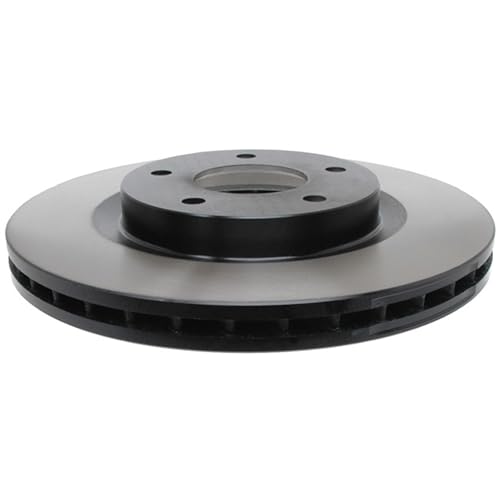
A shudder or vibration through the steering wheel or brake pedal when braking often indicates warped brake rotors. Rotors can warp from excessive heat, such as after hard braking or towing. The vibration is caused by uneven rotor surfaces. Sometimes it is just uneven pad transfer, which can be fixed by rebedding the brakes. But if the vibration persists, the rotors may need resurfacing or replacement. Also check for loose wheel bearings or suspension components, which can cause similar vibrations.
Scraping, Clicking, and Other Unusual Noises
A continuous scraping sound while driving without braking could mean a stone or debris caught between the rotor and shield. Try reversing and braking to dislodge it. If the noise remains, inspect the brake shield for damage. Clicking or tapping sounds when you apply the brakes may indicate loose brake pads or worn caliper hardware. This can reduce braking efficiency. A low groaning sound during heavy braking can be normal with semi metallic pads, but if it is new or loud, check pad wear. Any new, persistent noise warrants a visual inspection.
When to Check Your Brakes Yourself
You can inspect brake pads without removing the wheel if you have a flashlight and look through the wheel spokes. The pad material should be at least a quarter inch thick. If it looks thinner than that, schedule replacement. Also check the rotor surface: it should be smooth and shiny with slight wear lines. Deep grooves or a lip on the rotor edge indicate wear. Feel the wheel after a drive: if one wheel is hotter than others, a caliper may be sticking. For safety, if you are unsure about any symptom, visit a trusted mechanic. Brakes are vital to your safety.
Frequently Asked Questions
Why do my brakes make a grinding noise even when I'm not braking?
A grinding noise without braking often means a stone or debris is stuck between the rotor and the dust shield. It can also indicate a worn wheel bearing. Try reversing and braking gently to dislodge the debris. If the noise continues, inspect the brake shield or have a mechanic check the wheel bearings.
Is it safe to drive with a soft brake pedal?
No, a soft or spongy brake pedal indicates a problem with the brake fluid or system. It reduces braking power and increases stopping distance. Do not drive the car until the issue is diagnosed and repaired, as brake failure could occur.
Can I replace just the brake pads without resurfacing the rotors?
It depends on rotor condition. If rotors are smooth, with no grooves, warping, or excessive wear, you can install new pads without resurfacing. However, it is often recommended to resurface or replace rotors to ensure proper pad bedding and even wear. If rotors are damaged, replacement is necessary.