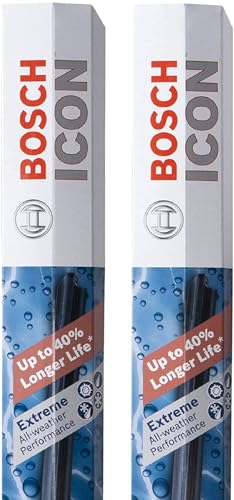
Cleaning your wiper blades is one of the fastest ways to restore a clear, streak free windshield. Over time the rubber edge picks up road grime, dead bugs, tree sap, plus a film of oil that makes every pass leave smears. A few minutes of attention brings tired blades back to life so your view stays sharp in rain and morning dew.
In this guide you’ll see how to clean wiper blades step by step, the household items that work best, plus the small mistakes that ruin the job. If the rubber is already cracked or torn, cleaning won’t be enough, so at that point a fresh pair of blades is the smarter fix. Lets walk through the routine so your next drive in the wet is a clear one.
Why dirty blades streak and smear
A wiper blade works by pressing a thin rubber edge flat against the glass, sweeping water aside in one clean motion. When that edge stays clean plus flexible, it clears the windshield in a single pass. The trouble starts when grime builds up on the rubber.
Road dust, pollen, brake particles, plus a greasy film from exhaust all stick to the blade. This buildup stops the rubber from making full contact with the glass, so water sneaks underneath instead of getting pushed off. The result is the streaking, smearing, plus chattering noise that most drivers know too well. Heat also hardens the rubber, which makes a dirty blade skip across the glass rather than glide. Cleaning the edge removes that film so the blade sits flat again, which is why a simple wipe down often fixes a streak you thought meant a worn out blade.
Step by step cleaning
You can clean both blades in under ten minutes with items you likely already own. Work on one blade at a time so the arm never snaps back onto the glass.
- Lift the wiper arm away from the windshield until it locks in the raised position, then gently swing the blade out so you can reach the rubber.
- Wipe the rubber edge with a clean microfiber cloth dampened with isopropyl alcohol or glass cleaner, running the cloth along the full length of the blade until no more dark residue comes off.
- Clean the windshield too, since a dirty glass surface will re contaminate a fresh blade within a day, so give the glass a full pass with the same cleaner.
- Dry the rubber edge and the glass with a separate dry cloth so no streaky film is left behind.
- Lower the wiper arm back onto the glass slowly with your hand, never letting it spring down on its own, as a hard snap can chip the windshield or bend the arm.
Run the wipers with a little washer fluid to check the result. A clean blade should clear the glass in one quiet sweep.
Tools and products you may need
You don’t need anything fancy for this job, and most of it’s already in the garage or under the sink. The right cloth plus a good cleaner makes the difference between a clean edge and a smeared one.
- Two microfiber cloths, one for cleaning and one for drying, since paper towels can leave lint on the rubber.
- Isopropyl alcohol or a standard automotive glass cleaner to cut through the oily film.
- Warm soapy water as a gentle first wash for very dirty blades before the alcohol step.
- A small bucket and a soft brush if road grime is caked on heavily.
If your wipes leave the glass cloudy no matter what, the rubber may simply be done. Then it’s worth comparing the best windshield wipers so you fit a quality replacement rather than chasing a clean that never comes. Keep a spare set in the trunk so a sudden storm never catches you out.
Mistakes to avoid
A few common slip ups can undo your work or even damage the blade. Keep this short list in mind before you start.
- Don’t use harsh solvents like gasoline, acetone, or thinner, as they break down the rubber and shorten blade life.
- Don’t scrub the rubber with an abrasive pad, which leaves micro tears that cause new streaks.
- Don’t skip cleaning the glass, because a clean blade on a dirty windshield will smear again almost at once.
- Don’t let the wiper arm snap back onto the glass, since the impact can crack the windshield.
- Don’t ignore the washer nozzles, as clogged jets force the blade to drag across dry, gritty glass.
Avoiding these small errors keeps your blades clearing well for far longer between replacements.
When cleaning won’t save a worn blade
Cleaning solves a film problem, not a wear problem. Rubber ages with sun, heat, plus use, so once it hardens or splits no amount of wiping brings it back. Look for clear warning signs that the blade is finished.
If you see cracks along the rubber edge, torn chunks, a bent frame, or a permanently curled lip, the blade can no longer sit flat on the glass. You’ll also notice chattering that stays after a clean, plus streaks that return within a day. Most blades last about six to twelve months depending on climate, with brutal sun or icy winters shortening that span. When a clean no longer gives you a quiet, clear sweep, replacement is the only real fix. Swapping blades takes only a couple of minutes.
Frequently Asked Questions
How often should I clean my wiper blades?
A quick wipe every few weeks keeps the rubber edge clear, and a deeper clean once a month is plenty for most drivers. Clean them right away if you notice streaking or hear chattering, since that usually means grime has built up on the edge.
Can I use vinegar to clean wiper blades?
Yes, a mild solution of white vinegar and water works well to break down the oily film on the rubber. Wipe the edge with a damp cloth, then dry it. Avoid strong solvents like acetone or gasoline, as they damage the rubber and shorten blade life.
Why do my wipers still streak after cleaning?
If streaking continues after a thorough clean, the rubber is likely worn, cracked, or hardened and can no longer sit flat on the glass. Check the edge for splits or tears. When the rubber is damaged, a replacement is the only reliable fix.
The Bottom Line
Cleaning your wiper blades is a five minute habit that pays off every time it rains. By lifting the arm, wiping the rubber edge with alcohol or glass cleaner, cleaning the glass, and lowering the arm gently, you restore a clear, quiet sweep without spending a thing. Keep two cloths and a bottle of cleaner handy and the job becomes routine.
Remember that cleaning only fixes a dirty blade, not a worn one. When the rubber is cracked, torn, or hardened, fitting the right replacement blades is the smarter move for safe visibility. Stay on top of both cleaning and timely swaps, and you’ll always have a clear view of the road ahead.