Charging a car battery at home can save you time and money, but it must be done correctly to avoid injury or damage. This guide walks you through every step, from safety precautions to post‑charge maintenance.
All instructions follow recommendations from U.S. Safety agencies such as NHTSA and industry groups like SAE, ensuring a reliable and safe process.
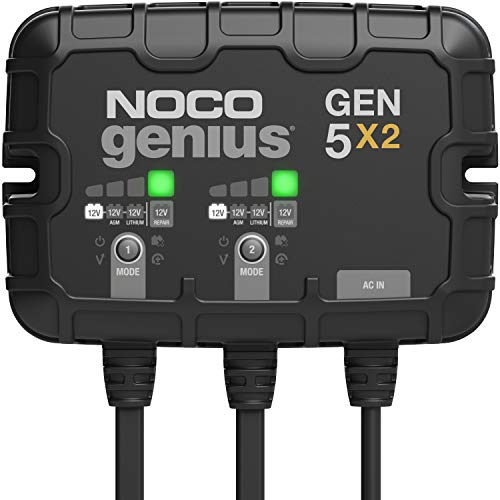
NOCO Genius10 10A Smart Battery Charger
Safety First
Before you begin, protect yourself and your vehicle. The National Highway Traffic Safety Administration (NHTSA) warns that battery acids are corrosive and hydrogen gas is explosive.
- Wear safety goggles, chemical‑resistant gloves, and long sleeves.
- Work in a well‑ventilated area, preferably outdoors.
- Keep flames, sparks, and cigarettes away from the battery.
- Turn off the vehicle and remove the key from the ignition.
Required Tools and Materials
Gather the following items before you start. The Automotive Service Association (ASA) recommends using a charger that meets SAE J2453 standards for automotive batteries.
- Battery charger rated for the battery’s voltage (most passenger cars use 12 V).
- Two insulated jumper leads or charger clamps.
- Distilled water (if you have a serviceable lead‑acid battery).
- Battery terminal cleaner or a wire brush.
- Protective covers for the charger’s clamps.
Preparing the Battery
Inspect the battery for damage and clean the terminals.
- Check for cracks, bulges, or leaking electrolyte. If any are present, replace the battery – don’t attempt to charge it.
- Remove any corrosion using a terminal cleaner or a mixture of baking soda and water; rinse and dry.
- If the battery is a removable type, loosen the negative (–) terminal first, then the positive (+) terminal.
- For flooded lead‑acid batteries, check the electrolyte level and add distilled water if needed, but never overfill.
Connecting the Charger
Proper connection order prevents short circuits and protects the charger.
- Connect the charger’s positive (+) lead to the battery’s positive terminal.
- Connect the charger’s negative (–) lead to a clean, unpainted metal surface on the vehicle’s chassis, away from the battery. This is called a grounding point and reduces spark risk (DOT safety bulletin 2021).
- Double‑check that the leads are secure and that there are no stray wires.
Charging the Battery
Follow the charger’s instructions, but the general steps are consistent across most devices.
- Select the appropriate charge mode – “slow” or “trickle” for a full recharge, or “fast” if you need a quick boost (SAE J2453 recommends a 10‑amp rate for most 12 V batteries).
- Set the charger to the correct voltage (12 V for most passenger cars). Some chargers auto‑detect voltage.
- Turn on the charger. Modern chargers display charging progress and may automatically switch to maintenance mode once the battery reaches full voltage.
- Charging time varies: a typical 12 V, 60 Ah battery may take 8‑12 hours on a slow charge. Don’t leave the charger unattended for extended periods.
Finishing Up and Maintenance
After the battery is fully charged, disconnect the charger safely and perform a quick check.
- Turn off the charger before removing any leads.
- Remove the negative (–) lead first, then the positive (+) lead.
- Re‑tighten the battery terminals and ensure they’re clean.
- Start the vehicle; the engine should idle smoothly. If the car stalls, the battery may still be weak or the alternator could be faulty (NHTSA, 2022).
- Record the charge date and consider a regular maintenance schedule: check voltage monthly and keep terminals clean.
Frequently Asked Questions
Can I charge a dead battery with a standard household charger?
Yes, as long as the charger is rated for automotive batteries and follows SAE J2453 specifications. However, a completely dead battery may need a higher amp‑hour charger or a professional jump‑start.
Is it safe to charge a battery in a garage?
Charging in a garage is acceptable if it’s well‑ventilated and free of open flames. The Department of Transportation (DOT) advises using a fan or opening doors to disperse hydrogen gas.
How often should I charge my car battery at home?
Most modern vehicles keep the battery charged via the alternator. If you store a vehicle for more than 30 days, a monthly maintenance charge is recommended by the Automotive Service Association (ASA).
What does “maintenance mode” mean on a charger?
Maintenance mode, also called float mode, keeps the battery at a safe voltage after it’s fully charged. The charger supplies a low current to compensate for self‑discharge without overcharging.
Can I use a lithium‑ion charger on a lead‑acid battery?
No. Lithium‑ion chargers have different voltage profiles and can damage lead‑acid batteries. Always match the charger type to the battery chemistry.
The Bottom Line
Charging a car battery at home is straightforward when you follow proper safety protocols, use the right equipment, and respect the charging process. By adhering to guidelines from NHTSA, SAE, and other U.S. Authorities, you can keep your vehicle reliable and extend the life of its battery.