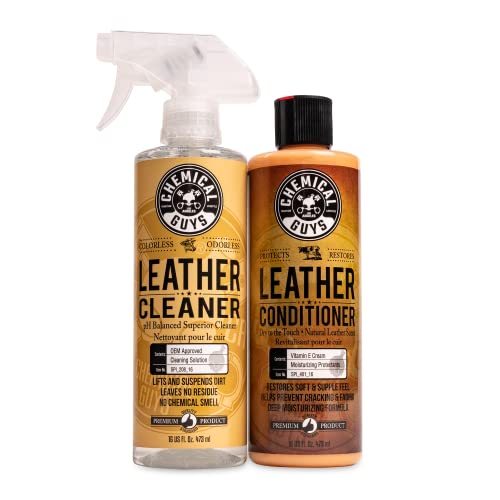
You should condition your leather car seats every 3 to 6 months to maintain their appearance and prevent cracking. However, the exact frequency depends on factors like your climate, how often you use the car, and the type of leather. Over-conditioning can be as harmful as neglect, so it’s important to find the right balance.
General Guidelines for Conditioning Frequency
For most vehicles in moderate climates with average use, conditioning twice a year (every 6 months) is sufficient. If you live in a hot, dry climate or park in direct sunlight, increase to every 3 months. Vehicles in humid areas may need conditioning every 4 months to prevent mold and mildew. High-use vehicles like daily drivers or those with frequent passengers may require more frequent conditioning, up to every 2-3 months.
Signs Your Leather Needs Conditioning
Instead of sticking to a strict schedule, look for these signs: the leather feels dry or stiff, appears dull or faded, shows fine cracks or creases, or water no longer beads on the surface. If you press a white cloth on the leather and it comes back clean (no dye transfer), it’s likely dry and needs conditioning. Avoid waiting until cracks appear, as that indicates damage has already started.
How to Condition Leather Properly
First, clean the leather thoroughly with a pH-neutral cleaner. Apply a small amount of conditioner to a microfiber cloth and rub it into the leather using circular motions. Let it sit for 5-10 minutes, then buff off any excess with a clean cloth. Avoid using products with silicone or wax, which can clog pores. For best results, use a conditioner with UV protection. Always test on a hidden area first. For more interior care tips, check out our interior care guide.
Factors That Affect Conditioning Needs
Climate is the biggest factor: dry heat accelerates moisture loss, while humidity can cause mold if leather stays damp. Leather type matters too: aniline leather is more absorbent and may need more frequent conditioning than pigmented or coated leather. Age and wear also play a role: older leather is more porous and may require more frequent care. If you use seat heaters, they can dry out leather faster, so consider conditioning more often in winter.
Frequently Asked Questions
Can you over-condition leather seats?
Yes, over-conditioning can make leather feel greasy, attract dirt, and clog pores, leading to a sticky surface. Stick to the recommended frequency and always buff off excess conditioner.
What happens if you never condition leather?
Unconditioned leather will dry out, crack, and fade over time. Sunlight and heat accelerate this process, leading to permanent damage that may require expensive replacement.
Do new leather seats need conditioning?
New leather seats often have a factory coating that protects them for the first 6-12 months. After that, start conditioning every 6 months. Check your owner’s manual for specific recommendations.
The Bottom Line
Condition your leather seats every 3-6 months, adjusting based on climate, usage, and leather condition. Look for signs of dryness rather than relying solely on a calendar. Proper conditioning extends the life of your leather and keeps your interior looking luxurious. For more automotive advice, explore our interior care resources.