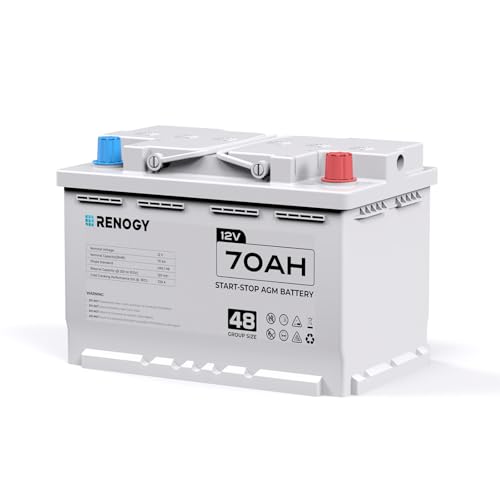
Start-stop batteries typically last between 3 and 5 years, but their lifespan depends heavily on driving conditions, climate, and maintenance. Unlike standard car batteries, these are designed to handle frequent discharging and recharging cycles. However, if you mostly drive short distances or in extreme temperatures, you may need a replacement sooner.
What Affects Start-Stop Battery Life?
Several factors determine how long your start-stop battery will last. The most important ones include driving patterns, ambient temperature, and battery type. Frequent short trips prevent the battery from fully recharging, which can reduce its lifespan to 2 to 3 years. Conversely, highway driving and longer trips help maintain a full charge, potentially extending life to 5 years or more. Extreme heat accelerates chemical reactions inside the battery, causing faster degradation, while extreme cold reduces capacity and increases strain during starts. Also, AGM (Absorbent Glass Mat) batteries used in many start-stop systems generally last longer than EFB (Enhanced Flooded Battery) types, but both are more expensive than traditional batteries.
How to Extend the Life of Your Start-Stop Battery
To maximize battery life, follow these honest tips. First, avoid frequent short trips; combine errands to allow the battery to recharge fully. Second, use a battery maintainer if the vehicle sits unused for weeks. Third, keep the battery clean and terminals free of corrosion. Fourth, minimize parasitic drain by turning off lights, accessories, and leaving doors closed when parked. Finally, have the battery tested annually after the third year, especially before winter or summer extremes. Note that start-stop systems place extra demand on the battery, so even with perfect care, 5 years is a realistic upper limit for most drivers.
Signs Your Start-Stop Battery Is Failing
Watch for these warning signs: the start-stop system stops working (the engine no longer shuts off at stops), the engine cranks slowly, dashboard warning lights appear, or you notice dimming headlights. If you experience any of these, have the battery tested. Many auto parts stores offer free testing. Keep in mind that a failing battery can also damage the starter or alternator, so early replacement is wise. When replacing, always use the correct type (AGM or EFB) as specified by your vehicle manufacturer; using a standard battery will cause premature failure and may void warranties.
Frequently Asked Questions
Can I replace a start-stop battery with a regular battery?
No, you shouldn’t replace a start-stop battery with a regular battery. Start-stop systems require AGM or EFB batteries that can handle frequent cycling and deep discharges. A standard battery will fail quickly and may cause electrical issues. Always check your owner’s manual or consult a professional.
How much does a start-stop battery cost?
Start-stop batteries cost between $150 and $300, depending on the type (AGM vs. EFB) and your vehicle. This is roughly double the price of a conventional battery, but they last longer and are necessary for the system to function. Some luxury vehicles may require batteries costing $400 or more.
Does the start-stop system wear out the battery faster?
Yes, the start-stop system does put additional stress on the battery due to repeated discharging and recharging. However, modern AGM batteries are designed for this duty cycle and typically last 3 to 5 years. Without the system, a standard battery might last 4 to 6 years, so the trade-off is modest for the fuel savings.
The Bottom Line
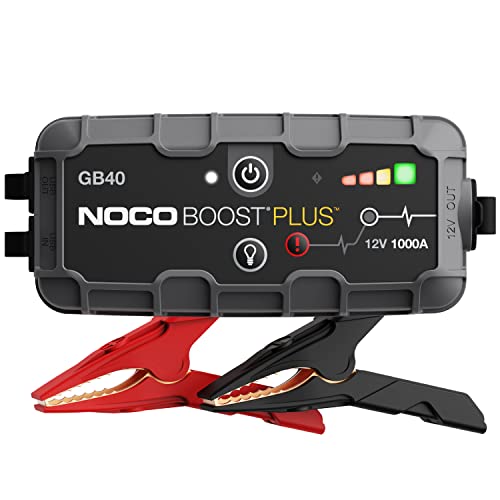
Start-stop batteries generally last 3 to 5 years, but real-world lifespan varies. To get the most out of yours, drive longer trips, avoid extreme temperatures when possible, and perform annual checks. When it’s time to replace, invest in the correct battery type and consider using a quality jump starter for emergencies. For more on battery care, browse our batteries category.