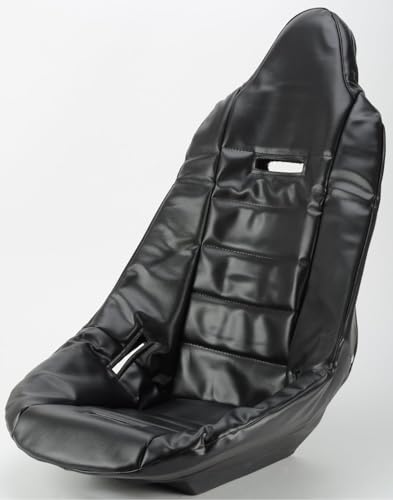
Most buyers regret not verifying heated seat compatibility before purchase, leading to wasted money on systems that don’t fit or work properly. The biggest mistakes involve seat cover interference, incorrect wiring harnesses, and ignoring vehicle-specific requirements. Here’s what you need to know to avoid these common pitfalls.
1. Seat Cover Compatibility Issues
Many aftermarket heated seat kits fail because the seat covers aren’t designed for them. Thick covers, especially leather or neoprene, can block heat transfer and cause uneven heating. For best results, use covers that are at least 2-3 mm thick and have a breathable backing. Avoid covers with heavy padding or waterproof layers, as they trap heat and can damage the heating elements. If you already have seat covers, check the manufacturer’s compatibility list before buying a heating kit. Some covers sold on MustCarBeast’s seat cover category are explicitly tested with heating systems.
2. Wiring and Installation Challenges
Another major regret is underestimating the wiring complexity. Most heated seat kits require tapping into the vehicle’s 12V power, often through the fuse box or cigarette lighter. Buyers frequently choose the wrong gauge wire (use 14-16 AWG for most cars) or fail to install a proper fuse (5-10 amp recommended). Also, many cars have airbag sensors in the seats; improper wiring can trigger warning lights. Always disconnect the battery before installation and test the system with a multimeter. If you’re not confident, professional installation costs $100-$200 but saves headaches.
3. Vehicle-Specific Fitment Problems
Not all heated seat kits fit all vehicles. Common regrets include buying universal kits that don’t match the seat shape, especially for bucket seats with pronounced bolsters. Measure your seat width and depth before ordering. Also, some vehicles have seat heaters built into the factory wiring, and aftermarket kits can conflict with the car’s computer. For example, Ford and GM models from 2010 onward often require a CAN bus interface. Check forums for your specific make and model before buying. If you need diagnostic tools, a quality OBD2 scanner can help identify any electrical issues.
Frequently Asked Questions
Can I install heated seat pads under existing seat covers?
Yes, but only if the covers are thin and not waterproof. The heating pad should be placed directly on the seat foam, under the cover. Avoid covers with thick foam backing as they reduce heat transfer.
Will heated seats drain my car battery?
They draw 2-5 amps per seat, so running them with the engine off for over 30 minutes can drain a healthy battery. Always use the engine running or a jump starter if needed. Check our best jump starters guide for reliable options.
Do heated seats work with leather seat covers?
They can, but leather conducts heat poorly compared to cloth. Expect slower warm-up and lower maximum temperature. Use a kit with higher wattage (40-60 watts per seat) for leather covers.
The Bottom Line
To avoid regret, verify your seat cover compatibility, choose a wiring kit with proper fuses and gauge, and confirm fitment for your vehicle. Measure twice, buy once. If in doubt, consult a professional installer or use vehicle-specific kits rather than universal ones.