Replacing tires is among the most important maintenance tasks for vehicle safety and performance. Many drivers wonder whether they must replace all four tires at the same time or if mixing new and older tires is acceptable.
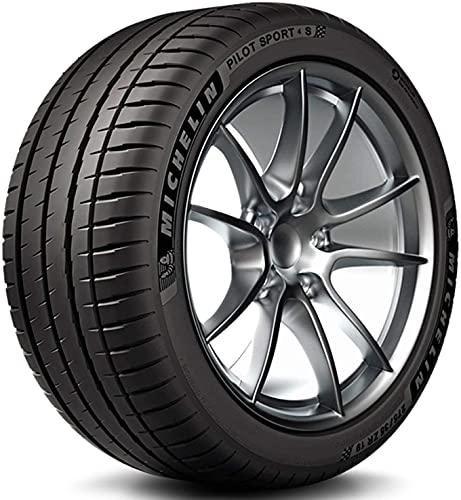
Michelin Pilot Sport 4
This guide explains the technical, legal, and practical factors that determine when a full set replacement is needed, and how to make the best decision for your car.
Why Tire Matching Matters
Modern passenger cars are designed with a specific tire size, load rating, and speed rating in mind. When tires with different tread depths or wear characteristics are combined, the vehicle’s handling, braking, and traction can be compromised.
- Uneven grip can cause the vehicle to pull to one side during hard braking.
- Differences in rolling resistance affect stability control systems.
- Mixed tires may lead to premature wear of suspension components.
Automakers and the Society of Automotive Engineers (SAE) recommend matching tread depth within a 2/32‑inch range for optimal performance (SAE J2452, 2021).
Understanding Tire Wear and Tread Depth
Tread depth is the primary indicator of a tire’s remaining life. New tires typically start with 10/32 to 11/32 inches of tread. The National Highway Traffic Safety Administration (NHTSA) sets the minimum legal tread depth at 2/32 inches for most passenger tires.
- Check tread depth with a penny or a tread‑depth gauge at multiple points around each tire.
- Record the shallowest measurement; this is the limiting factor for the whole set.
- If the shallowest tire is within 2/32 inches of the legal minimum, all tires should be replaced.
Legal and Safety Standards (NHTSA, DOT)
The U.S. Department of Transportation (DOT) requires that all tires sold in the United States meet minimum performance standards for load capacity, speed rating, and tread wear. NHTSA’s “Tire Safety” guidelines advise drivers to replace tires when tread depth falls below 2/32 inches or when the tire is more than six years old, regardless of tread wear (NHTSA, 2022).
Also, many state vehicle inspections will flag mismatched tread depths as a safety concern, potentially leading to a failed inspection.
When to Replace All Four vs. Two Tires
Replacing only two tires can be safe if the new tires match the existing ones in model, size, speed rating, and tread depth. The following situations usually require a full four‑tire replacement:
- All four tires have uneven wear patterns or one is close to the legal minimum tread depth.
- The vehicle uses all‑wheel‑drive (AWD) or four‑wheel‑drive (4WD) systems that rely on equal tire diameters to prevent drivetrain damage.
- The existing tires are older than six years, even if tread depth appears adequate (NHTSA, 2022).
If you replace only two tires on a front‑wheel‑drive or rear‑wheel‑drive vehicle, install the new tires on the rear axle. This improves stability during sudden maneuvers (SAE, 2020).
Best Practices: Rotation, Alignment, and Age Limits
Proper maintenance extends tire life and reduces the need for frequent full replacements.
- Rotation: Follow the manufacturer’s rotation schedule, typically every 5,000 to 7,500 miles, to promote even wear.
- Wheel Alignment: Have alignment checked after installing new tires or whenever you notice uneven wear.
- Age Limits: Even if tread appears sufficient, replace tires that are ten years old from the date of manufacture (DOT code). The rubber degrades over time, affecting grip.
Keeping records of rotation dates, mileage, and DOT manufacturing codes helps you plan replacements before safety issues arise.
Cost‑Effective Strategies and Common Misconceptions
Many drivers assume that mixing a brand‑new tire with three older ones will save money without affecting performance. In reality, the cost of potential tire‑related repairs, reduced fuel efficiency, and possible drivetrain damage can outweigh the initial savings.
Consider these strategies:
- Buy a matching set during seasonal sales to reduce overall expense.
- Look for tire manufacturers that offer “same‑model” warranties that cover all four tires if one fails early.
- Use tire‑matching services offered by many reputable shops; they ensure the new tires match the existing size, speed rating, and tread design.
Understanding the long‑term impact of tire choices helps you make safer, more economical decisions.
Frequently Asked Questions
Can I replace only two tires on an AWD vehicle?
No. AWD and 4WD systems depend on equal tire diameters to operate correctly. Mismatched tires can cause the center differential to work harder, leading to premature wear or failure. Replace all four tires or use a set of matching tires on all axles.
What is the minimum legal tread depth in the United States?
The NHTSA sets the minimum tread depth at 2/32 of an inch for most passenger tires. Some states may have higher requirements for specific vehicle types, so check local regulations.
How does tire age affect safety?
Rubber compounds deteriorate over time, even if tread depth is still adequate. NHTSA recommends replacing tires that are ten years old, based on the DOT manufacturing code, to maintain optimal traction and heat resistance.
Should new tires be installed on the front or rear axle?
For front‑wheel‑drive and rear‑wheel‑drive vehicles, install the new tires on the rear axle. This improves stability during sudden lane changes and reduces the risk of hydroplaning (SAE, 2020).
Do tire rotations eliminate the need for full replacements?
Rotations help balance wear but don’t replace the need for a full set when tread depth becomes uneven or when tires exceed age limits. Regular rotations, however, can delay the point at which a full replacement is necessary.
The Bottom Line
Replacing all four tires at once isn’t always mandatory, but it becomes essential when tread depth, age, or drivetrain design demands uniformity. By following NHTSA and SAE guidelines, monitoring tire wear, and maintaining proper rotation and alignment, you can ensure safe handling while minimizing unnecessary expense.