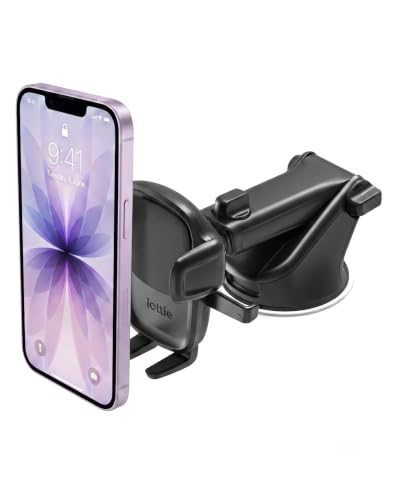
Magnetic phone mounts have become incredibly popular, offering a convenient and secure way to hold your device in your car. Their strong grip and minimalist design are appealing, but a common question often arises: Can these magnets damage my phone?
This guide from MustCarBeast aims to provide clear, accurate answers to address your concerns. We’ll look at how magnets interact with modern smartphone technology, identify potential points of interference, and offer best practices for safe and worry-free use.
Understanding How Magnets Interact with Phones
Modern smartphones are remarkably resilient devices, designed with components that are largely unaffected by the magnetic fields typically found in everyday items, including phone mounts. Unlike older technologies such as CRT monitors or mechanical hard drives, which were susceptible to magnetic interference, today’s devices use flash memory and LCD or OLED screens, neither of which can be corrupted or damaged by magnets.
The primary internal component that can interact with an external magnetic field is the magnetometer, often referred to as the compass. This sensor helps your phone determine its orientation and direction.
The Compass (Magnetometer) and Magnetic Interference
The most common and almost exclusive effect of magnetic phone mounts on a smartphone is temporary interference with its built-in compass. The magnetometer works by detecting the Earth’s magnetic field. When a strong external magnet is placed nearby, it can temporarily disrupt the sensor’s ability to accurately read the natural magnetic field.
- Temporary Effect: This interference isn’t permanent damage. Your compass app might show inaccurate readings, or navigation apps might struggle with initial orientation.
- Easy Resolution: Most compass issues are resolved simply by removing the phone from the mount. If readings remain off, recalibrating the compass (often by waving the phone in a figure-eight motion) quickly restores accuracy. Major manufacturers like Apple and Samsung acknowledge this temporary effect but confirm no permanent damage results.
Are Other Phone Components at Risk?
Beyond the compass, concerns often extend to other vital phone components. Here’s a breakdown of common worries:
- Flash Memory/Storage: Modern phones use solid-state flash memory (NAND flash), which stores data electronically, not magnetically. It’s completely immune to magnetic fields. Your photos, apps, and data are safe.
- Screen (LCD/OLED): The displays in current smartphones aren’t affected by magnets. You won’t experience discoloration, dead pixels, or any other display anomalies.
- Speakers and Microphones: These components actually contain small magnets themselves. External magnets from phone mounts don’t typically harm their function.
- Camera and Optical Image Stabilization (OIS): Some advanced camera systems use small magnets for their Optical Image Stabilization (OIS) features. While extremely powerful, industrial-strength magnets *could* theoretically interfere, the magnets in standard phone mounts are generally too weak to cause any permanent damage to your phone’s camera or OIS system.
- Wireless Charging: While not a damage risk, the metal plate required for magnetic mounts can block the wireless charging coil on your phone. If placed incorrectly, it’ll prevent your phone from wirelessly charging.
The Strength of Phone Mount Magnets
It’s important to distinguish between the powerful industrial magnets found in laboratories or heavy machinery and the magnets used in phone mounts. Phone mount magnets are specifically designed to be strong enough to securely hold your phone, even over bumps, but not so strong as to cause permanent harm to its internal electronics.
Manufacturers of reputable phone mounts carefully select magnets that provide optimal holding strength without posing a risk to your device’s core functionality. The magnetic field diminishes rapidly with distance, further reducing any potential impact on sensitive internal components.
Best Practices for Using Magnetic Phone Mounts Safely
To ensure the best experience and eliminate any lingering concerns, follow these simple guidelines:
- Choose Reputable Brands: Opt for magnetic mounts from well-known manufacturers who adhere to safety standards.
- Strategic Plate Placement: If your phone supports wireless charging, carefully place the metal plate for the magnetic mount to avoid covering the wireless charging coil (usually in the center of the phone’s back). Many mounts offer adhesive rings or plates that can be placed around the coil.
- Recalibrate If Needed: If you notice compass inaccuracies after using the mount, simply remove the phone and perform a quick recalibration by moving your phone in a figure-eight pattern.
- Avoid Extremely Strong Magnets: While phone mount magnets are safe, avoid placing your phone near exceptionally powerful, non-mount related magnets for extended periods, just as a general precaution.
Manufacturer Stance and Recommendations
Leading smartphone manufacturers, including Apple and Samsung, generally don’t issue warnings against using magnetic accessories due to permanent damage risks. Their guidance typically focuses on potential temporary interference with features like the compass or advising against placing metal objects that block wireless charging functionality.
For instance, Apple has stated that magnets in accessories are unlikely to interfere with most iPhone functions, though they may temporarily affect the compass. Samsung offers similar general advice, emphasizing that modern phone components are durable. This reinforces the consensus that magnetic phone mounts are safe for the vast majority of users and devices.
Frequently Asked Questions
Can magnets erase my phone's data?
No, modern smartphones use flash memory (like SSDs) which stores data electronically and is immune to magnetic fields, unlike old magnetic hard drives. Your data is completely safe.
Will a magnetic mount affect my phone's battery life?
No, magnets themselves don’t directly impact battery life or drain your phone’s power. However, if the metal plate blocks wireless charging, you might rely on wired charging more, but this isn’t a magnet-induced battery issue.
Does a magnetic mount interfere with GPS navigation?
While strong magnets can temporarily interfere with the phone’s compass (magnetometer), which aids in initial direction finding, they generally don’t affect the core GPS signal reception or processing. Your GPS will still function accurately for location tracking.
Can magnetic mounts damage my phone's camera or OIS?
For most typical phone mount magnets, permanent damage to the camera or Optical Image Stabilization (OIS) system is highly unlikely. Temporary, minor interference is rare but possible with exceptionally strong magnets, which aren’t found in standard phone mounts.
Is it safe to use a magnetic mount with wireless charging?
Yes, but the metal plate required for the magnetic mount must be placed carefully to avoid blocking the wireless charging coil on your phone. If the plate covers the coil, wireless charging won’t work, but it won’t damage your phone.
The Bottom Line
Overall, for the vast majority of users, modern magnetic phone mounts pose little to no risk of permanent damage to smartphones. The most significant and common effect is temporary interference with the compass, which is easily resolved by removing the phone from the mount or recalibrating. By choosing reputable brands and being mindful of metal plate placement for wireless charging, you can confidently enjoy the convenience and security that magnetic phone mounts offer without worrying about harming your valuable device.
More Phone Mounts Guides
- How to Mount a Phone in Your Car
- Best Dashboard Phone Mounts (Researched and Compared)
- 7 Best Golf Cart Cell Phone Holders (Researched and Compared)
- Best Magnetic Phone Mounts for Car (Researched and Compared)
- Best Phone Mounts for Trucks (Researched and Compared)
- Are Phone Mounts Legal While Driving