Yes, foam cannons effectively pre-soak and loosen dirt before a contact wash, but they do not replace hand washing. They reduce swirl marks by lifting contaminants, yet you must still use a mitt and bucket for a truly clean car.
How Foam Cannons Work and Their Real Benefits
A foam cannon attaches to a pressure washer and mixes water with car shampoo to produce thick foam. The foam clings to the paint, encapsulating dirt and causing it to drip off. This reduces the risk of scratching when you later wash with a mitt. Key benefits: loosens bug splatter, bird droppings, and road grime; covers large areas quickly; and makes the wash process more satisfying. However, the foam alone is not enough to remove bonded contaminants like tar or iron fallout.
When Foam Cannons Are Worth It: Real-World Scenarios
Foam cannons shine in these situations: 1) Heavily soiled cars: a thick pre-soak for 3-5 minutes lifts caked-on mud. 2) Delicate paint: reduces friction during the contact wash. 3) Enthusiasts who detail frequently: saves time and adds a professional touch. But if you wash your car weekly with light dust, a foam cannon is overkill. A simple rinse with a hose and a two-bucket method works fine. Also, foam cannons require a pressure washer, adding cost and setup time.
Foam Cannon vs. Traditional Wash: Cost and Effort
A decent foam cannon costs $30-$80, plus a pressure washer ($100-$400). You also need specialty soap formulated for foam cannons, which costs $10-$20 per bottle. Traditional wash: bucket, mitt, hose, and car soap (under $50 total). Foam cannons use more soap and water. For effort: foam cannon adds a 5-minute pre-soak step, but reduces scrubbing time. Many users find it more fun and less tedious. Honest caveat: if you have hard water, foam can leave mineral spots if it dries on the paint. Work in the shade and rinse promptly.
Common Mistakes and How to Avoid Them
Mistake 1: Using dish soap or degreaser in the cannon. These strip wax and damage paint. Use a pH-neutral car shampoo. Mistake 2: Letting foam dry on the car. Rinse before it dries to avoid etching. Mistake 3: Expecting a no-contact wash. Foam alone cannot remove all dirt; you must still use a mitt. Mistake 4: Using too much soap. Follow the ratio on the bottle (usually 1:5 to 1:10). Over-sudsing wastes soap and can leave residue. For best results, pre-rinse the car, apply foam, let it dwell 3-5 minutes, then rinse before the contact wash.
Frequently Asked Questions
Can a foam cannon damage my car’s paint?
No, if you use the correct soap and proper technique. Avoid harsh chemicals and never let foam dry on the paint. The foam itself is safe and actually reduces scratch risk by lubricating the surface.
Do I need a pressure washer for a foam cannon?
Yes, most foam cannons require a pressure washer to generate the thick foam. There are garden hose attachments, but they produce thin, runny foam that is less effective. For best results, invest in a pressure washer.
What’s the best soap for a foam cannon?
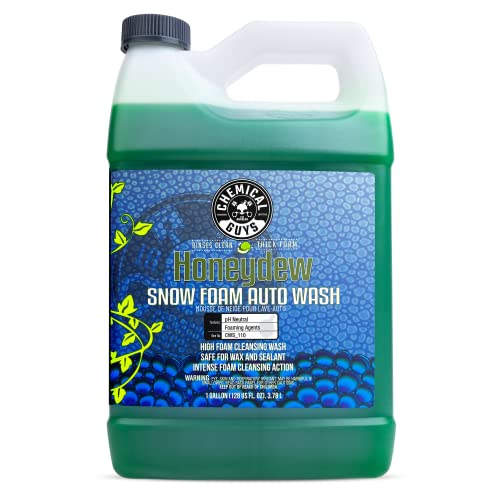
Use a dedicated foam cannon soap or a high-sudsing car shampoo. Avoid wax-in-shampoo products as they can leave streaks. Brands like Chemical Guys Honeydew or Meguiar’s Gold Class work well. Check our car detailing section for more recommendations.
The Bottom Line
Foam cannons are a valuable tool for serious car detailers, but not essential for everyone. They excel at pre-washing to minimize swirl marks and make the wash process more efficient. If you enjoy detailing and have a pressure washer, a foam cannon is a worthwhile upgrade. For casual washers, a traditional bucket wash is sufficient and more economical. Ultimately, foam cannons work as intended, but they are a supplement, not a replacement, for proper hand washing.