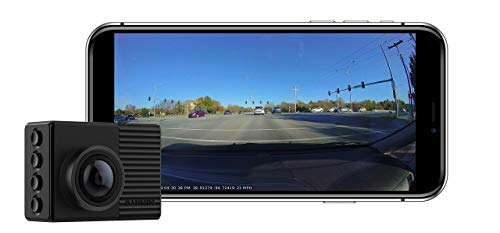
Installing a rear dash cam typically does not void your vehicle’s warranty, as long as the installation does not damage any components or interfere with the car’s systems. However, improper hardwiring or modifications could lead to denied claims if they cause a failure. Here’s what you need to know to stay protected.
Understanding Warranty Protection and Aftermarket Add-Ons
Under the Magnuson-Moss Warranty Act, a dealer cannot void your warranty simply because you installed an aftermarket accessory like a rear dash cam. The burden of proof lies with the manufacturer: they must show that the dash cam caused the specific issue you’re claiming. For example, if your engine fails, a dash cam installation cannot be blamed unless it directly damaged wiring or electronics related to the engine.
When a Rear Dash Cam Could Void Your Warranty
There are three main scenarios where a rear dash cam might affect warranty coverage. First, if you hardwire the camera by tapping into the vehicle’s electrical system incorrectly, such as splicing wires without proper connectors, you could short-circuit a module. Second, if you drill holes for mounting that damage body panels or rust protection, those repairs may be denied. Third, if the camera’s wiring interferes with safety systems like airbags or backup sensors, any related claims could be rejected. To minimize risk, use a plug-and-play adapter that connects to the OBD2 port or a dedicated fuse tap, and avoid cutting factory wires. For more on diagnostic tools, see our best OBD2 scanners.
Hardwiring vs. Cigarette Lighter Power: Which Is Safer?
Using a cigarette lighter adapter is the safest method and will never void your warranty, as it requires no permanent modifications. Hardwiring, while cleaner, carries more risk if done improperly. If you choose to hardwire, use a fuse tap that connects to an existing circuit, and ensure the dash cam has a built-in voltage cutoff to prevent battery drain. Many dealerships offer professional hardwiring services for a fee, which can provide peace of mind. Remember, any damage caused by installation is your responsibility, so consider professional installation if you’re not experienced.
Dealer and Manufacturer Policies Vary
Some automakers are more lenient than others. For instance, Tesla has strict policies against aftermarket accessories that modify the electrical system, while Toyota generally allows them as long as no damage occurs. Always check your owner’s manual or call your dealer’s service department to ask about their specific stance. If you’re concerned, you can also use a wireless rear dash cam that runs on batteries, though these require frequent recharging. For reliable power solutions, check out our best jump starters for emergency backup.
Frequently Asked Questions
Will a rear dash cam affect my car’s computer or electronics?
No, a properly installed rear dash cam will not interfere with your car’s computer or electronics. Most cameras draw minimal power and use isolated circuits. However, if you tap into a critical system like the CAN bus, you could cause communication errors. Stick to power sources like the cigarette lighter or a dedicated fuse slot to avoid issues.
Can a dealership refuse warranty service because of a dash cam?
Yes, but only if the dash cam is directly responsible for the problem. For example, if your rear camera stops working and you have an aftermarket dash cam wired into the same circuit, the dealer may deny the claim. In most cases, they must prove causation. If you believe a claim is wrongfully denied, you can file a complaint with the FTC or seek legal advice.
Should I tell my dealer about my rear dash cam?
It’s not required, but being transparent can prevent misunderstandings. If you bring your car in for service, you can mention the dash cam and ask if it might affect any repairs. Some dealers may even appreciate knowing about aftermarket accessories to avoid accidental damage during service.
The Bottom Line
A rear dash cam is unlikely to void your warranty if installed correctly using non-invasive methods like a cigarette lighter adapter or a proper fuse tap. The key is to avoid cutting wires, drilling holes, or interfering with safety systems. Always research your vehicle’s specific policies and consider professional installation if you’re unsure. With careful installation, you can enjoy the benefits of a rear dash cam without risking your warranty coverage.