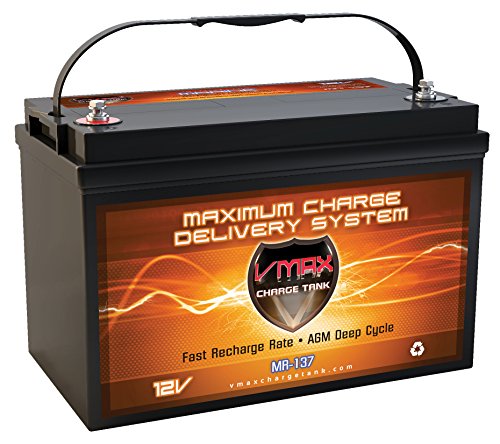
Yes, a failing battery makes the alternator work harder and can shorten its life. When a weak battery can’t hold a charge, the alternator must push extra current for long periods to keep the electrical system running. Over time that constant heavy load builds up heat inside the alternator and wears out its internal parts faster than normal. So a tired battery isn’t just an inconvenience, it can quietly take your charging system down with it.
The good news is that this damage is easy to prevent once you know what to look for. A quick health check with a battery tester tells you whether your battery is fading before it strains anything else. In this guide we explain how a weak battery hurts the alternator, how to protect both parts step by step, the tools that help, the mistakes to avoid, and when to test your charging system.
How a weak battery strains the alternator
The alternator has one main job while the engine runs: it powers the car and tops up the battery at the same time. A healthy battery acts like a buffer. It stores energy and smooths out demand, so the alternator only needs to replace what gets used. When the battery is in good shape, the charging system stays balanced and cool.
A failing battery breaks that balance. It drains quickly and refuses to hold a full charge, so the alternator keeps pumping out near maximum current trying to fill a tank that leaks. Running flat out generates heat, and heat is the enemy of the diodes, voltage regulator, and copper windings inside the unit. The longer this continues, the more those components degrade. A bad battery can therefore turn a perfectly good alternator into the next thing you have to replace, which is why catching a weak battery early matters so much.
Step by step: protecting both parts
Keeping your battery and alternator healthy comes down to a few simple habits. Follow these in order and you reduce the strain that leads to early failure.
- Test the battery regularly. Check its voltage and capacity every few months and before long trips so a slow decline never surprises you.
- Replace a failing battery promptly. Once a battery shows weak readings, swap it out rather than letting the alternator carry the extra load for weeks.
- Keep connections clean. Remove any corrosion from the terminals and make sure the cables are tight, because poor contact forces the system to work harder.
- Don’t rely on the alternator to revive a dead battery. Use a proper battery charger to bring a flat battery back, since asking the alternator to do it overheats the unit.
Tools you may need
You don’t need a full workshop to stay on top of battery and alternator health. A small kit covers almost every check you’ll want to do at home.
- One of the best car battery testers to measure voltage, capacity, and overall battery condition in seconds.
- A digital multimeter for spot checks on charging voltage at the terminals.
- A wire brush or terminal cleaner to clear corrosion from the posts and clamps.
- A smart battery charger for safely recharging a flat battery away from the engine.
- Basic gloves and eye protection, since batteries hold acid and current.
With these few items on a shelf, a quick monthly check becomes a five minute task instead of a guessing game.
Mistakes to avoid
Most charging system failures trace back to a handful of common errors. Steer clear of these and you give both parts a much longer life.
- Ignoring early warning signs such as dim lights, a slow crank, or a dashboard battery symbol.
- Topping up a dying battery again and again instead of replacing it.
- Letting corrosion build on the terminals until the connection becomes weak.
- Running many high draw accessories while the battery is already struggling.
- Assuming a new alternator alone will fix the problem when the real fault is the battery.
Each of these forces extra heat and load onto the alternator, and that’s exactly what shortens its working life.
When to test the charging system
Timing your checks well stops small issues from becoming roadside breakdowns. Test the battery roughly every three months, and always before winter, since cold weather is hard on weak batteries. A long trip is another good prompt for a quick check, because you don’t want a surprise far from home.
Beyond the routine, test straight away if you notice symptoms. Slow engine cranking, flickering or dim headlights, a battery warning light, or a car that needs a jump start all point to a battery or charging problem. Catching these early lets you replace a failing battery before it drags the alternator down with it, which is the cheaper and far less stressful path.
Frequently Asked Questions
Can a bad battery really kill a good alternator?
Yes. A battery that can’t hold a charge forces the alternator to run at high output for long stretches, which creates heat that wears out its internal parts and can lead to early failure.
How do I know if my battery or my alternator is the problem?
Test the battery first with a tester or multimeter. A low, fading battery reading points to the battery, while normal battery readings combined with charging trouble point to the alternator.
Should I replace the battery and alternator together?
Not always. If the alternator still charges correctly, replacing only the failing battery is usually enough. Replace the alternator as well only if testing shows it’s also faulty.
The Bottom Line
A bad battery is more than a slow start in the morning. By forcing the alternator to work at full output for long periods, it builds up heat that can shorten the life of your charging system. The fix is simple and cheap: test your battery regularly, replace it as soon as it starts to fade, keep the connections clean, and use a proper charger rather than the alternator to revive a flat battery. Keeping a good tester on hand makes those checks easy, so you can protect both the battery and the alternator before either one lets you down.
Related Guides
- 7 Best Cold Weather Car Batteries for 2026 (Researched and Compared)
- 7 Best Battery Packs for Camping (Researched and Compared)
- 7 Best Battery Powered Air Conditioners for Car (Researched and Compared)
- 7 Best Reviewed Car Battery Chargers (Researched and Compared)
- 7 Best Battery Pack Chargers for Car (Researched and Compared)
- 7 Best Motorcycle Phone Mounts with Charger (Researched and Compared)
