A brake pedal that feels spongy, soft, or sinks all the way to the floor is among the most alarming things a driver can experience. Unlike a squealing noise or a vibration you can live with temporarily, a soft pedal means the braking system isn’t operating at full force, and that puts every person in and around the vehicle at risk. NHTSA data consistently lists brake failures among the leading mechanical causes of crashes, and a soft pedal is often an early warning before complete failure occurs.
The good news is that the braking system is well understood, and each symptom points to a fairly specific set of causes. This guide walks through every major reason a brake pedal loses firmness, explains what is happening inside the system, and tells you which situations require you to stop driving immediately versus which can wait a short time for a shop appointment.
How a Hydraulic Brake System Creates Pedal Feel
Before diagnosing the problem, it helps to understand what makes a brake pedal feel firm in the first place. Modern vehicles use a hydraulic system governed by Federal Motor Vehicle Safety Standard (FMVSS) 135. When you press the pedal, a brake booster (vacuum or electric) multiplies your foot force and sends it to the master cylinder. The master cylinder converts that force into hydraulic pressure, pushing brake fluid through steel lines and rubber hoses to the calipers or wheel cylinders at each corner. The calipers squeeze brake pads against rotors, and wheel cylinders push brake shoes against drums.
The key principle is that brake fluid is essentially incompressible. A solid column of fluid transmits force with almost no energy loss. The moment anything compressible enters that column, whether air, a collapsing hose, or a failing component, the pedal starts to feel soft because some of your foot pressure is being absorbed by the compression rather than moving the pads.
Air in the Brake Lines (Most Common Cause)
Air is the number one cause of a spongy or soft pedal. Unlike fluid, air compresses easily. When air bubbles are present in the brake lines, pressing the pedal first compresses the air before it can build hydraulic pressure against the pads or shoes. The result is a pedal that travels farther than normal before resistance builds, and braking force is delayed or reduced.
Air enters the system in several ways:
- During brake service when lines, calipers, or the master cylinder are opened and not bled completely
- When brake fluid gets so old it absorbs moisture, lowers its boiling point, and vaporizes under heat (vapor lock)
- Through a cracked rubber brake hose that draws in air when the system depressurizes
- When fluid level drops low enough to expose the master cylinder reservoir ports
The fix is bleeding the brakes, a process that purges all air from the system by pushing fresh fluid through each caliper bleed screw until no bubbles emerge. SAE recommends a complete brake fluid flush every two to three years regardless of appearance, partly to prevent moisture buildup that leads to vapor lock.
Low or Leaking Brake Fluid
The brake system is sealed, so if the fluid level in the reservoir under the hood is dropping, fluid is going somewhere it shouldn’t. Low fluid can introduce air (see above) and directly reduce the hydraulic pressure available at the calipers.
Common sources of brake fluid loss include:
- Leaking caliper piston seals, which allow fluid to seep past the piston and onto the rotor or ground
- Leaking wheel cylinder cups on drum brake axles
- Cracked or corroded steel brake lines, especially on vehicles in rust-belt states where road salt is used
- Leaking flexible rubber hoses at each corner of the vehicle
- A failing master cylinder with worn internal seals that bypass fluid internally (see next section)
Check the ground under the vehicle and each wheel for a clear to light yellow oily film. Brake fluid has a slightly sweet smell and is slippery. Don’t confuse it with engine oil or gear oil, which are darker. If you find an active leak, don’t drive the vehicle. Fluid loss can accelerate quickly and leave you with no brakes. The DOT advises treating any confirmed brake fluid leak as a condition that grounds the vehicle until repaired.
Failing Master Cylinder
The master cylinder sits directly in front of the driver, bolted to the brake booster. Inside it are two pistons with rubber seals that push fluid into two separate circuits (front and rear, or diagonal split on most modern vehicles). This dual-circuit design is mandated by FMVSS 135 so that a single leak can’t eliminate all braking.
When the internal seals on the master cylinder wear out, fluid bypasses the pistons rather than being pushed forward under pressure. The pedal will slowly sink to the floor under steady pressure even though you’re holding your foot still. This internal bypass leaves no external leak to find, which makes diagnosis harder. The classic test: hold moderate pressure on the pedal for 30 seconds. If it slowly sinks, the master cylinder is bypassing internally.
A failing master cylinder requires immediate replacement. Driving with a bypassing master cylinder is dangerous because braking force is unpredictable and can fade entirely during a long stop.
Worn Brake Pads, Shoes, or Rotors
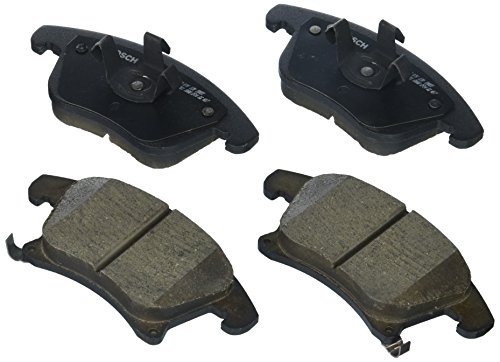
Heavily worn brake pads or shoes cause the caliper pistons and wheel cylinders to extend farther than normal to make contact with the rotor or drum. This extra travel uses up more of the pedal stroke before pressure builds. A severely worn pad can also crack or break apart, causing uneven or sudden loss of contact.
Signs that worn friction material is contributing to a soft pedal:
- Grinding or metal-on-metal noise when braking
- The pedal requires more travel than it used to but still firms up at the bottom of its stroke
- The brake warning light is on (most modern vehicles have a wear sensor)
Rotors that are heavily scored, have excessive runout, or have thickness variation can cause pulsation and uneven pad contact. A warped rotor doesn’t directly cause a soft pedal but can feel similar to one because braking force varies with each rotation. NHTSA recommends replacing pads when friction material reaches 2 to 3 mm and inspecting rotors for minimum thickness (marked on the rotor hat) at the same time.
Brake Booster Failure
The brake booster uses engine vacuum (or a separate electric vacuum pump on diesel and hybrid vehicles) to multiply the force of your foot. It doesn’t change hydraulic pressure directly, but without its assistance, you must push far harder to achieve the same stopping force. A failing booster makes the pedal feel hard and high, requiring noticeably more leg effort.
However, a booster with a torn diaphragm can create a different problem. Air or vacuum leaks inside the booster can affect pedal feel and, in rare cases where the booster seal fails between the booster and master cylinder, allow a path for air to enter the hydraulic circuit. Symptoms of a failing booster include:
- A hissing sound when you press the brake pedal
- A high, stiff pedal that requires significant force
- Engine idle that drops noticeably when the brakes are applied hard
A simple test: with the engine off, pump the brake pedal several times to exhaust stored vacuum. Hold light pressure on the pedal and start the engine. If the booster is working, the pedal should sink slightly as vacuum is restored. If nothing changes, the booster or its vacuum supply is faulty.
When to Stop Driving Immediately
Not every soft pedal situation has the same urgency. Use this as a guide for how quickly to act:
- Pedal goes to the floor with little or no resistance: Stop the vehicle as safely as possible and don’t drive it. This indicates severe fluid loss, complete master cylinder failure, or a catastrophic line failure. Call a tow truck.
- Pedal sinks slowly under steady pressure (bypassing master cylinder): Don’t drive. This failure mode can worsen suddenly with no warning.
- Active brake fluid leak visible on the ground or at a wheel: Don’t drive. Fluid loss is progressive and can accelerate.
- Soft, spongy pedal that still stops the car but takes more travel than normal: This is serious but may allow a short, careful drive to a shop if the vehicle still stops firmly at the end of pedal travel and no fluid leak is present. Avoid high-speed driving and long stops on grades.
- Pedal firm but hard and high (booster issue): The car can likely be driven carefully to a shop, but braking distances will be longer than normal. Be aware and increase following distance.
In any scenario involving brakes, erring on the side of towing is always the safer choice. The cost of a tow is far less than the cost of an accident caused by brake failure.
Frequently Asked Questions
Can I drive with a soft brake pedal?
It depends on severity. If the pedal still firms up at the bottom of its travel and the vehicle stops normally, you may be able to drive carefully to a nearby shop, but avoid highways and stop-and-go traffic that could overheat the system. If the pedal sinks to the floor, offers little resistance, or the vehicle is pulling to one side, don’t drive it. Call a tow truck instead. A brake system that’s partially functional can fail completely with no further warning.
Why does my brake pedal feel soft only when the car is warm?
A soft pedal that appears only after the brakes have been used extensively points to vapor lock. When brake fluid absorbs moisture over time, its boiling point drops. Heat generated during repeated stops can cause that moisture-laden fluid to vaporize, and vapor compresses just like air. DOT 3 fluid (commonly spec’d for older vehicles) has a minimum dry boiling point of 401 degrees Fahrenheit per DOT standards, but heavily contaminated fluid can boil well below that. The solution is a complete brake fluid flush with fresh fluid meeting or exceeding your vehicle’s DOT rating.
What does it mean when my brake pedal slowly sinks while I hold it at a stop?
A pedal that gradually sinks to the floor under steady foot pressure, even when the car is stationary, is the classic sign of a failing master cylinder with worn internal seals. The seals are bypassing fluid around the pistons rather than holding pressure. This failure is internal, so you may not see any fluid on the ground. The master cylinder must be replaced. This isn’t a condition that can be adjusted or topped off with fluid to fix temporarily.
How often should brake fluid be replaced to prevent a soft pedal?
Most vehicle manufacturers and SAE guidelines suggest replacing brake fluid every two years or 24,000 miles, whichever comes first. Brake fluid is hygroscopic, meaning it absorbs moisture from the air over time. A simple test strip available at auto parts stores can measure moisture content. If moisture exceeds about three percent by weight, the fluid’s boiling point has dropped enough to risk vapor lock under hard braking. Regular flushes are cheap insurance against a very preventable causes of a soft pedal.
Can a rear brake drum problem cause a soft pedal at the front?
Yes. Most modern vehicles use a split diagonal or front/rear hydraulic circuit. A rear drum wheel cylinder that’s leaking or a rear caliper with a failed seal reduces overall system pressure and can make the entire pedal feel lower or softer than normal. Brake problems at any corner of the vehicle affect what you feel at the pedal. A full brake inspection covers all four corners, not just the axle that’s showing symptoms.
The Bottom Line
A soft or spongy brake pedal is a symptom the braking system is telling you it can’t do its job reliably. Whether the cause is air in the lines, a leaking caliper, a bypassing master cylinder, or old brake fluid on the verge of vapor lock, each of these problems has a clear fix. Acting early, before a soft pedal becomes a pedal that goes to the floor, keeps repair costs manageable and keeps you and other drivers safe.
Related Guides
- 7 Best Brake Pads for Honda Civic in 2026 (Quiet, Low-Dust Evaluated)
- 7 Best Brake Line Flaring Tools for Cars in 2026 (Shop Evaluated)
- 7 Best Brake Pads for Drilled and Slotted Rotors in 2026 (Evaluated for Bite and Low Dust)
- 7 Best Disc Brake Cleaner (Researched and Compared)
- 7 Best Brake Pads (Researched and Compared)
- Best Brake Pads for Mazda CX-5 in 2026: 7 Sets That Actually Stop Better