Brake fluid absorbs moisture over time, which lowers its boiling point and can lead to brake failure. The first signs of trouble include a spongy brake pedal, longer stopping distances, and a warning light on your dashboard. Ignoring these signs risks corrosion in your brake system and reduced stopping power.
How Moisture Gets Into Brake Fluid
Brake fluid is hygroscopic, meaning it naturally pulls water from the air through microscopic pores in brake lines, seals, and the master cylinder reservoir. Even in a sealed system, moisture accumulates at a rate of per year. In humid climates, this rate can double. Over time, water content degrades the fluid’s performance, leading to a lower boiling point and increased risk of vapor lock.
Warning Signs of Contaminated Brake Fluid
Spongy or soft brake pedal: When moisture lowers the boiling point, braking heat can cause water to vaporize, creating compressible gas bubbles in the fluid. This makes the pedal feel soft or spongy. Longer stopping distances: As fluid degrades, brake response becomes delayed, requiring more pedal travel to stop. Dashboard warning light: Many modern cars have a brake fluid moisture sensor that triggers a warning when water content exceeds 3%. Visible fluid discoloration: Fresh brake fluid is clear to amber; dark brown or black fluid indicates contamination and oxidation. Corrosion on brake components: Moisture promotes rust in calipers, wheel cylinders, and steel brake lines, leading to leaks and expensive repairs.
Testing and Maintenance Recommendations
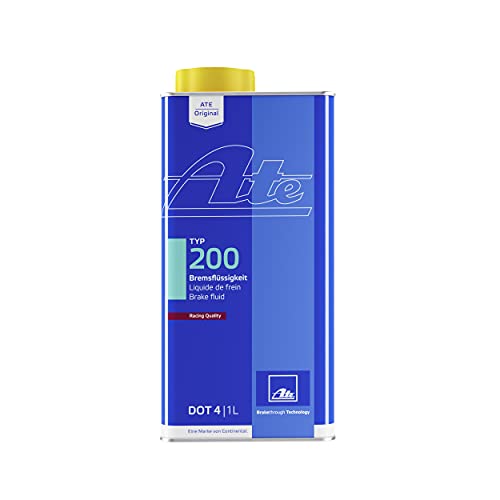
Test brake fluid moisture with a simple electronic tester or test strips (available at auto parts stores). Replace fluid if water content exceeds 3% or if the fluid is dark. Most manufacturers recommend a brake fluid flush every 2-3 years or 30,000 miles, but check your owner’s manual. For severe driving conditions (towing, mountain driving, track use), flush annually. Use only DOT 3, DOT 4, or DOT 5.1 fluid as specified; mixing types can cause seal damage. For more on vehicle fluids, see our fluids guide.
Consequences of Ignoring Moisture
High moisture content reduces the boiling point from over 400°F to as low as 284°F. During hard braking, fluid can boil, causing complete brake fade. Moisture also accelerates internal corrosion, leading to seized calipers, failed master cylinders, and leaking wheel cylinders. Repair costs for a corroded brake system can exceed $1,000, while a simple fluid flush costs $80-$150. Don’t wait for failure; proactive maintenance saves money and ensures safety.
Frequently Asked Questions
Can I just add new brake fluid instead of flushing?
No. Adding fresh fluid to old contaminated fluid does not remove moisture. A full flush is required to replace all fluid in the system, including the ABS module and brake lines.
How can I test brake fluid moisture at home?
Use an electronic brake fluid tester (available for under $20) or chemical test strips. Dip the tester into the reservoir fluid; a green light indicates safe moisture, yellow means caution, and red means replace. Test strips change color based on water content.
Does brake fluid moisture affect ABS operation?
Yes. Moisture can cause corrosion in ABS valves and pump, leading to ABS warning lights and system failure. Maintaining proper fluid condition is critical for ABS and stability control systems to function correctly.
The Bottom Line
Brake fluid moisture is a silent threat that compromises braking performance and system longevity. Watch for a spongy pedal, longer stops, and discolored fluid. Test annually and flush every 2-3 years to keep your brakes reliable. For more on maintaining your vehicle, check our fluids category.