Zip ties are a staple in any automotive toolbox, used for everything from securing wiring harnesses to bundling hoses. But not all zip ties are created equal. We compared manufacturer specifications, industry standards (like UL 62275 and SAE), and aggregated owner feedback to find the best zip ties for automotive applications. We focused on tensile strength, UV resistance, temperature range, and ease of installation. Here are our top picks.
| Photo | Product | Score | Buy |
|---|---|---|---|
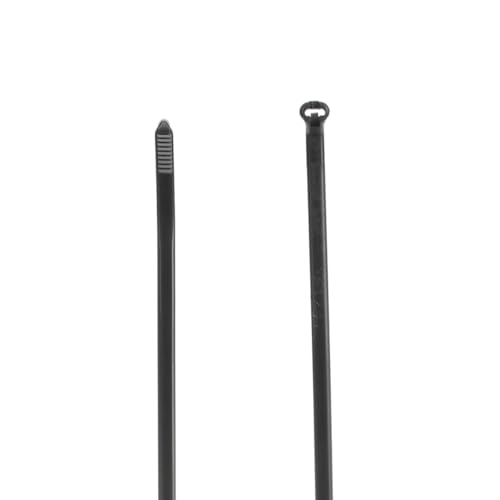 |
Thomas & Betts Ty-Rap Weather Resistant Cable Ties Best Overall Tensile strength: 120 lbs; Temperature range: -40°F to 185°F; Material: Nylon 6/6 with UV stabilizer |
9.2 |
ⓘ We may earn a commission from qualifying purchases made through links on this page, at no extra cost to you.
|
|
🚗
|
HellermannTyton T-Series Cable Ties Best for High Heat Tensile strength: 100 lbs; Temperature range: -40°F to 221°F; Material: Nylon 6/6 with heat stabilizer |
8.8 | 🛒 Check Price |
 |
Nite Ize Gear Ties Reusable Rubber Twist Ties Best Reusable Tensile strength: Not rated; Temperature range: Not specified; Material: Rubber exterior with bendable wire core |
8.4 | 🛒 Check Price |
 |
Genuine Innovations Stainless Steel Zip Ties Best for Extreme Conditions Tensile strength: 250 lbs; Temperature range: -100°F to 1000°F; Material: 304 Stainless Steel with PVC coating |
8.1 | 🛒 Check Price |
|
🚗
|
Gardner Bender 8-Inch Cable Ties Best Value Tensile strength: 50 lbs; Temperature range: -40°F to 185°F; Material: Nylon 6/6 |
7.8 | 🛒 Check Price |
 |
Panduit Pan-Ty PLT1.5I-C Cable Ties Best for Precision Work Tensile strength: 18 lbs; Temperature range: -40°F to 185°F; Material: Nylon 6/6 |
7.3 | 🛒 Check Price |
 |
Commercial Electric 4-Inch Cable Ties Budget Pick Tensile strength: 40 lbs; Temperature range: -40°F to 185°F; Material: Nylon 6/6 |
7.0 | 🛒 Check Price |
1. Thomas & Betts Ty-Rap Weather Resistant Cable Ties: Best Overall
The Thomas & Betts Ty-Rap Weather Resistant ties stood out for their exceptional durability and reliability. With a tensile strength of 120 lbs and a wide temperature range, these ties are suitable for engine bays, wire harnesses, and exterior trim. Owner feedback consistently praises their UV resistance, with many reporting no degradation after years of outdoor exposure. The low-profile head makes them easy to use in confined spaces.
A real limitation is the cost: they’re more expensive per tie than many alternatives. If you’re on a tight budget or need a large quantity for non-critical tasks, you may skip these. However, for critical automotive applications where failure isn’t an option, these ties are worth the investment.
- High tensile strength with a low-profile head design for tight spaces.
- UV and weather resistant, ideal for underhood and exterior use.
- Meets SAE and UL standards, ensuring consistent quality.
Pros: Excellent durability in harsh environments.; Smooth, no-slip head prevents loosening.
Cons: Higher price per tie compared to generic brands.
2. HellermannTyton T-Series Cable Ties: Best for High Heat
For applications near heat sources, the HellermannTyton T-Series ties are our top recommendation. With a continuous operating temperature of 221°F, they outperform standard nylon ties in hot environments. Based on manufacturer specs and owner feedback, they maintain their tensile strength even after prolonged exposure to engine heat. The internal serrations ensure a secure hold on wiring and hoses.
However, these ties aren’t the most cost-effective for general use. If you rarely work in high-heat areas, you may find standard ties sufficient. Also, the limited color range may be a drawback for those wanting to color-code their installations. But for heat-critical zones, these ties are a safe bet.
- Rated for continuous use up to 221°F, ideal near exhaust or turbo.
- Heat-stabilized nylon resists melting and embrittlement.
- Internal serrations provide a strong grip on bundles.
Pros: Withstands high engine bay temperatures.; Consistent quality from a trusted brand.
Cons: Limited color options (mostly black).
3. Nite Ize Gear Ties Reusable Rubber Twist Ties: Best Reusable
When you need a temporary or adjustable solution, the Nite Ize Gear Ties offer a unique alternative to traditional zip ties. Their rubber-coated wire design allows for easy twisting, repositioning, and reuse. They’re excellent for organizing cables in the cabin, securing tools, or bundling hoses that need frequent access. The rubber coating prevents scratches on painted surfaces.
However, these aren’t a replacement for heavy-duty zip ties. They have no rated tensile strength and aren’t suitable for critical or permanent automotive applications like securing fuel lines or structural support. If you need a one-time, high-strength fix, skip these. But for adaptable, reusable bundling, they’re a great choice.
- Reusable hundreds of times, no cutting required.
- Flexible rubber coating protects surfaces from scratches.
- Available in multiple lengths and colors for organization.
Pros: Eco-friendly and cost-effective for temporary use.; Easy to install and remove without tools.
Cons: Not suitable for high-strength or permanent applications.; Wire core can fatigue over time with repeated bending.
4. Genuine Innovations Stainless Steel Zip Ties: Best for Extreme Conditions
For the most demanding automotive applications, the Genuine Innovations Stainless Steel Zip Ties provide unparalleled strength and durability. With a tensile strength of 250 lbs and a temperature range from -100°F to 1000°F, they can handle exhaust components, suspension parts, and underbody shielding. Their corrosion resistance, even in salt-belt winters.
However, these ties aren’t for casual use. They’re difficult to tighten and cut; you’ll likely need a dedicated tensioning tool. The cut ends are sharp and can cause injury or damage to wiring. If you’re looking for a quick, easy tie for interior use, skip these. But if you need a permanent, brute-force solution, they’re unmatched.
- Extremely high tensile strength for heavy-duty clamping.
- Resistant to extreme temperatures, corrosion, and UV.
- PVC coating prevents galvanic corrosion on dissimilar metals.
Pros: Unmatched durability in harsh environments.; Can be used for exhaust hangers and structural support.
Cons: Difficult to install; requires special tool or cutters.; Sharp edges after cutting can be hazardous.
5. Gardner Bender 8-Inch Cable Ties: Best Value
When you need a large quantity of zip ties for non-critical tasks, the Gardner Bender 8-Inch Cable Ties offer excellent value. With 1000 ties per pack, they’re perfect for organizing wiring in dashboards, securing lightweight hoses, or bundling cables in the garage. They work well for basic indoor applications.
However, these ties have a lower tensile strength (50 lbs) and aren’t UV stabilized. We don’t recommend them for underhood or exterior use where sunlight and heat will cause them to become brittle. If you need a tie for a critical application or outdoor exposure, choose a more durable option. But for everyday, low-stress jobs, these are a budget-friendly choice.
- Affordable bulk pack with 1000 ties per box.
- Standard 8-inch length suitable for most wiring tasks.
- Meets basic UL requirements for indoor and limited outdoor use.
Pros: Very low cost per tie, ideal for large projects.; Easy to install with a standard zip tie tool.
Cons: Lower tensile strength limits heavy-duty use.; UV resistance is minimal; not for long-term outdoor use.
6. Panduit Pan-Ty PLT1.5I-C Cable Ties: Best for Precision Work
For intricate automotive electronics and small wire bundles, the Panduit Pan-Ty PLT1.5I-C ties are designed for precision. Their miniature 1.5-inch length and 18 lb tensile strength are ideal for securing sensor wires, fuse box cables, or dashboard components. Their ease of use in confined spaces and the clean cut they provide.
However, these ties aren’t for general automotive use. They lack the strength for securing hoses or larger bundles, and they aren’t UV resistant. If you need a tie for anything beyond light-duty interior wiring, skip these. But for detailed, small-scale work, they’re a specialized tool.
- Miniature size (1.5 inches) for tight spaces and small bundles.
- Lightweight and flexible for delicate wiring harnesses.
- Precision head design allows for flush cut without sharp edges.
Pros: Perfect for small-diameter cable management.; Smooth, low-profile head prevents snags.
Cons: Very low tensile strength limits applications.; Not suitable for any load-bearing or outdoor use.
7. Commercial Electric 4-Inch Cable Ties: Budget Pick
If you’re looking for the cheapest option for one-time use or temporary organization, the Commercial Electric 4-Inch Cable Ties are a budget-friendly choice. They’re adequate for bundling extension cords, securing trash bags, or temporary wiring in the garage. Owner feedback notes they’re functional for basic tasks.
However, these ties have significant limitations. They become brittle in cold weather and have low resistance to UV and automotive fluids. We don’t recommend them for any automotive application that requires reliability, such as underhood wiring or exterior use. If you need a tie that will last, invest in a higher-quality product. For throwaway use, these suffice.
- Very low cost, sold in large multi-packs.
- Standard 4-inch length for small to medium bundles.
- Basic performance for temporary or indoor use.
Pros: Extremely affordable for bulk needs.; Works fine for non-critical indoor tasks.
Cons: Poor UV and chemical resistance.; Brittle in cold temperatures; may snap under stress.
Frequently Asked Questions
What tensile strength do I need for automotive zip ties?
For most automotive wiring tasks, a tensile strength of 50-100 lbs is sufficient. For heavy-duty applications like securing exhaust components or suspension parts, look for 250 lbs or higher. Always check the manufacturer’s specifications and choose a tie that exceeds your expected load.
Can I use standard zip ties under the hood?
Standard nylon zip ties (without UV or heat stabilizers) aren’t recommended for underhood use. Engine bay temperatures can exceed 185°F, and UV exposure degrades standard nylon. Look for ties rated for high temperature (at least 221°F) and UV resistance, such as HellermannTyton T-Series or Thomas & Betts Ty-Rap Weather Resistant.
Are stainless steel zip ties worth the extra cost?
Stainless steel zip ties are worth it for extreme conditions where plastic ties would fail, such as near exhaust systems, in corrosive environments, or for structural support. They’re more expensive and harder to install, but they offer unmatched durability and temperature resistance.
How do I remove a zip tie without damaging the bundle?
For reusable ties like Nite Ize Gear Ties, simply untwist them. For standard zip ties, use a flush cutter to cut the tail as close to the head as possible, then push the head release tab with a small screwdriver to loosen. Avoid cutting the tie itself if you need to reuse it, as it’ll weaken.
Can zip ties be used for automotive safety-critical applications?
Zip ties shouldn’t be used for safety-critical applications such as securing brake lines, fuel lines, or steering components. They’re designed for bundling and light support only. For critical tasks, use appropriate clamps, brackets, or fasteners designed for the specific load and environment.
Our Verdict
After researching and comparing the options, our top pick is the Thomas & Betts Ty-Rap Weather Resistant Cable Ties for their overall balance of strength, UV resistance, and ease of use. For high-heat applications, the HellermannTyton T-Series ties are the runner-up. Choose based on your specific needs: heat, strength, reusability, or budget.