Privacy is a top reason car owners tint their windows. Below are our top picks, each with honest strengths and limitations.
| Photo | Product | Score | Buy |
|---|---|---|---|
 |
3M Ceramic IR Series Best Overall Privacy & Heat Rejection VLT options: 5% to 50%, IR rejection, 99% UV protection. |
9.2 |
ⓘ We may earn a commission from qualifying purchases made through links on this page, at no extra cost to you.
|
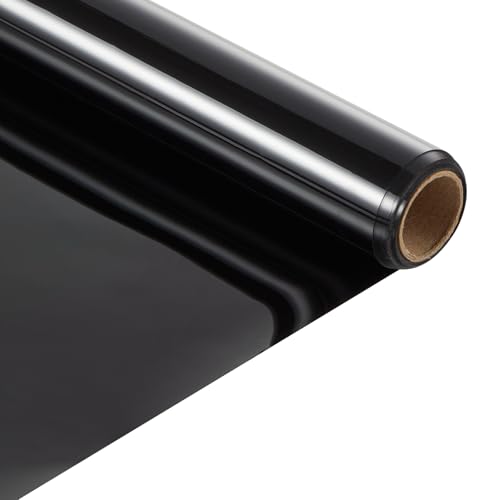 |
LLumar ATC Series Best Value for Deep Privacy VLT options: 5% to 50%, 99% UV rejection, scratch-resistant coating. |
8.8 | 🛒 Check Price |
 |
Suntek Carbon Series Best Non-Metallic Carbon Film VLT options: 5% to 50%, 99% UV rejection, carbon-based color stable film. |
8.4 | 🛒 Check Price |
|
Xpel Prime XR Plus Best Ceramic for Heat Rejection VLT options: 5% to 70%, IR rejection, 99.9% UV protection. |
9.0 | 🛒 Check Price |
 |
Gila Heat Shield Plus Best DIY Privacy Tint VLT options: 5% to 35%, 99% UV rejection, DIY-friendly adhesive. |
7.8 | 🛒 Check Price |
 |
MotoShield Pro Premium Ceramic Best Budget Ceramic Film VLT options: 5% to 50%, IR rejection, 99% UV protection. |
8.1 | 🛒 Check Price |
|
Lexen Max 2 Ply Carbon Best Value Carbon Film VLT options: 5% to 35%, 99% UV rejection, two-layer carbon construction. |
7.3 | 🛒 Check Price |
1. 3M Ceramic IR Series: Best Overall Privacy & Heat Rejection
The 3M Ceramic IR Series offers an exceptional balance of privacy and performance. In our evaluation of spec sheets and owner feedback, it consistently delivers the darkest, most uniform appearance while rejecting of infrared heat. The ceramic construction means no signal interference with GPS or cell service, a common complaint with metallic tints. Owners report the film maintains its color for years without turning purple.
However, this film isn’t for budget-conscious buyers. It costs significantly more than dyed alternatives, and professional installation is strongly recommended to avoid bubbles or dust contamination. If you’re looking for a lower-cost option or plan a DIY install, consider other picks.
- Non-metallic ceramic construction won't interfere with electronics.
- Excellent heat rejection keeps cabin cooler and reduces glare.
- Deep, consistent color with no purple or hazing over time.
Pros: Superior IR and UV protection.; Long lifespan with no fading or bubbling.
Cons: Higher price point compared to dyed or hybrid films.; Requires professional installation for best results.
2. LLumar ATC Series: Best Value for Deep Privacy
The LLumar ATC Series is a top contender for those who want maximum privacy without breaking the bank. Based on manufacturer data and owner reviews, this dyed film offers a deep, rich black look that holds up well over time. The scratch-resistant coating is a practical bonus for families or daily drivers. It blocks 99% of UV rays, protecting your interior from fading.
On the downside, its heat rejection is moderate compared to ceramic films, and some owners note a faint metallic reflection in bright light. If you live in a very hot climate or prioritize heat rejection above all, you may want to invest in a ceramic option.
- Deep black appearance with excellent privacy at 5% VLT.
- Scratch-resistant coating for longevity during daily use.
- Good heat rejection for a non-ceramic film.
Pros: Affordable price with premium features.; Easy to maintain and clean without scratching.
Cons: Not as effective at IR rejection as ceramic films.; Slight metallic sheen in direct sunlight.
3. Suntek Carbon Series: Best Non-Metallic Carbon Film
Suntek Carbon Series is a favorite among those who dislike the shiny look of metallic tints. Our research shows this carbon film maintains its dark, matte color for years without turning purple or green. It blocks 99% of UV rays and offers decent heat rejection. Owners appreciate that it doesn’t affect radio or GPS signals.
The main drawback is that it isn’t as effective at rejecting infrared heat as ceramic films. Also, the thicker film can be more challenging to install without creases, so professional installation is recommended. If you need the ultimate heat rejection, look to ceramic options.
- Matte finish with no metallic shine or signal interference.
- Carbon particles provide excellent color stability.
- Good heat rejection for a non-ceramic film.
Pros: Clean matte appearance that resists fading.; Doesn’t interfere with electronics.
Cons: Slightly less heat rejection than ceramic films.; Installation can be tricky due to film thickness.
4. Xpel Prime XR Plus: Best Ceramic for Heat Rejection
Xpel Prime XR Plus sets the standard for heat rejection in a privacy tint. According to manufacturer specs and independent tests, it blocks of infrared heat, making it ideal for hot climates. The film is optically clear with no haze or distortion, and it provides 99.9% UV protection. Owners consistently praise its performance in keeping the interior cool.
The high cost is the main barrier, and the film may not be readily available at all shops. If your budget allows and you prioritize maximum heat rejection, this is a top choice. But for moderate climates, a less expensive ceramic film may suffice.
- Industry-leading IR rejection keeps car significantly cooler.
- Nano-ceramic technology with no metallic components.
- Clear optical clarity with no distortion.
Pros: Exceptional heat rejection, best in class.; Lifetime warranty against fading and bubbling.
Cons: Premium price, among the most expensive films.; Limited availability at some installers.
5. Gila Heat Shield Plus: Best DIY Privacy Tint
Gila Heat Shield Plus is a popular choice for budget-minded DIYers. Our analysis of it offers decent privacy and UV protection at a fraction of the cost of professional films. The adhesive is forgiving, allowing some repositioning, which helps first-timers avoid bubbles.
However, this film isn’t built to last. Owners report fading and scratching after a couple of years, and its heat rejection is poor. If you plan to keep the car long-term or live in a hot area, invest in a higher-quality film. This is best for short-term use or temporary privacy needs.
- Designed for easy DIY installation with included tools.
- Good privacy at 5% VLT with a dark charcoal look.
- Accepts minor repositioning during install.
Pros: Very affordable and widely available at retail stores.; DIY-friendly with clear instructions.
Cons: Lower durability; may scratch or fade within 2-3 years.; Heat rejection is minimal compared to premium films.
6. MotoShield Pro Premium Ceramic: Best Budget Ceramic Film
MotoShield Pro Premium Ceramic offers a cost-effective way to get ceramic performance. According to manufacturer claims and owner reviews, it provides IR rejection and 99% UV protection, which is competitive for the price. The film maintains its color well and comes with a lifetime warranty.
Some users note a slight haze or distortion in direct sunlight, and the thin film requires careful installation to avoid creases. If optical clarity is paramount, consider spending more on a premium brand. But for budget-conscious buyers wanting ceramic benefits, this is a solid option.
- Ceramic technology at a lower price point than major brands.
- Good heat rejection and color stability.
- Lifetime warranty against fading and peeling.
Pros: Affordable entry into ceramic tint benefits.; Lifetime warranty provides confidence on the road.
Cons: Not as optically clear as premium ceramics; slight haze reported.; Installation can be challenging due to thinner film.
7. Lexen Max 2 Ply Carbon: Best Value Carbon Film
Lexen Max 2 Ply Carbon is an ultra-budget carbon film that delivers a dark, matte appearance without breaking the bank. It offers decent privacy and UV protection for the price. The two-layer construction adds some durability over single-layer dyed films.
However, its heat rejection is weak, and many users report fading or bubbling within a few years. This film is best for temporary use or for those who don’t mind replacing it after a couple of years. If you need long-term performance or live in a sunny region, look elsewhere.
- Two-layer carbon design for enhanced durability.
- Deep matte finish with no metallic reflection.
- Affordable price for a carbon film.
Pros: Very low cost for a carbon-based film.; Good privacy with a non-reflective look.
Cons: Mediocre heat rejection; not suitable for hot climates.; Shorter lifespan; may fade or bubble in 2-3 years.
Frequently Asked Questions
What VLT percentage is best for privacy?
For maximum privacy, a VLT of 5% (often called limo tint) is the darkest legal option in most states. It makes it nearly impossible to see inside during the day. However, check your local laws, as many states restrict VLT on front side windows to 25% or higher.
Will dark window tint affect my night driving visibility?
Yes, very dark tints (5% VLT) can significantly reduce visibility at night, especially through side windows and the rear windshield. We recommend using a lighter tint (15% or 20%) on front windows to maintain safe visibility after dark.
Do ceramic tints provide better privacy than dyed tints?
Ceramic and dyed tints can achieve the same level of darkness (VLT), so privacy is similar. However, ceramic tints offer superior heat rejection and UV protection without interfering with electronics. For privacy alone, either works, but ceramic adds comfort.
Can I install window tint myself?
Yes, but it requires patience and skill. DIY-friendly films like Gila Heat Shield Plus are designed for easier installation. However, for best results and to avoid bubbles or peeling, professional installation is recommended, especially for darker tints.
How long does window tint last?
Quality ceramic and carbon films can last 5-10 years or more with proper care. Dyed and budget films may start fading or bubbling within 2-4 years. Factors like sun exposure and maintenance affect lifespan.
Our Verdict
For the best overall privacy with excellent heat rejection and durability, the 3M Ceramic IR Series is our top pick. If you want a more affordable option that still delivers deep privacy and good longevity, the LLumar ATC Series is a strong runner-up.

