Selecting the right window tint film for your car involves balancing aesthetics, heat rejection, UV protection, and adherence to local regulations. Our team at MustCarBeast has thoroughly researched and compared many products, evaluating manufacturer specifications, published industry standards, and aggregated owner feedback to identify the top performers in various categories.
In our comprehensive guide, we look at different film technologies, assess their real-world benefits and limitations, and provide an evidence-based ranking to help you make an informed decision for your vehicle’s needs, ensuring comfort, protection, and long-term satisfaction.
| Photo | Product | Score | Buy |
|---|---|---|---|
 |
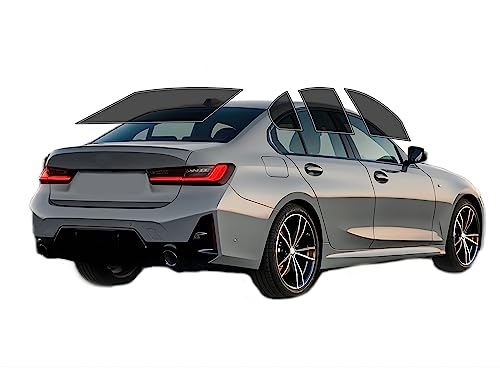
3M Ceramic IR Series Window Film Overall Top Pick Proprietary nano-ceramic technology for superior heat rejection and UV protection. |
9.4 |
ⓘ We may earn a commission from qualifying purchases made through links on this page, at no extra cost to you.
|
 |
Llumar ATC Series Window Film Premium Dyed Film Choice Dyed film construction with excellent color stability and good heat rejection. |
9.0 | 🛒 Check Price |
 |
Motoshield Pro Nano Ceramic Window Tint Value Ceramic Pick Nano ceramic particles for high heat and UV rejection at a competitive value. |
8.8 | 🛒 Check Price |
 |
Lexen 2-Ply Premium Carbon Window Tint Solid Carbon Film Carbon particle infusion for stable color and good heat rejection. |
8.2 | 🛒 Check Price |
 |
Gila Heat Control Platinum Window Film DIY-Friendly Heat Control Metallized construction designed for significant heat and glare reduction. |
7.9 | 🛒 Check Price |
 |
VViViD Dark Black Vinyl Window Tint Film Budget Aesthetic Pick Basic vinyl film primarily for aesthetic darkening and privacy. |
7.7 | 🛒 Check Price |
 |
True Line Automotive Premium Carbon Window Tint Film Entry-Level Carbon 2-Ply carbon construction for a non-fading black and moderate heat rejection. |
7.5 | 🛒 Check Price |
1. 3M Ceramic IR Series Window Film: Overall Top Pick
The 3M Ceramic IR Series consistently stands out for its advanced nano-ceramic technology, delivering superior heat and UV rejection without compromising signal clarity. Based on owner feedback and the spec sheets, its ability to significantly reduce interior temperatures is a key benefit, especially in warmer climates, contributing to a more comfortable cabin and reduced strain on the vehicle’s AC system.
However, the primary limitation of this premium film is its installation complexity. While the film itself offers outstanding performance, achieving a flawless, bubble-free, and long-lasting application typically necessitates professional expertise. DIY enthusiasts or those seeking a budget-friendly option should consider alternatives, as the investment in both the film and professional installation can be substantial.
- Blocks of infrared heat, based on manufacturer specifications.
- Rejects of harmful UV rays, protecting occupants and interior.
- Maintains signal clarity for GPS, cell phones, and satellite radio.
Pros: Exceptional heat rejection capabilities.; Excellent non-metallized construction avoids signal interference.; Impressive durability and color stability based on long-term owner feedback.
Cons: Requires professional installation for optimal results and warranty.; Higher investment compared to non-ceramic alternatives.
2. Llumar ATC Series Window Film: Premium Dyed Film Choice
The Llumar ATC Series earns its strong reputation through a combination of reliable performance and excellent color stability. Our research indicates that its proprietary dye technology effectively prevents purple discoloration or fading, a common complaint with lesser quality dyed films. Owners frequently praise its consistent aesthetic and effective UV protection, which is crucial for preserving interior materials and occupant health.
While the ATC Series provides solid heat rejection, it’s important to manage expectations compared to advanced ceramic films. In extreme heat conditions, vehicles tinted with ATC may still experience noticeable interior warmth compared to those using higher-performing ceramic options. Therefore, if maximum heat reduction is your absolute priority and budget allows, you might consider a ceramic film. However, for a high-quality, long-lasting dyed film, the Llumar ATC remains a top contender.
- Proprietary dye technology for a non-reflective, charcoal appearance.
- Blocks over 99% of UV rays, contributing to skin and interior protection.
- Offers good glare reduction and privacy.
Pros: Consistent, non-fading charcoal color over time.; Good balance of heat rejection, UV protection, and privacy.; Widely available and supported by a strong manufacturer warranty.
Cons: Heat rejection is good but not on par with top-tier ceramics.; Can be challenging for first-time DIY installers.
3. Motoshield Pro Nano Ceramic Window Tint: Value Ceramic Pick
The Motoshield Pro Nano Ceramic Window Tint represents a compelling option for those seeking the benefits of ceramic technology without the premium pricing of some established brands. Our comparison of spec sheets reveals strong heat and UV rejection figures that rival more expensive films, making it a strong choice for enhancing comfort and protecting vehicle interiors. Aggregated owner feedback generally confirms its performance claims, highlighting its effectiveness in reducing cabin temperatures.
A notable limitation, however, is the film’s relative stiffness, which can make it more challenging to work with during installation, particularly on curved windows. While the value proposition is strong for the material itself, inexperienced DIY installers may find the application process frustrating and prone to errors like creases or bubbles. For those who prioritize a smooth, professional finish and aren’t confident in their tinting skills, factoring in professional installation costs or opting for a more pliable film might be a wiser decision.
- Utilizes nano-ceramic particles to block infrared heat and UV rays.
- Claimed 99% UV rejection and IR rejection based on product data.
- Non-metallized construction ensures no interference with electronic signals.
Pros: Offers advanced ceramic benefits at a more accessible value point.; Effective heat and UV rejection performance.; Good optical clarity without signal disruption.
Cons: Installation can be demanding for DIYers, requiring patience.; Some owner feedback suggests a slight learning curve for application.
4. Lexen 2-Ply Premium Carbon Window Tint: Solid Carbon Film
The Lexen 2-Ply Premium Carbon Window Tint provides a significant upgrade over basic dyed films, primarily due to its carbon particle infusion. This technology ensures superior color stability, preventing the common issue of tint fading or turning purple over time, which is a major concern for many vehicle owners. Based on spec sheets and feedback, it also offers a noticeable improvement in heat rejection compared to standard dyed options, contributing to better cabin comfort.
However, the carbon film, while durable, doesn’t reach the same level of infrared heat rejection as dedicated nano-ceramic films. If you reside in an extremely hot climate and seek the absolute maximum reduction in radiant heat, you might find its performance adequate but not exceptional. Individuals prioritizing peak heat rejection for comfort and fuel efficiency should weigh the benefits of a ceramic film against the value offered by this carbon option.
- Infused with carbon particles for a deep, rich black finish that won’t fade.
- Blocks over 99% of UV radiation, according to manufacturer data.
- Offers moderate heat rejection and significant glare reduction.
Pros: Excellent color stability, resistant to fading and purpling.; Good optical clarity and scratch resistance.; More effective heat rejection than traditional dyed films.
Cons: Heat rejection isn’t as high as advanced ceramic films.; Requires careful handling during installation to prevent creasing.
5. Gila Heat Control Platinum Window Film: DIY-Friendly Heat Control
The Gila Heat Control Platinum Window Film is a popular choice for DIY enthusiasts looking for an accessible way to reduce heat and glare in their vehicles. Our research indicates that its metallized construction is quite effective at reflecting solar energy, which translates to a cooler interior and less eye strain during sunny conditions. Owner feedback often highlights its ease of availability and the inclusion of basic tools, making it a straightforward option for those new to tinting.
A significant drawback of metallized films like the Gila Platinum is their potential to interfere with electronic signals. Users have reported issues with GPS, cell phone reception, and even remote keyless entry systems, particularly in vehicles with antennas embedded in the windows. Therefore, drivers who rely heavily on these technologies or have integrated vehicle systems should exercise caution and consider a non-metallized alternative to avoid potential connectivity problems. Its long-term durability is also generally considered less solid than professional-grade films.
- Reflects a high percentage of solar energy, effectively reducing heat gain.
- Provides significant glare reduction for improved driving visibility.
- Designed for easier DIY installation with adhesive technology.
Pros: Very effective at rejecting heat and glare.; Widely available and often comes with DIY installation kits.; Good value for its heat control capabilities.
Cons: Metallized film can interfere with electronic signals.; Less durable than professional-grade films over long periods.
6. VViViD Dark Black Vinyl Window Tint Film: Budget Aesthetic Pick
The VViViD Dark Black Vinyl Window Tint Film is primarily designed for aesthetic enhancement and basic privacy, offering a straightforward way to achieve a darkened window appearance. In our comparison, this film excels in providing a uniform dark look at an accessible value, making it appealing for those whose main goal is to change the visual style of their vehicle. Owner feedback suggests it’s a reasonable option for temporary applications or for users primarily focused on visual modification.
However, it’s crucial to understand that this film offers minimal performance in terms of heat rejection and long-term durability compared to more advanced carbon or ceramic options. Drivers seeking significant heat reduction or sturdy protection against UV degradation for their interior will find this film insufficient. Also, based on aggregated owner experiences, its longevity can be limited, with some reports of bubbling, peeling, or color degradation after extended exposure to sunlight. Those prioritizing performance and durability should definitely skip this option and invest in a higher-grade film.
- Offers a deep, dark black appearance for enhanced privacy and style.
- Provides basic UV protection and glare reduction.
- Often chosen for its accessibility and lower investment.
Pros: Achieves a dark, uniform aesthetic for privacy.; Generally easy to cut and shape for various window sizes.; Very accessible for budget-conscious buyers.
Cons: Limited heat rejection compared to advanced films.; Durability may be shorter, with potential for bubbling or fading over time.
7. True Line Automotive Premium Carbon Window Tint Film: Entry-Level Carbon
The True Line Automotive Premium Carbon Window Tint Film positions itself as an accessible entry into carbon tint technology, aiming to provide better color stability and a step up in performance from basic dyed films. Our evaluation, based on product specifications, confirms its non-metallic, 2-ply construction which is a plus for electronics. It generally delivers on its promise of a stable black color that resists fading, a common issue with cheaper alternatives.
Nevertheless, the film’s heat rejection capabilities are only moderate. While it does offer some improvement over very basic tints, it falls short when compared to the superior thermal performance of advanced ceramic films. Drivers in regions with intense, prolonged heat may find this film insufficient for significantly reducing interior temperatures and relying less on their car’s air conditioning. For maximum heat control and a truly cooler cabin, investing in a higher-grade ceramic film would be a more effective strategy.
- Constructed with 2-ply carbon technology for a stable, non-metallic finish.
- Offers good UV protection, blocking over 99% of harmful rays.
- Provides a darker aesthetic and some level of heat reduction.
Pros: Better color stability than traditional dyed films.; Non-metallic composition avoids signal interference.; More effective than basic films for UV protection.
Cons: Heat rejection is modest, not suitable for extreme climates.; Can be prone to creasing if not handled with care during installation.
Frequently Asked Questions
What is the legal tint limit for cars?
The legal window tint limit varies significantly by state and even by vehicle window. Most states regulate the Visible Light Transmittance (VLT) percentage, which dictates how much light can pass through the tint. It’s crucial to research your specific state’s laws for front side windows, rear side windows, and the rear windshield, as non-compliance can result in fines and require film removal.
What's the difference between ceramic, carbon, and dyed tint?
Dyed tint is the most basic, absorbing solar heat and offering minimal heat rejection, and can fade over time. Carbon tint uses carbon particles to block heat and UV rays, offers better heat rejection than dyed film, and has excellent color stability. Ceramic tint is the most advanced, using nano-ceramic particles to reject a high percentage of infrared heat and UV rays without interfering with electronic signals, providing superior performance and durability.
Can I install window tint myself?
Yes, it’s possible to install window tint yourself, especially with readily available DIY kits. However, achieving a professional, bubble-free, and long-lasting finish requires patience, precision, and specific tools. Many owners report a significant learning curve, and mistakes can lead to bubbles, creases, or peeling. For optimal results and a factory-like finish, professional installation is generally recommended, particularly for complex film types like ceramics.
How long does window tint last?
The lifespan of window tint varies widely based on the film type, quality, and environmental factors. Basic dyed films may show signs of fading, bubbling, or peeling within 1-3 years. Higher-quality carbon films typically last 5-10 years, offering better durability and color stability. Premium ceramic films, with their advanced technology and durable construction, can often last 10 years or more, frequently backed by extensive manufacturer warranties.
Does window tint really reduce interior heat?
Yes, window tint, especially carbon and ceramic films, can significantly reduce interior heat. These films are designed to block or reflect a percentage of solar energy, including infrared (IR) heat and ultraviolet (UV) rays. By reducing the amount of heat entering the cabin, they contribute to a cooler interior, less strain on the air conditioning system, and greater comfort for occupants, particularly in sunny climates.
Our Verdict
Based on our comprehensive research and comparison, the 3M Ceramic IR Series Window Film stands out as the overall top pick for its unparalleled heat rejection, UV protection, and signal-friendly performance. For those seeking a strong balance of performance and value in a ceramic film, the Motoshield Pro Nano Ceramic Window Tint earns our recommendation as a formidable runner-up, offering advanced benefits at a more accessible point.


