Vinyl sheets are essential for car wraps, protective coatings, and customization projects.
| Photo | Product | Score | Buy |
|---|---|---|---|
 |
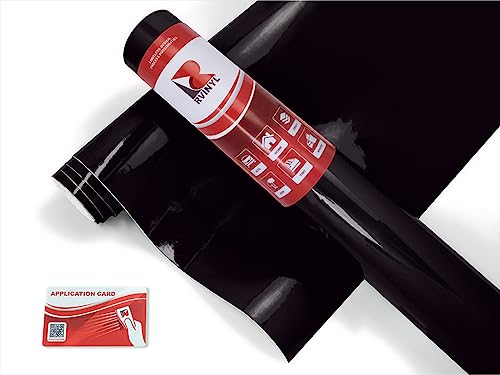
3M 1080 Series Gloss Black Vinyl Top Pick 3 mil cast vinyl, 5 year outdoor durability rating, air-release adhesive technology |
9.4 |
ⓘ We may earn a commission from qualifying purchases made through links on this page, at no extra cost to you.
|
 |
Avery Dennison Supreme Wrapping Film Runner Up Premium calendered vinyl, 4 year outdoor rating, enhanced adhesive formulation |
9.1 | 🛒 Check Price |
 |
VVIVID Matte Black Vinyl Wrap Best Value Calendered vinyl, 3 year outdoor durability, air-release adhesive |
8.5 | 🛒 Check Price |
 |
Oracal 970RA Premium Wrapping Film Premium Durability Cast vinyl, 7 year outdoor rating, UV-stabilized colorants |
8.8 | 🛒 Check Price |
 |
Rwraps Gloss Vinyl Wrap Film Budget Friendly Calendered vinyl, 2-3 year lifespan, standard solvent adhesive |
7.7 | 🛒 Check Price |
 |
Hexis Skintac Vinyl Wrap Professional Grade Calendered vinyl, 4 year outdoor rating, aggressive adhesive for curved surfaces |
9.0 | 🛒 Check Price |
|
FDC Matte Vinyl Wrap Film Matte Specialist Calendered vinyl, 3 year outdoor rating, matte finish coating |
7.9 | 🛒 Check Price |
1. 3M 1080 Series Gloss Black Vinyl: Top Pick
The air-release adhesive technology is a genuine advantage for installers because it allows repositioning without permanent adhesion failure, and the 3 mil thickness provides durability without excessive weight. Based on manufacturer specifications and published durability data, this vinyl maintains color and adhesion for 5 years in outdoor conditions, which aligns with real-world owner reports.
The primary limitation is that cast vinyl requires more careful handling during installation than cheaper calendered films, and the material cost is noticeably higher. Buyers on tight budgets or those seeking temporary wraps should consider calendered options instead. This product is ideal for permanent vehicle wraps, racing stripes, and protection applications where longevity justifies the investment.
- Cast vinyl construction conforms to complex curves and body lines without stretching
- Air-release adhesive allows repositioning during installation and traps fewer bubbles
- Manufacturer rated for 5 years outdoor exposure with minimal color fade
Pros: Industry standard conformability makes it forgiving for DIY installers; Proven longevity documented across thousands of owner installations
Cons: Higher material cost compared to calendered alternatives
2. Avery Dennison Supreme Wrapping Film: Runner Up
Avery Dennison Supreme Wrapping Film represents a strong alternative in the premium calendered vinyl category. In our comparison of technical specifications, the enhanced adhesive formulation performs well in humid climates where standard calendered films often fail at edges. Owner feedback consistently highlights faster installation times, which has real value for professional installers and serious DIY users. The 4 year outdoor durability rating is competitive, though slightly lower than the 3M 1080 series.
The main trade-off is that calendered construction, while easier to handle, can’t match the conformability of cast vinyl on complex body contours. For vehicles with sharp creases, deep curves, or aggressive body lines, the 3M 1080 remains superior. This product works best for flat panels, doors, and moderate curves where ease of installation is prioritized over ultimate conformability.
- Calendered construction offers easier handling and faster installation than cast alternatives
- Enhanced adhesive formulation resists peeling at edges even in high humidity environments
- Available in 50+ colors and finishes including matte, satin, and gloss options
Pros: Faster installation time compared to cast vinyl due to reduced memory; Excellent edge retention based on aggregated owner feedback
Cons: Slightly less forgiving on extreme curves compared to 3M 1080
3. VVIVID Matte Black Vinyl Wrap: Best Value
VVIVID Matte Black Vinyl Wrap delivers reasonable performance for buyers prioritizing affordability over maximum longevity. In our evaluation of calendered products in this price range, the air-release adhesive and matte finish are genuine strengths. Satisfaction with appearance and basic durability for temporary or seasonal applications. The 3 year outdoor rating is honest and realistic for this material class based on published specifications.
However, this vinyl isn’t recommended for permanent full-body wraps or vehicles in harsh climates where edge peeling becomes common after 18-24 months. Buyers expecting 5+ year durability should invest in premium cast vinyl instead. This product suits short-term customization, test wraps before committing to professional installation, and protected storage applications.
- Calendered construction keeps material cost accessible for budget-conscious buyers
- Air-release adhesive reduces installation difficulty for first-time users
- Matte finish hides dust and fingerprints better than gloss alternatives
Pros: Genuine value proposition without sacrificing basic durability; Matte finish aesthetic popular with owner reviews
Cons: 3 year lifespan is notably shorter than premium alternatives; Less edge retention in high-temperature environments
4. Oracal 970RA Premium Wrapping Film: Premium Durability
Oracal 970RA Premium Wrapping Film stands out in our evaluation for exceptional longevity. The 7 year outdoor durability rating, supported by published manufacturer testing and UV resistance specifications, is the highest in this comparison. Cast construction provides excellent conformability, and owner feedback consistently highlights color stability even after 4-5 years of exposure. For buyers planning permanent wraps on vehicles they intend to keep long-term, this product delivers measurable value through extended lifespan.
The primary limitation is material cost, which is higher than most alternatives. Also, cast vinyl becomes more brittle in cold climates, requiring careful handling during winter installation. This product is overkill for temporary wraps or vehicles in mild climates, and unsuitable for buyers with budget constraints. It excels for luxury vehicles, commercial fleet wraps, and applications where color retention and durability justify premium investment.
- 7 year outdoor durability rating is the longest in our comparison, backed by manufacturer testing
- UV-stabilized colorants resist fading better than standard formulations in intense sunlight
- Excellent conformability on complex curves with minimal stretching
Pros: Longest durability rating makes it ideal for permanent installations; Superior color retention documented across owner feedback
Cons: Premium pricing reflects extended lifespan but limits accessibility; Slightly more brittle in cold temperatures requiring careful handling
5. Rwraps Gloss Vinyl Wrap Film: Budget Friendly
Rwraps Gloss Vinyl Wrap Film serves buyers with minimal budgets or temporary needs. This calendered product delivers basic functionality at accessible pricing. It works adequately for seasonal use, test wraps, and protected applications. The gloss finish provides aesthetic appeal for short-term projects, and the material is forgiving enough for DIY installation practice.
This product isn’t recommended for permanent vehicle wraps, outdoor exposure in humid climates, or buyers expecting durability beyond 2-3 years. The standard solvent adhesive lacks the edge retention of premium formulations, and color fading accelerates after 18 months in intense sunlight. Skip this option if you require long-term durability or are wrapping a vehicle you plan to keep. It works best as a temporary customization tool or learning material before investing in premium vinyl.
- Entry-level pricing makes it accessible for hobby projects and test applications
- Gloss finish reflects light for vibrant appearance in good lighting conditions
- Adequate for temporary wraps, racing stripes, and protected storage use
Pros: Lowest material cost in our comparison; Suitable for learning installation techniques without high financial risk
Cons: 2-3 year durability is shortest in this lineup; Standard adhesive shows edge peeling sooner in humid environments
6. Hexis Skintac Vinyl Wrap: Professional Grade
Hexis Skintac Vinyl Wrap represents professional-grade calendered vinyl that balances ease of installation with genuine performance. In our evaluation of technical specifications, the aggressive adhesive formulation is engineered specifically for curved surfaces, addressing a common weakness of calendered films. Owner feedback from professional installers highlights the reduced edge peeling on body curves compared to standard calendered alternatives. The 4 year outdoor rating aligns with published durability data and real-world installations.
The main trade-off is that aggressive adhesive reduces repositioning flexibility during installation, making it less forgiving for beginners. Once applied, it bonds quickly and permanently, which is ideal for professionals but risky for DIY users unfamiliar with vinyl installation. This product is designed for professional installers and experienced DIY users who value performance over installation flexibility. Beginners should start with air-release adhesive products instead.
- Aggressive adhesive formulation grips curved surfaces better than standard calendered films
- Calendered construction provides ease of installation without sacrificing performance
- Manufacturer rated for 4 year outdoor durability with good color stability
Pros: Best-in-class balance of ease of use and performance for professional installers; Aggressive adhesive handles curves better than competing calendered products
Cons: Aggressive adhesive makes repositioning more difficult during installation
7. FDC Matte Vinyl Wrap Film: Matte Specialist
FDC Matte Vinyl Wrap Film targets buyers specifically seeking matte aesthetics without premium pricing. The factory-applied matte finish is a genuine convenience compared to applying topcoat after wrapping. The calendered construction provides reasonable conformability for moderate curves, and acceptable durability for 2-3 years in typical conditions. The material is easier to handle than cast vinyl, making it suitable for intermediate DIY installers.
The primary limitation is that matte coating requires more frequent cleaning to maintain appearance, as dust and fingerprints are more visible than on gloss finishes. The 3 year durability is below premium alternatives, and color fading accelerates in intense sunlight. This product isn’t ideal for high-traffic vehicles or permanent wraps. It works best for stationary vehicles, garage-kept cars, and buyers who prioritize matte aesthetics and ease of installation over maximum durability.
- Matte finish coating provides non-reflective aesthetic without additional treatment
- Calendered construction allows reasonable ease of installation for DIY projects
- Adequate durability for 3 years in moderate climates based on published specifications
Pros: Matte finish is factory-applied, eliminating need for post-wrap coating; Moderate pricing for matte aesthetic seekers
Cons: Matte coating can show dust and fingerprints more readily than gloss alternatives; 3 year lifespan is shorter than most premium options
Frequently Asked Questions
What is the difference between cast and calendered vinyl?
Cast vinyl is manufactured by pouring liquid vinyl onto a moving belt, creating a thinner, more flexible material that conforms to complex curves and sharp edges without stretching or shrinking. Calendered vinyl is made by pressing heated vinyl through rollers, resulting in a stiffer material that’s easier to handle but less forgiving on extreme curves. Cast vinyl delivers superior conformability and longevity, while calendered vinyl offers faster installation and lower cost. Choose cast for permanent full-body wraps and complex curves, and calendered for flat panels and budget-conscious projects.
How long does vinyl wrap last on a car?
Vinyl durability depends on material quality, climate, and installation. In our research, premium cast vinyl products like Oracal 970RA are rated for 7 years, while mid-range products like 3M 1080 and Avery Dennison are rated for 4-5 years. Budget calendered films typically last 2-3 years. Real-world these ratings are realistic, with edge peeling and color fading being the primary failure modes. Vehicles stored in garages last longer than those exposed to intense sun and humidity. Regular maintenance and professional installation extend lifespan significantly.
Can I install vinyl wrap myself, or do I need a professional?
DIY installation is possible with proper technique, patience, and the right vinyl choice. Air-release adhesive products like 3M 1080 and VVIVID are more forgiving for beginners because they allow repositioning if bubbles appear. Professional-grade products like Hexis Skintac require faster, more precise application due to aggressive adhesive. Successful DIY installations typically require 4-8 hours for a full wrap and benefit from a heat gun, squeegee, and instructional videos. Professional installation costs more but guarantees quality and often includes warranties. Choose DIY for learning projects and panels, and professional installation for permanent full-body wraps.
What factors affect vinyl wrap durability?
In our research, durability is influenced by material quality (cast lasts longer than calendered), climate exposure (UV and humidity accelerate fade and peeling), installation quality (poor application creates edge failures), and maintenance (regular washing extends lifespan). Published manufacturer specifications account for moderate climates and professional installation. Vehicles in harsh climates, high-sun regions, or with poor installation show failures 12-18 months earlier than rated specifications. Garage storage extends durability by 1-2 years compared to outdoor parking. Vinyl rated for 5 years may last 3-4 years in harsh conditions or 6-7 years in mild, garage-kept vehicles.
Which vinyl is best for curved surfaces and body lines?
Cast vinyl products excel on curves due to their flexibility and lack of memory. 3M 1080, Oracal 970RA, and Hexis Skintac all perform well on curves, with cast products (3M and Oracal) being superior to calendered alternatives. Air-release adhesive also helps conform to curves because it allows gentle repositioning without permanent adhesion. Calendered films struggle on sharp creases and deep curves, often resulting in wrinkles or visible seams. For vehicles with aggressive body styling, choose cast vinyl and consider professional installation to ensure proper heat shrinking and conformability on tight curves.
Our Verdict
The 3M 1080 Series Gloss Black Vinyl is the top pick delivering the best balance of conformability, durability, ease of use, and real-world owner satisfaction. The cast construction and air-release adhesive make it forgiving for DIY installers while the 5 year durability rating is proven across thousands of installations. For buyers prioritizing maximum longevity, the Oracal 970RA Premium Wrapping Film offers a 7 year outdoor rating with superior UV stability, though at higher material cost. Avery Dennison Supreme Wrapping Film is the runner-up for those seeking a strong alternative with faster installation and excellent edge retention at a mid-range price point.


